
Scorzonera divaricata
IOverview
Overview
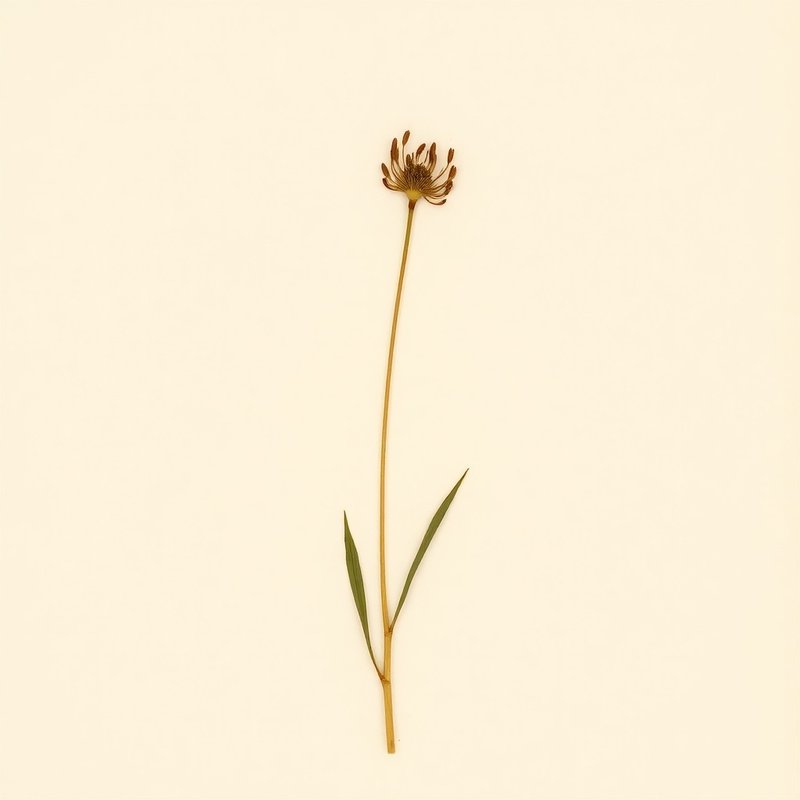
Scorzonera divaricata, known simply as Scorzonera divaricata in English, is a perennial plant belonging to the Asteraceae family. Native to regions such as China North-Central, Inner Mongolia, and Mongolia, this plant also thrives in the West Himalaya. It is well-suited for cultivation in full sun and can adapt to various soil types, including light (sandy), medium, and heavy (clay) soils. Scorzonera divaricata is valued both for its ornamental qualities and as an edible plant. The leaves and roots are edible; the roots, which have a sweet, nutty flavor when cooked, can be used in various dishes, while the leaves can be eaten raw or cooked. This adaptability makes it a versatile addition to gardens and landscapes. The plant's distinctive features include its ability to grow in diverse soil conditions and its ornamental value, making it an attractive choice for gardeners looking for a hardy, multi-purpose perennial. While not traditionally used medicinally, Scorzonera divaricata is safe for consumption when prepared properly. However, as with any edible plant, caution should be exercised, especially if there are concerns about potential allergens or interactions with other medications.
What is Scorzonera divaricata?
Scorzonera divaricata, known simply as Scorzonera divaricata in English, is a perennial plant belonging to the Asteraceae family. Native to regions such as China North-Central, Inner Mongolia, and Mongolia, this plant also thrives in the West Himalaya.
VCultivation
Cultivation
How to grow Scorzonera divaricata for the first time
Skip is a hardy perennial that's easy to grow for beginners, focusing on basic care and patience.
- 1
What you'll need
A packet of Skip seeds or small plants, a trowel, and a watering can.
- 2
Best time to plant
Plant Skip in early spring after the last frost or in late summer for fall harvest.
- 3
Soil and container prep
Choose a location with full sun. Prepare soil that is well-draining, either light (sandy), medium, or heavy (clay).
- 4
Sowing or transplanting
Direct sow seeds 1 inch deep and 6 inches apart. Transplant young plants when they have several sets of leaves.
- 5
First two weeks
Water the Skip plants regularly to help them establish, but avoid overwatering as it prefers dry conditions.
- 6
Ongoing care
Skip thrives in full sun and requires minimal watering once established. Mulch around the base for moisture retention.
- 7
Harvest or pruning
Prune Skip plants to remove dead leaves and roots after harvest, promoting new growth.
- 8
Common mistakes
Overwatering, planting in poorly drained soil, neglecting to mulch, and not providing enough sunlight.
VIEdible & utility
Edible & utility
VIIDistribution
4 native · 0 introduced
Distribution
4 native · 0 introducedIXSpecimen gallery
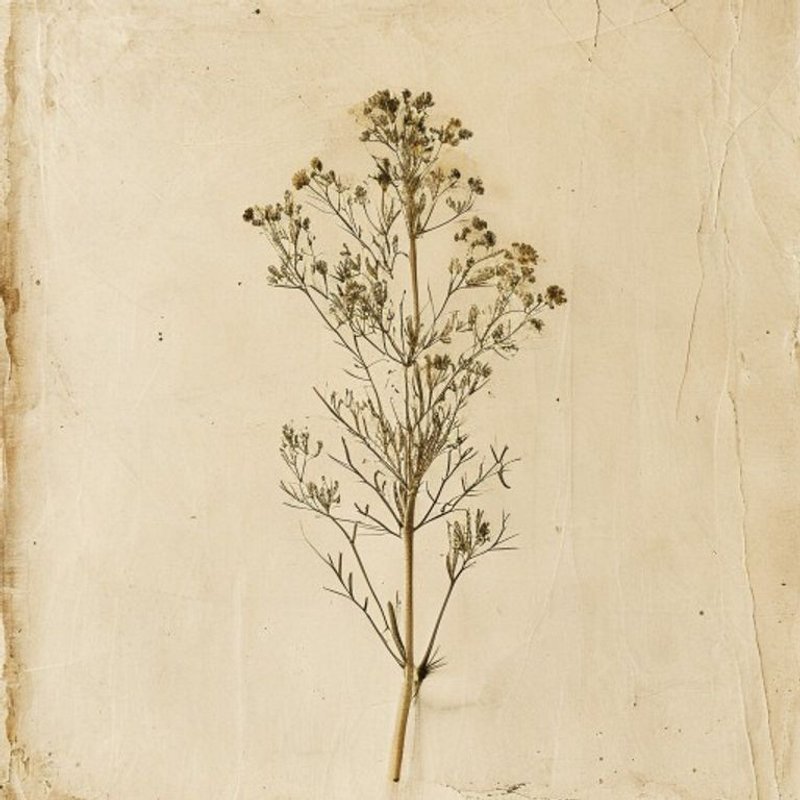
1 image
Specimen gallery
1 imageXSee also
8 related
See also
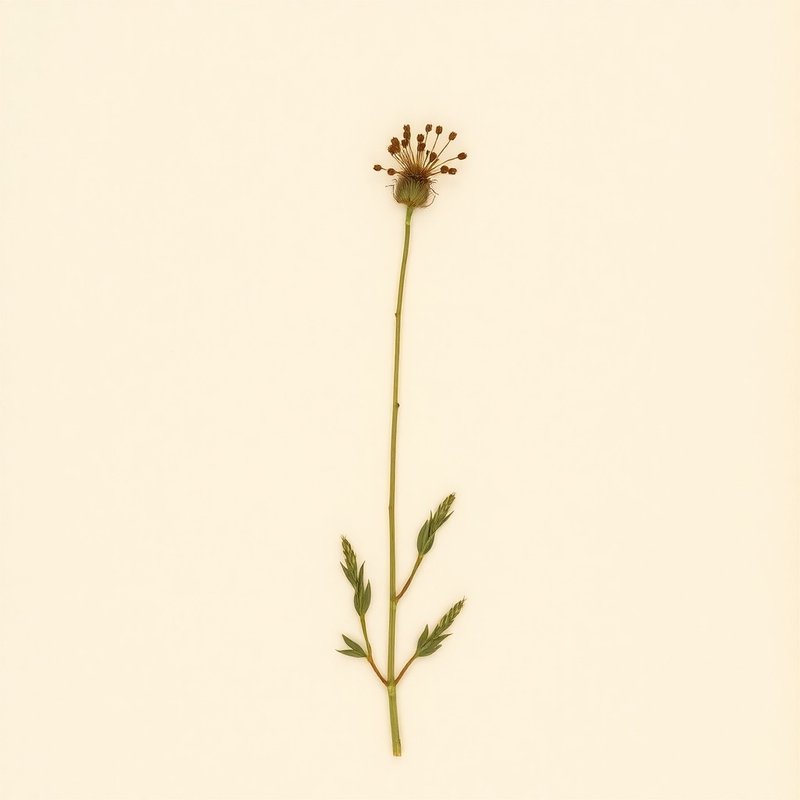
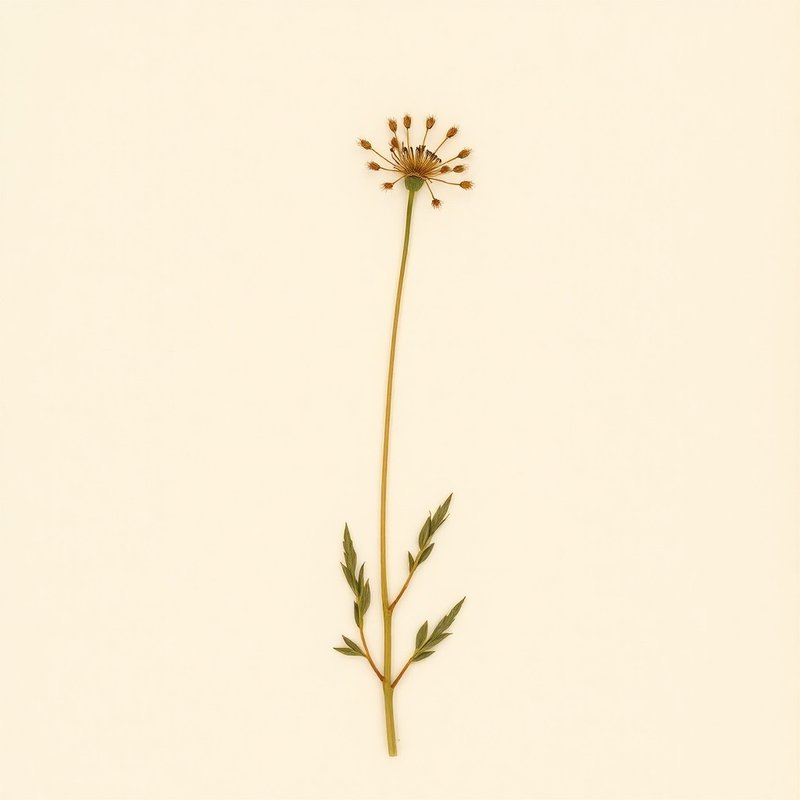
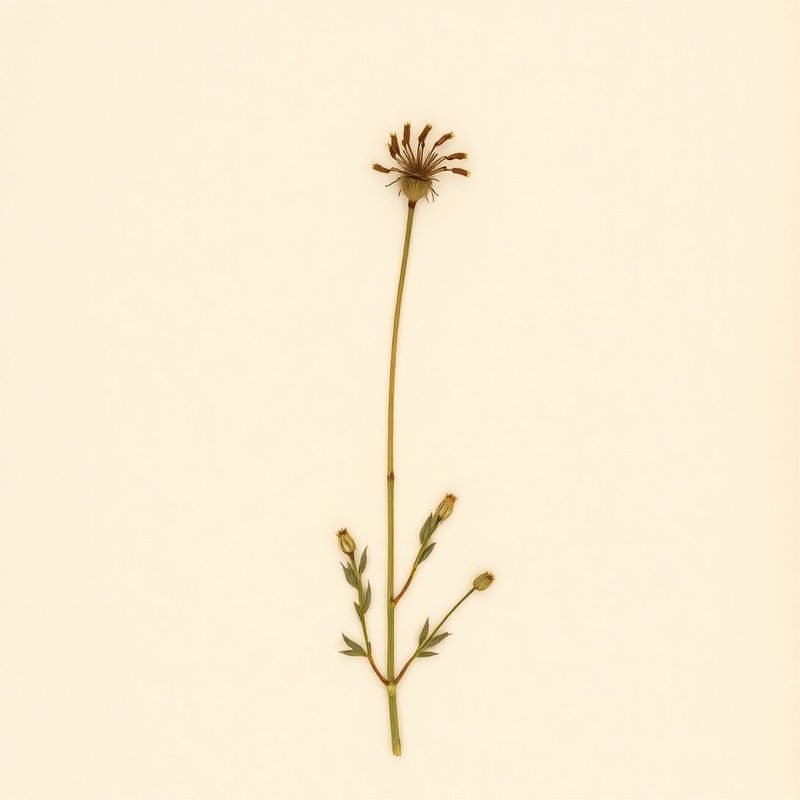
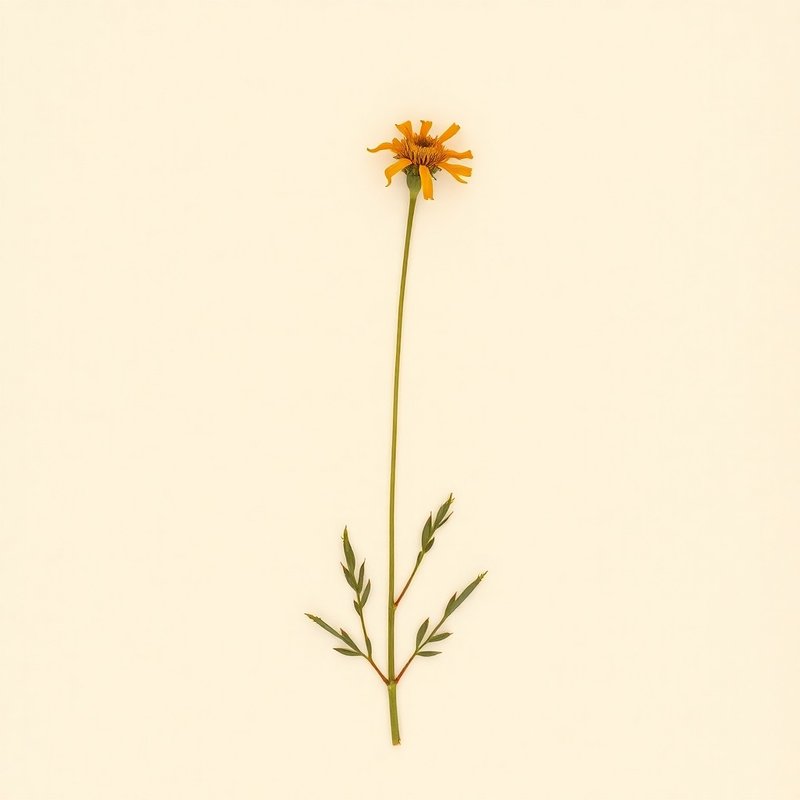
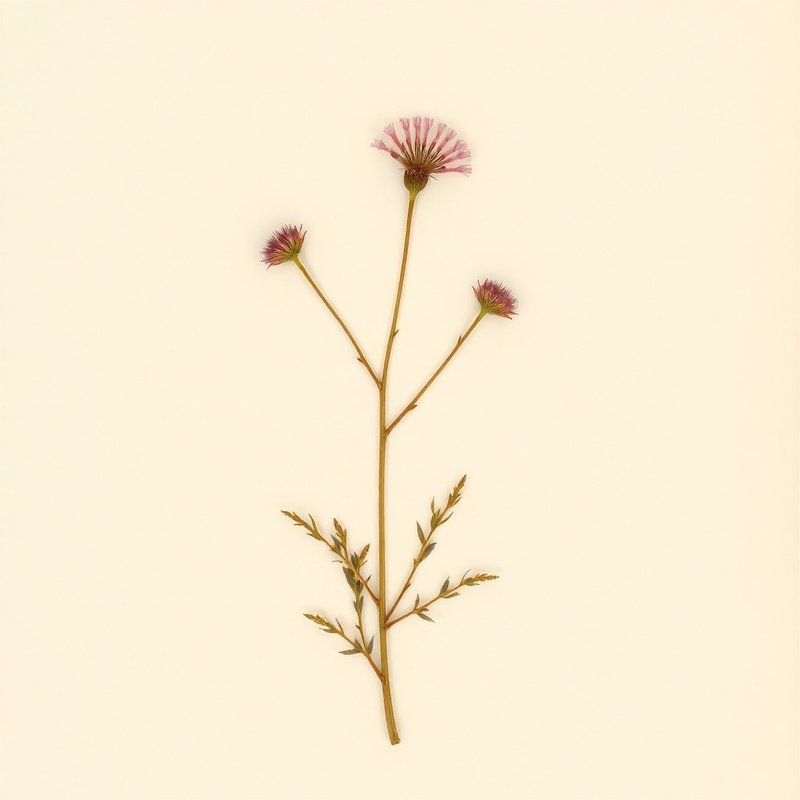
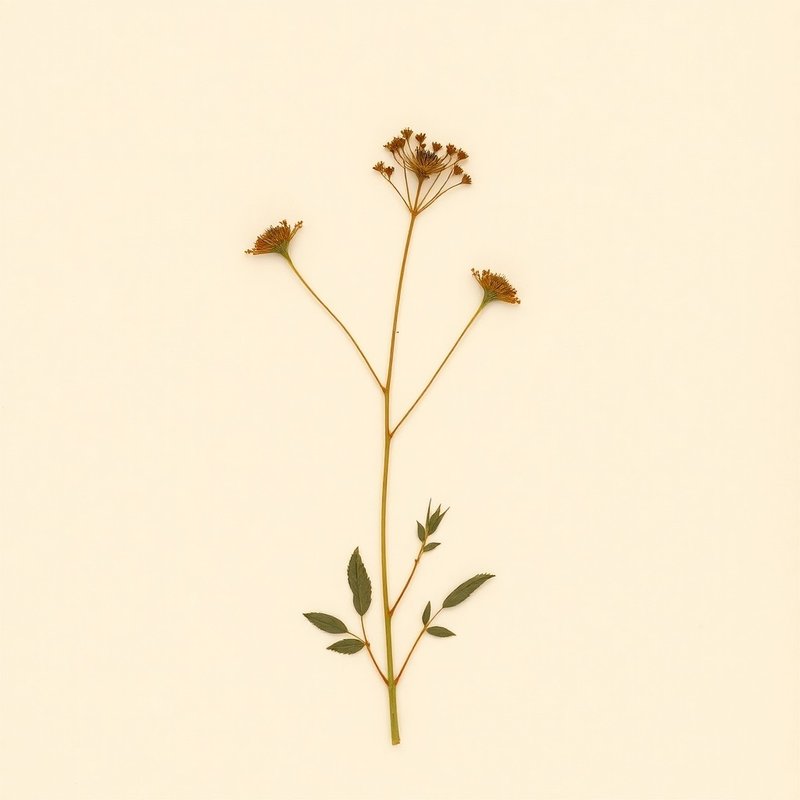
8 relatedPlants you might compare or use together — scored by shared family (Asteraceae), common use cases, and growing requirements.

Explore further
About this entry
- Last updated
- Citation
- How to cite this entry · Submit a correction
Continue reading
Get archive updates
Occasional email when substantial new content lands — plant profiles, seasonal growing notes, folk-remedy additions. Free, no tracking, unsubscribe anytime.