
Over's goosefoot
IOverview
Overview
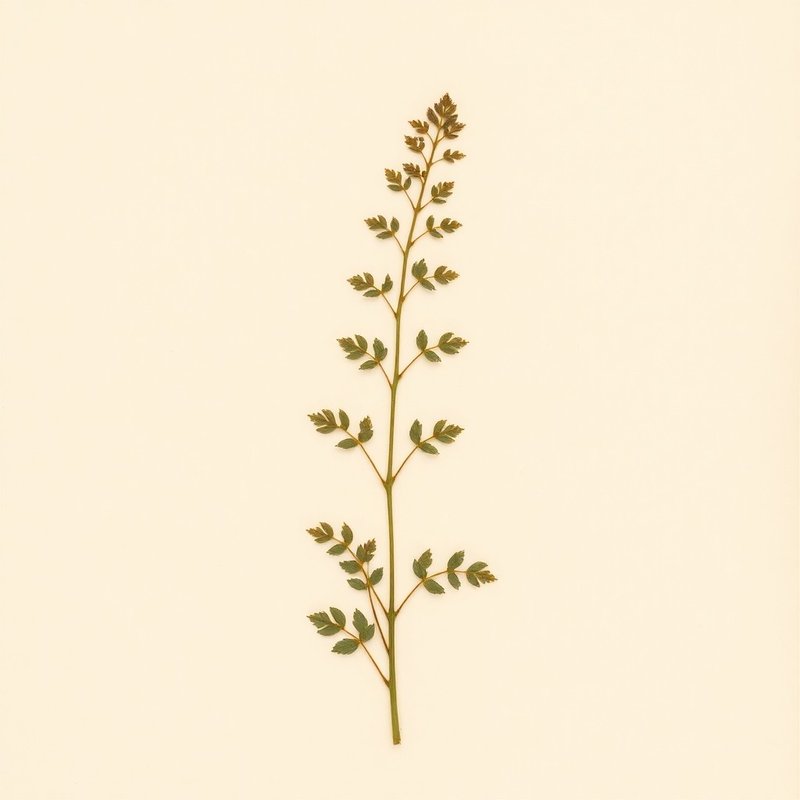
Over's goosefoot, scientifically known as Chenopodium overi, is an annual plant native to the western United States, including Arizona, California, Colorado, Idaho, Montana, Nevada, New Mexico, Oregon, Utah, and Wyoming. This light-loving plant thrives in moist conditions and can be found growing in various soil types—light (sandy), medium, and heavy (clay)—with a maximum height of 0.8 meters. Over's goosefoot is edible, with its leaves, seeds, and fruit being valuable resources for foragers and gardeners. The leaves can be eaten raw in salads or cooked as a vegetable, while the seeds can be harvested and ground into flour for baking. The fruit is typically used fresh or dried for various culinary applications. This plant is adaptable to diverse environments across its native range and has been introduced into British Columbia and Washington, making it a versatile addition to gardens and landscapes in temperate regions. While Over's goosefoot is not known for medicinal properties, its edible parts make it a useful plant for those interested in foraging and sustainable food sources.
What is Over's goosefoot?
Over's goosefoot, scientifically known as Chenopodium overi, is an annual plant native to the western United States, including Arizona, California, Colorado, Idaho, Montana, Nevada, New Mexico, Oregon, Utah, and Wyoming.
VCultivation
Cultivation
How to grow Over's goosefoot for the first time
Start with Over's goosefoot to gain confidence in your gardening skills.
- 1
What you'll need
Seeds, a small trowel, and a watering can.
- 2
Best time to plant
Plant seeds after the last frost in spring.
- 3
Soil and container prep
Choose a spot with full sun. Ensure soil is light (sandy), medium, or heavy (clay) and moist.
- 4
Sowing or transplanting
Direct sow seeds 0.5 inches deep in rows 18-24 inches apart. Thin seedlings to 6-9 inches apart.
- 5
First two weeks
Keep soil consistently moist and protect from extreme heat with light mulch.
- 6
Ongoing care
Water regularly, especially during dry spells. Remove weeds by hand to avoid damaging roots.
- 7
Harvest or pruning
Prune occasionally to encourage bushy growth. Harvest leaves and seeds as needed.
VIEdible & utility
Edible & utility
VIIDistribution
10 native · 2 introduced
Distribution
10 native · 2 introducedIXSpecimen gallery
1 image
Specimen gallery
1 imageExplore further
About this entry
- Last updated
- Citation
- How to cite this entry · Submit a correction
Continue reading
Get archive updates
Occasional email when substantial new content lands — plant profiles, seasonal growing notes, folk-remedy additions. Free, no tracking, unsubscribe anytime.