
Dwarf Golden Chinquapin
Chrysolepis sempervirensfam. Pinaceae
Educational content — not medical, botanical, or professional advice. Plant identification, safety, and edibility depend on local conditions, cultivars, and correct identification. Consult a qualified botanist or forager before consuming or handling wild specimens. How we source & review →
Garden journal pausedUse profile notes below
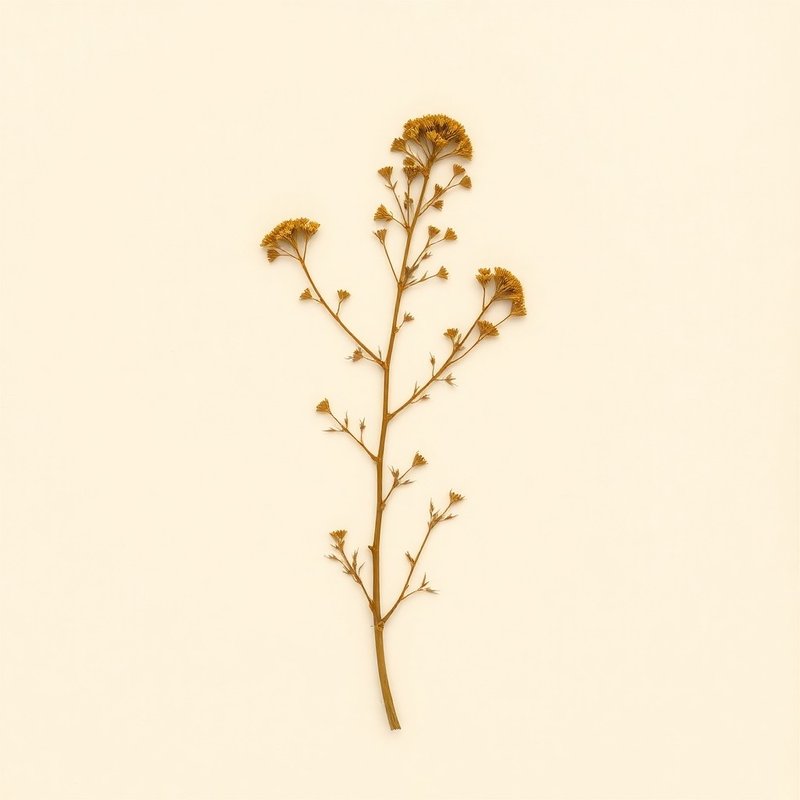
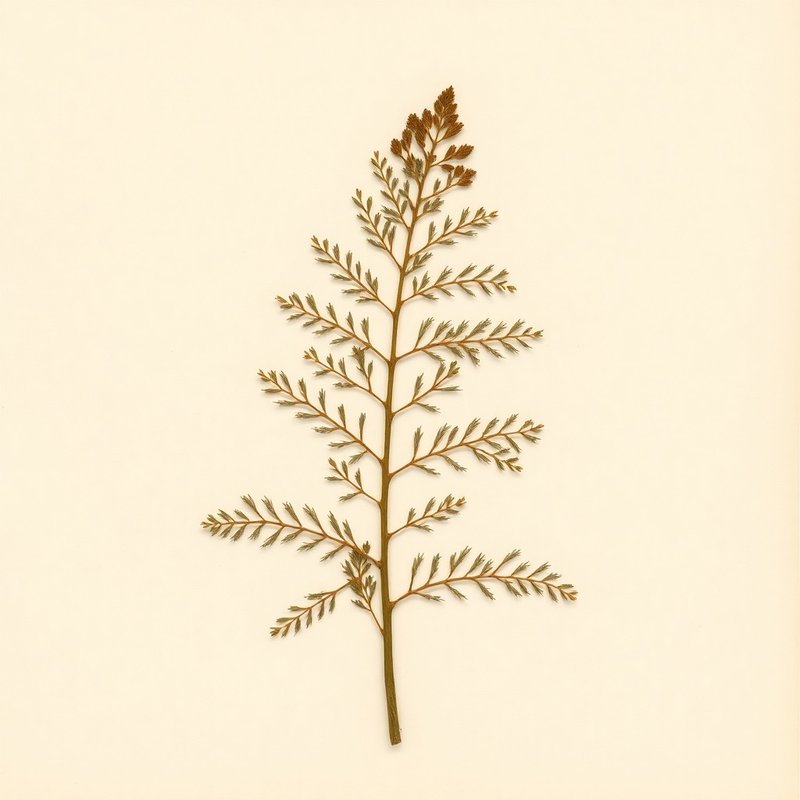
Pl. D019 — Chrysolepis sempervirens
Chrysolepis sempervirensChrysolepis sempervirensChrysolepis sempervirensChrysolepis sempervirensChrysolepis sempervirensChrysolepis sempervirensChrysolepis sempervirensChrysolepis sempervirensChrysolepis sempervirensChrysolepis sempervirensChrysolepis sempervirensChrysolepis sempervirensChrysolepis sempervirensChrysolepis sempervirens
IOverview
Overview
Dwarf Golden Chinquapin (Chrysolepis sempervirens) is a slow-growing, multi-stemmed shrub in the beech family, Fagaceae. It is native to California and Oregon, and it grows best in partial sun to shade. Reaching roughly 3 meters in height, it forms a compact shrub with coarse-textured, green foliage and small green flowers, a combination that gives it quiet ornamental value in mixed plantings. The plant prefers moist but well-draining soil, ranging from light sandy to medium textures, and it grows best at a soil pH between 5 and 7. It is hardy in USDA zones 5 to 9. It is not treated as drought resistant, so consistent moisture is part of its growing context, and its slow growth rate means it establishes gradually rather than filling a space quickly. Dwarf Golden Chinquapin is grown primarily for its edible seeds. The seeds can be eaten raw or roasted, and they are often prepared by removing the seed from the fruit and either eating it directly or drying it for later use. Removing the shell before roasting is described as a way to improve flavor and make the seeds easier to consume. Because it is an edible plant, correct identification matters, and seeds should only be gathered from plants confirmed as Chrysolepis sempervirens. Its combination of edible seeds, adaptable light and soil preferences, and tidy, multi-stemmed form gives it a place in both food-oriented and ornamental gardens.
Quick answers
What is Dwarf Golden Chinquapin?
Dwarf Golden Chinquapin (Chrysolepis sempervirens) is a slow-growing, multi-stemmed shrub in the beech family, Fagaceae. It is native to California and Oregon, and it grows best in partial sun to shade.
Growingconditions · propagation · uses
VCultivation
Cultivation
Dwarf Golden Chinquapin thrives in partial sun to shade and prefers moist, well-draining soils that are light (sandy) or medium-textured. It is hardy in zones 5-9 and can grow up to 3 meters tall as a shrub. Propagate via seed for new plants. Ensure the soil pH remains between 5 and 7 for optimal growth. Skip specific product recommendations, focusing on these basic cultivation needs.
Light
Partial sun/shade
Water
Moist
Soil
Light (sandy), Medium
Hardiness
5-9
Habit
Shrub
Mature size
3.0 m tall
Soil pH
5–7
For first-time growers
How to grow Dwarf Golden Chinquapin for the first time
7steps
Start with a simple planting of Dwarf Golden Chinquapin to experience growing a shrub from seed.
- 1
What you'll need
Seeds, potting mix, small containers or garden space.
- 2
Best time to plant
Plant in spring when the soil is moist and warm enough.
- 3
Soil and container prep
Use a light, well-draining soil. Ensure containers have drainage holes.
- 4
Sowing or transplanting
Sow seeds directly into the ground or start them in small pots.
- 5
First two weeks
Keep the soil moist and provide partial shade to protect from direct sun.
- 6
Ongoing care
Water regularly, especially during dry spells. Avoid overwatering.
- 7
Harvest or pruning
Prune lightly in late winter to maintain shape and remove dead branches.
VIEdible & utility
Edible & utility
Edible parts:Seed
Edible uses: The Dwarf Golden Chinquapin's seeds are edible and can be eaten raw or roasted. They are often prepared by removing the seed from the fruit and then either consuming them directly or drying them for later use. Skip the shell before roasting to enhance flavor and ease of consumption.
Contextrange · companions · related
VIIDistribution
2 native · 0 introduced
Distribution
2 native · 0 introducedDistribution across0 continents· 2 native
Broader regions
native:California, Oregon
IXSpecimen gallery
1 image
Specimen gallery
1 imageXSee also
8 related
See also
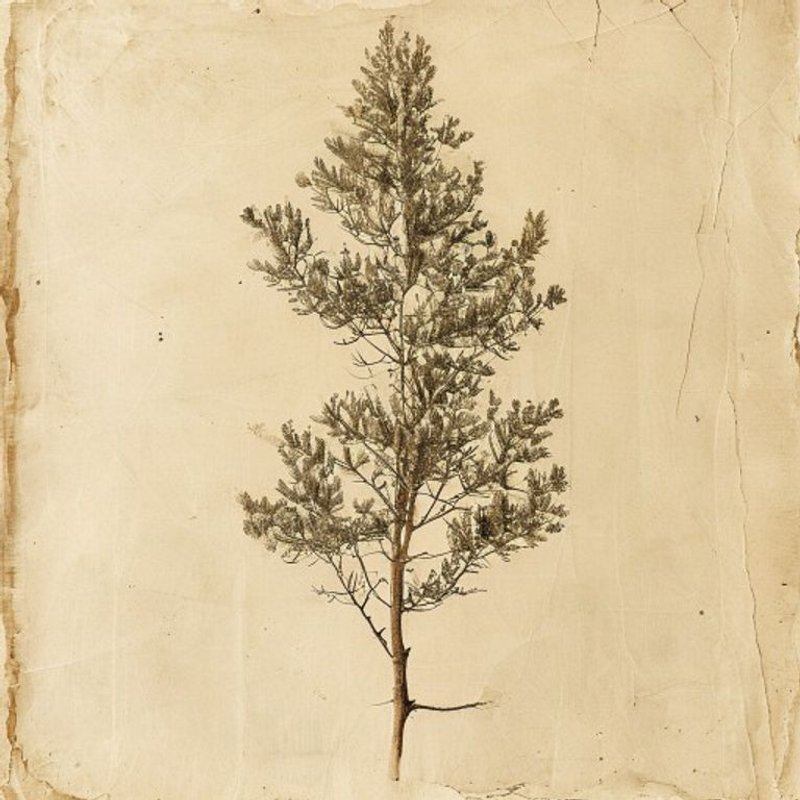
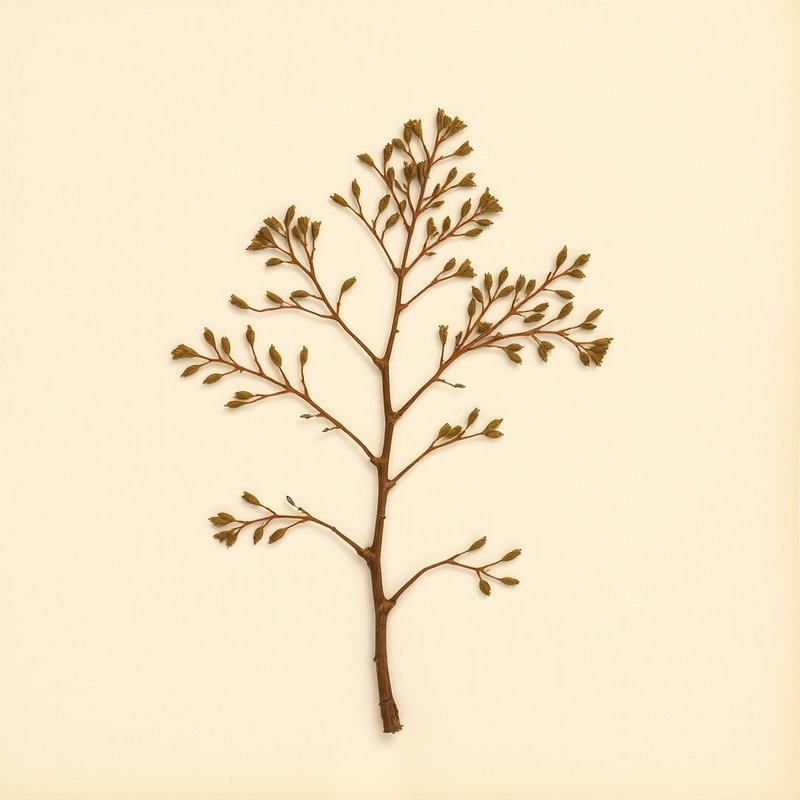
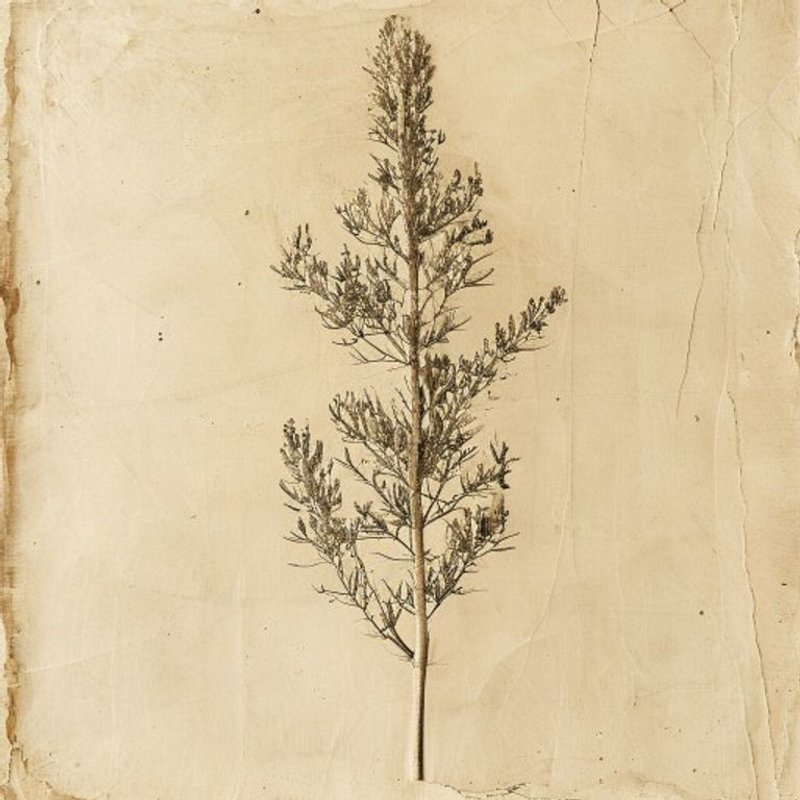
8 relatedPlants you might compare or use together — scored by shared family (Pinaceae), common use cases, and growing requirements.
same family · Pinaceae
Botanical relatives — often share phytochemistry + growing needs.
XI
Explore further
Companion planting
Compare with similar plants
Growing zone
Native to
XII
About this entry
- Last updated
- Citation
- How to cite this entry · Submit a correction
Back to the cataloguePlant id · d019f7bc-18a8-45c7-a9cb-7154336a2a49
Decision aid
Choosing between Dwarf Golden Chinquapin and something else?
Continue reading
❦❦❦❦
Endpaper · archive updates
Get archive updates
Occasional email when substantial new content lands — plant profiles, seasonal growing notes, folk-remedy additions. Free, no tracking, unsubscribe anytime.
Newsletter returning soon.
We are rebuilding the update list around a lightweight editorial workflow. New dispatches will resume after the next content review cycle.