
Mountain Hemlock
Tsuga mertensianafam. Pinaceae
Educational content — not medical, botanical, or professional advice. Plant identification, safety, and edibility depend on local conditions, cultivars, and correct identification. Consult a qualified botanist or forager before consuming or handling wild specimens. How we source & review →
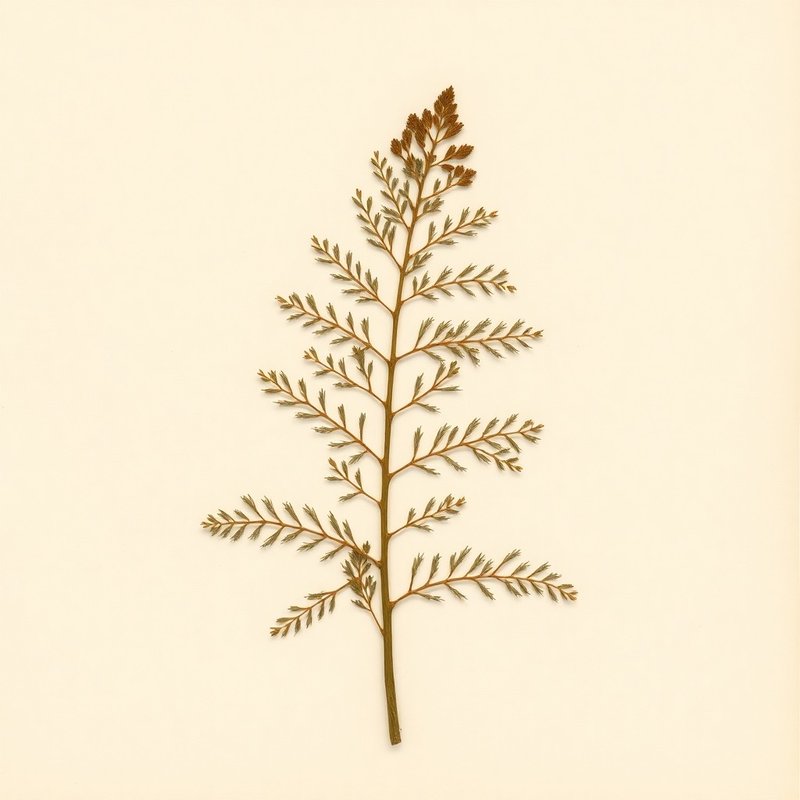
Pl. 0876 — Tsuga mertensiana
Tsuga mertensianaTsuga mertensianaTsuga mertensianaTsuga mertensianaTsuga mertensianaTsuga mertensianaTsuga mertensianaTsuga mertensianaTsuga mertensianaTsuga mertensianaTsuga mertensianaTsuga mertensianaTsuga mertensianaTsuga mertensiana
IOverview
Overview
Mountain Hemlock (Tsuga mertensiana) is a coniferous tree native to the Pacific Northwest and northern California, ranging from Alaska to Washington and Idaho. Known for its ornamental value and edible inner bark and shoots, this tree thrives in moist conditions with light to full shade. It can grow up to 45 meters tall and prefers soil types that are light (sandy), medium, or heavy (clay) with a pH between 4.5 and 7.3. Its adaptability to various habitats makes it a versatile addition to gardens and landscapes in hardiness zones 5-7.
Quick answers
What is Mountain Hemlock?
Mountain Hemlock (Tsuga mertensiana) is a coniferous tree native to the Pacific Northwest and northern California, ranging from Alaska to Washington and Idaho. Known for its ornamental value and edible inner bark and shoots, this tree thrives in moist conditions with light to full shade.
Growingconditions · propagation · uses
VCultivation
Cultivation
Mountain Hemlock thrives in partial sun to full shade and prefers moist, well-draining soil that can be light (sandy), medium, or heavy (clay). It is hardy in zones 5-7 and grows up to 45 meters tall. For cultivation, ensure the soil pH ranges between 4.5 and 7.3 for optimal growth. Harvest edible parts such as inner bark and shoots from this tree, which is native to Alaska, British Columbia, California, Idaho, Montana, Nevada, Oregon, and Washington.
Light
Full sun, Partial sun/shade, Full shade
Water
Moist
Soil
Light (sandy), Medium, Heavy (clay)
Hardiness
5-7
Habit
Tree
Mature size
45.0 m tall
Soil pH
4.5–7.3
For first-time growers
How to grow Mountain Hemlock for the first time
7steps
Start with a simple Mountain Hemlock sapling to ensure success in your first planting attempt.
- 1
What you'll need
A young Mountain Hemlock sapling, well-draining soil, and a large container or garden space.
- 2
Best time to plant
Plant in early spring when the ground is moist but not waterlogged.
- 3
Soil and container prep
Ensure your soil has a pH between 4.5 and 7.3, which can be tested with a home kit or professional service.
- 4
Sowing or transplanting
Transplant the sapling to its permanent location in the garden or a large container.
- 5
First two weeks
Water regularly to keep the soil moist but not soggy, and protect from strong winds during this period.
- 6
Ongoing care
Provide partial shade, especially if your area has intense sunlight. Water when the top inch of soil feels dry.
- 7
Harvest or pruning
Prune in late winter to early spring to maintain shape and remove dead branches.
VIEdible & utility
Edible & utility
Edible parts:Inner barkShoots
Edible uses: Tea
Other uses:DyeHedgerowFragranceResinTanninLumber
Contextrange · companions · related
VIIDistribution
8 native · 2 introduced
Distribution
8 native · 2 introducedDistribution across2 continents· 8 native· 2 introduced
Europe2 regions
introduced (2)NorwaySweden
Americas1 region
native (1)United States
Broader regions
native:British Columbia, California, Idaho, Montana, Nevada, Oregon, Washington
IXSpecimen gallery
1 image
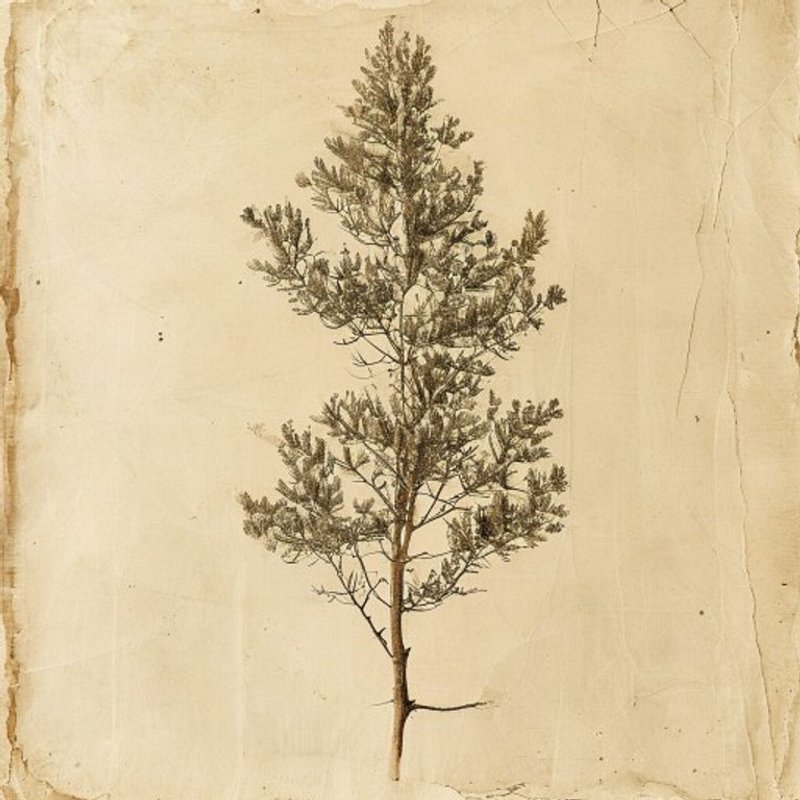
Specimen gallery
1 imageXSee also
8 related
See also
8 relatedPlants you might compare or use together — scored by shared family (Pinaceae), common use cases, and growing requirements.
same family · Pinaceae
Botanical relatives — often share phytochemistry + growing needs.
XI
Explore further
Companion planting
Compare with similar plants
Growing zone
XII
About this entry
- Last updated
- Citation
- How to cite this entry · Submit a correction
Back to the cataloguePlant id · 0876e7f2-b349-4730-a59a-bea71b64a038
Decision aid
Choosing between Mountain Hemlock and something else?
Continue reading
❦❦❦❦
Endpaper · archive updates
Get archive updates
Occasional email when substantial new content lands — plant profiles, seasonal growing notes, folk-remedy additions. Free, no tracking, unsubscribe anytime.