
Chick Pea
Cicer arietinumfam. Fabaceae
Educational content — not medical, botanical, or professional advice. Plant identification, safety, and edibility depend on local conditions, cultivars, and correct identification. Consult a qualified botanist or forager before consuming or handling wild specimens. How we source & review →
Garden journal pausedUse profile notes below
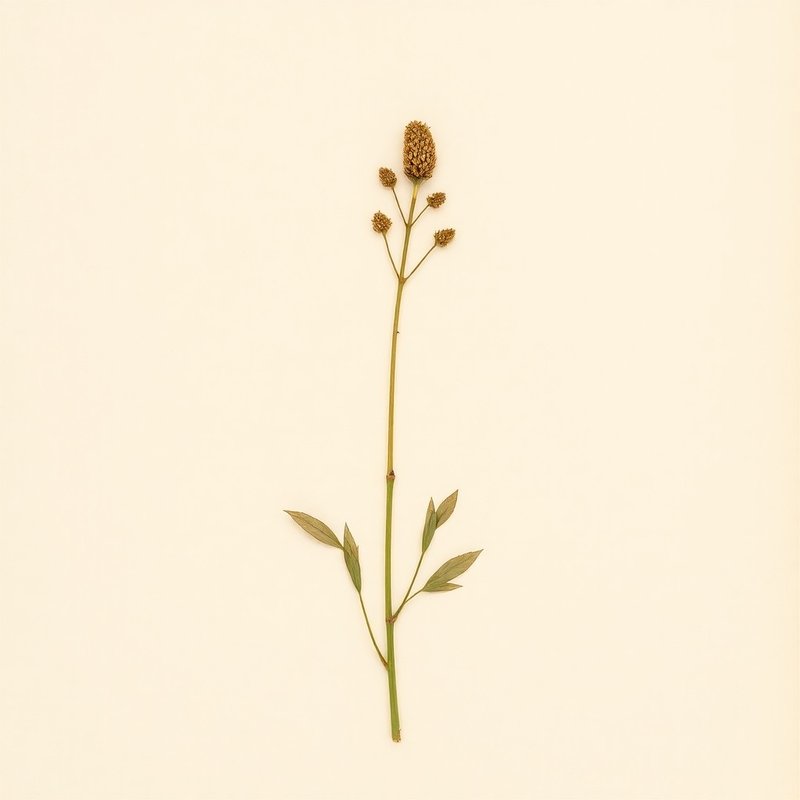
Pl. 65AB — Cicer arietinum
Cicer arietinumCicer arietinumCicer arietinumCicer arietinumCicer arietinumCicer arietinumCicer arietinumCicer arietinumCicer arietinumCicer arietinumCicer arietinumCicer arietinumCicer arietinumCicer arietinum
IOverview
Overview
Chick Pea, scientifically known as *Cicer arietinum*, is an annual plant native to the regions of Iran and Iraq. This legume thrives in full sun and can adapt to both dry and moist conditions, making it versatile for various environments. Growing up to 0.6 meters tall, chick pea prefers light or sandy soil with medium moisture levels, and it is a nitrogen fixer, benefiting other plants grown nearby. The plant is valued for its edible seeds, leaves, and shoots, which are often consumed as part of the diet. Chick Pea has been introduced to many regions, including Afghanistan, Alabama, Algeria, and beyond, expanding its cultivation and use. Its adaptability and nutritional value make it a valuable crop in many agricultural contexts. The plant reaches a height of 0.6 meters and is an annual. Chick Pea can be propagated through seed, which should be sown directly in the garden once the danger of frost has passed. It is hardy in temperate regions and is suitable for gardens where it can grow in a variety of soil conditions. Harvest the leaves, seed, and seedpods for culinary use.
Quick answers
What is Chick Pea?
Chick Pea, scientifically known as *Cicer arietinum*, is an annual plant native to the regions of Iran and Iraq. This legume thrives in full sun and can adapt to both dry and moist conditions, making it versatile for various environments. Growing up to 0.
Growingconditions · propagation · uses
VCultivation
Cultivation
Chick Pea thrives in full sun and prefers well-draining soil that is light (sandy) or medium in texture. It is drought-tolerant but benefits from moist soil during the growing season. The plant reaches a height of 0.6 meters and is an annual. Chick Pea can be propagated through seed, which should be sown directly in the garden once the danger of frost has passed. It is hardy in temperate regions and is suitable for gardens where it can grow in a variety of soil conditions. Harvest the leaves, seed, and seedpods for culinary use.
Light
Full sun
Water
Dry, Moist
Soil
Light (sandy), Medium
Life cycle
Annual
Mature size
0.6 m tall
- Seed viability
- 3-5 years
For first-time growers
How to grow Chick Pea for the first time
7steps
Start with chick peas for a simple and rewarding gardening experience.
- 1
What you'll need
Seeds, small pots or direct planting area, garden tools.
- 2
Best time to plant
Plant in spring after the last frost, when soil is warm.
- 3
Soil and container prep
Choose a sunny spot with well-draining soil. Containers should be at least 30 cm deep.
- 4
Sowing or transplanting
Plant seeds 2-3 cm deep, spaced 15-20 cm apart in rows 60 cm apart.
- 5
First two weeks
Keep soil moist until germination. Thin seedlings to the recommended spacing.
- 6
Ongoing care
Water when dry but avoid overwatering. Provide support for tall plants with stakes or trellises.
- 7
Harvest or pruning
Prune any dead leaves and stems to encourage new growth and prevent disease spread.
VIEdible & utility
Edible & utility
Edible parts:LeavesSeedSeedpodShoots
Edible uses: Coffee, Drink
Other uses:Nitrogen fixer
Contextrange · companions · related
VIIDistribution
2 native · 79 introduced
Distribution
2 native · 79 introducedDistribution across5 continents· 2 native· 79 introduced
Europe11 regions
introduced (11)AustriaBelarusBulgariaCyprusFranceItalyPortugalRussiaSpainUkraineUnited Kingdom
Asia17 regions
native (2)IranIraq
introduced (15)AfghanistanBangladeshChinaIndiaKazakhstanMongoliaMyanmarNepalPakistanSri LankaTaiwanTurkeyTurkmenistanUzbekistanYemen
Americas6 regions
introduced (6)ColombiaCubaDominican RepublicEcuadorPeruPuerto Rico
Africa15 regions
introduced (15)AlgeriaAngolaEgyptEthiopiaKenyaLibyaMauritaniaMauritiusMoroccoSomaliaSudanTanzaniaTunisiaUgandaZimbabwe
Oceania2 regions
introduced (2)FijiNauru
Broader regions
introduced:Alabama, Andaman Is., Baltic States, Czechoslovakia, East Aegean Is., East Himalaya, Jawa, Kirgizstan, Lebanon-Syria, Maryland, Mexico Southwest, New Guinea, New York, Queensland, South Australia, Transcaucasus, Trinidad-Tobago, Vermont, West Himalaya, Zaïre
IXSpecimen gallery
1 image
Specimen gallery
1 imageXSee also
8 related
See also
8 relatedPlants you might compare or use together — scored by shared family (Fabaceae), common use cases, and growing requirements.
same family · Fabaceae
Botanical relatives — often share phytochemistry + growing needs.
XI
Explore further
Companion planting
Compare with similar plants
XII
About this entry
- Last updated
- Citation
- How to cite this entry · Submit a correction
Back to the cataloguePlant id · 65ab575b-2104-48a8-8c08-26dc9b8f613b
Decision aid
Choosing between Chick Pea and something else?
Continue reading
❦❦❦❦
Endpaper · archive updates
Get archive updates
Occasional email when substantial new content lands — plant profiles, seasonal growing notes, folk-remedy additions. Free, no tracking, unsubscribe anytime.
Newsletter returning soon.
We are rebuilding the update list around a lightweight editorial workflow. New dispatches will resume after the next content review cycle.