
Cicer microphyllum
IOverview
Overview
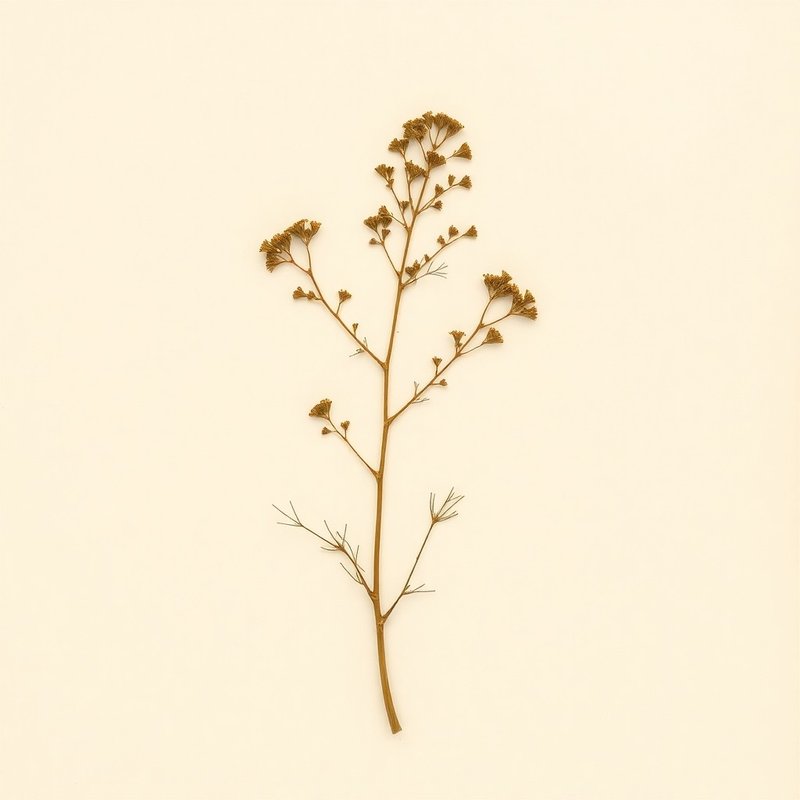
Cicer microphyllum, known as Skip in common parlance, is a perennial legume native to the highlands of Afghanistan, Nepal, Pakistan, Tibet, and the West Himalaya, including Xinjiang. This plant thrives in full sun and can tolerate both dry and moist conditions, thriving best in light (sandy) or medium soil. Standing at about 20 cm tall, Skip is valued for its edible parts, which include leaves, seeds, and shoots. Its adaptability to various habitats makes it a resilient choice for cultivation in diverse environments.
What is Cicer microphyllum?
Cicer microphyllum, known as Skip in common parlance, is a perennial legume native to the highlands of Afghanistan, Nepal, Pakistan, Tibet, and the West Himalaya, including Xinjiang. This plant thrives in full sun and can tolerate both dry and moist conditions, thriving best in light (sandy) or medium soil.
VCultivation
Cultivation
How to grow Cicer microphyllum for the first time
Skip is a low-maintenance perennial that's perfect for beginners looking to try their hand at growing edible plants.
- 1
What you'll need
A small pot, seeds or seedlings, and some basic gardening tools like a trowel.
- 2
Best time to plant
Plant Skip in early spring when the soil is workable and there's no risk of frost.
- 3
Soil and container prep
Use well-draining soil with a mix of light (sandy) and medium textures. Ensure your pot has drainage holes.
- 4
Sowing or transplanting
Direct sow seeds 0.5 inches deep, about 12-18 inches apart. Transplant seedlings when they have two sets of true leaves.
- 5
First two weeks
Water sparingly to keep the soil moist but not soggy. Place in a sunny spot and protect from strong winds.
- 6
Ongoing care
Skip prefers full sun, so ensure it gets at least 6 hours of direct sunlight daily. Water only when the soil feels dry.
- 7
Harvest or pruning
Prune any dead or yellowing leaves to encourage new growth and a healthier plant. Harvest young shoots and leaves as needed.
- 8
Common mistakes
Overwatering, planting in heavy soils, and not providing enough sunlight are common pitfalls for beginners.
VIEdible & utility
Edible & utility
VIIDistribution
6 native · 0 introduced
Distribution
6 native · 0 introducedIXSpecimen gallery
1 image
Specimen gallery
1 imageXSee also
8 related
See also
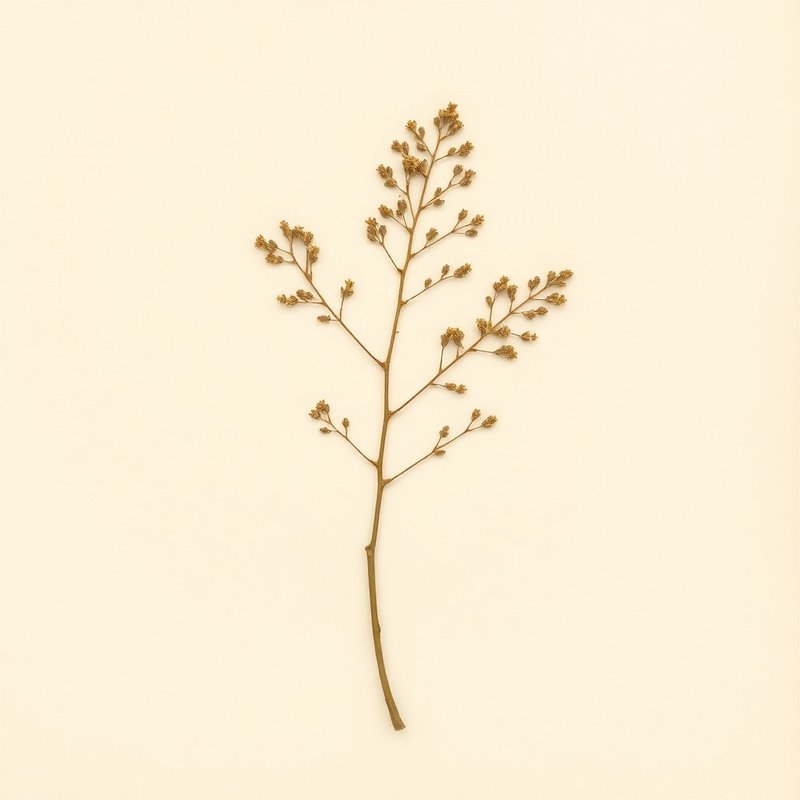
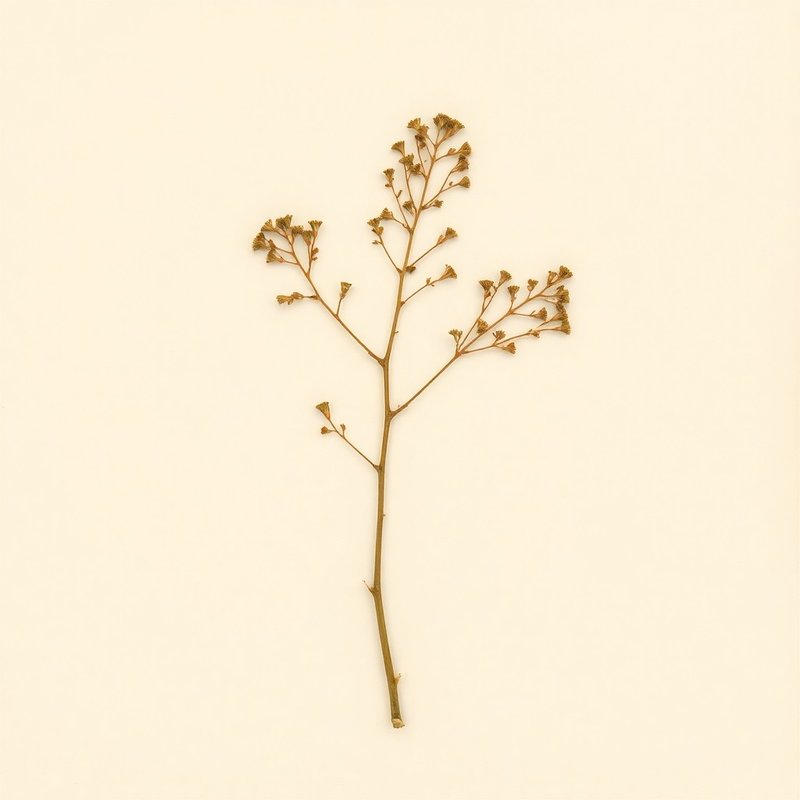
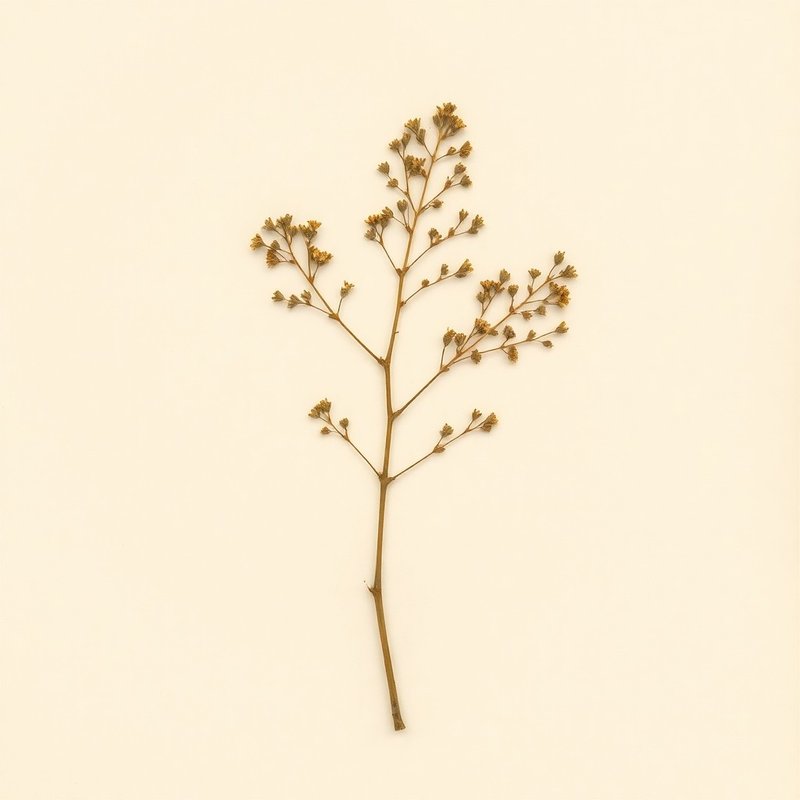
8 relatedPlants you might compare or use together — scored by shared family (Fabaceae), common use cases, and growing requirements.
Explore further
About this entry
- Last updated
- Citation
- How to cite this entry · Submit a correction
Continue reading
Get archive updates
Occasional email when substantial new content lands — plant profiles, seasonal growing notes, folk-remedy additions. Free, no tracking, unsubscribe anytime.