
Cistus ladanifer
Cistus ladaniferfam. Lamiaceae
Educational content — not medical, botanical, or professional advice. Plant identification, safety, and edibility depend on local conditions, cultivars, and correct identification. Consult a qualified botanist or forager before consuming or handling wild specimens. How we source & review →
Garden journal pausedUse profile notes below
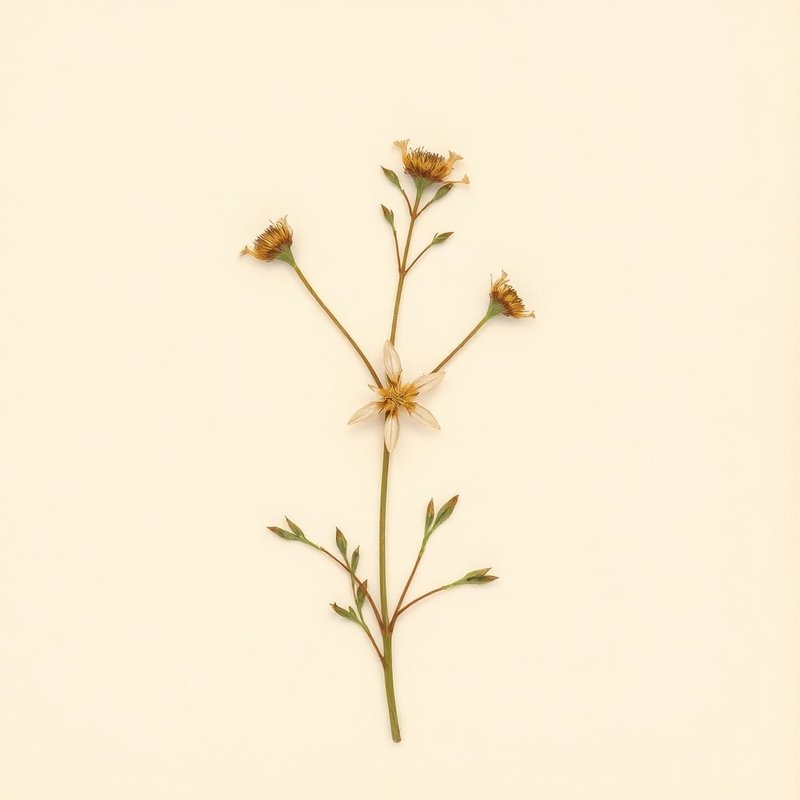
Pl. 6658 — Cistus ladanifer
Cistus ladaniferCistus ladaniferCistus ladaniferCistus ladaniferCistus ladaniferCistus ladaniferCistus ladaniferCistus ladaniferCistus ladaniferCistus ladaniferCistus ladaniferCistus ladaniferCistus ladaniferCistus ladanifer
IOverview
Overview
Cistus ladanifer, commonly known as rock rose, is a shrub native to Algeria, France, Morocco, Portugal, and Spain. Thriving in full sun, it adapts well to both dry and moist conditions, making it suitable for a variety of soil types, including light (sandy) and medium-textured soils. This plant can grow up to 1.5 meters tall and is known for its edible parts, particularly the seeds, which can be used in culinary applications such as condiments and as a source of manna. Rock rose is also valued for its ornamental qualities, featuring vibrant flowers that add color to gardens. Its hardiness ranges from zones 6-9, making it suitable for a variety of climates within this range. The plant is often introduced into California, the Canary Islands, Cyprus, Madeira, and New Zealand South, where it can thrive under similar conditions. While primarily used for its gum and resin, rock rose is also appreciated for its fragrance. Cautious handling is advised due to the potential for skin irritation.
Quick answers
What is Cistus ladanifer?
Cistus ladanifer, commonly known as rock rose, is a shrub native to Algeria, France, Morocco, Portugal, and Spain. Thriving in full sun, it adapts well to both dry and moist conditions, making it suitable for a variety of soil types, including light (sandy) and medium-textured soils.
Growingconditions · propagation · uses
VCultivation
Cultivation
Cistus ladanifer thrives in full sun and prefers well-draining soil that is light (sandy) or medium. It can tolerate dry conditions but also benefits from moist soil during the growing season. This plant is hardy in zones 6-9 and grows to a height of 1.5 meters. For propagation, seeds are the recommended method. Ensure the environment remains sunny and well-drained for optimal growth.
Light
Full sun
Water
Dry, Moist
Soil
Light (sandy), Medium
Hardiness
6-9
Mature size
1.5 m tall
For first-time growers
How to grow Cistus ladanifer for the first time
8steps
Start with Cistus ladanifer for a low-maintenance, sun-loving addition to your garden.
- 1
What you'll need
Seeds or small plants, a trowel, and a watering can.
- 2
Best time to plant
Plant in spring after the last frost or in fall before the first freeze.
- 3
Soil and container prep
Use well-draining soil with sand mixed in. Ensure containers have drainage holes.
- 4
Sowing or transplanting
Direct sow seeds outdoors once the ground is warm, or start them indoors 6-8 weeks before planting outside.
- 5
First two weeks
Water sparingly to avoid rotting. Keep soil moist but not waterlogged.
- 6
Ongoing care
Provide full sun and minimal watering once established. Prune lightly in spring to encourage bushiness.
- 7
Harvest or pruning
Prune in late winter to early spring to maintain shape and remove dead wood.
- 8
Common mistakes
Overwatering, planting in heavy soil, neglecting sun exposure, not providing enough space for growth.
VIEdible & utility
Edible & utility
Edible parts:Seed
Edible uses: Manna, Condiment, Gum
Other uses:GumResinFragrance
Contextrange · companions · related
VIIDistribution
5 native · 5 introduced
Distribution
5 native · 5 introducedDistribution across2 continents· 5 native· 5 introduced
Europe6 regions
native (3)FrancePortugalSpain
introduced (3)CyprusPortugalSpain
Africa2 regions
native (2)AlgeriaMorocco
Broader regions
introduced:California, New Zealand South
IXSpecimen gallery
1 image
Specimen gallery
1 imageXSee also
8 related
See also
8 relatedPlants you might compare or use together — scored by shared family (Lamiaceae), common use cases, and growing requirements.
same family · Lamiaceae
Botanical relatives — often share phytochemistry + growing needs.

XI
Explore further
Companion planting
Compare with similar plants
Growing zone
XII
About this entry
- Last updated
- Citation
- How to cite this entry · Submit a correction
Back to the cataloguePlant id · 66588cfe-8b9d-4db3-b430-5a257d506fd8
Decision aid
Choosing between Cistus ladanifer and something else?
Continue reading
❦❦❦❦
Endpaper · archive updates
Get archive updates
Occasional email when substantial new content lands — plant profiles, seasonal growing notes, folk-remedy additions. Free, no tracking, unsubscribe anytime.
Newsletter returning soon.
We are rebuilding the update list around a lightweight editorial workflow. New dispatches will resume after the next content review cycle.