
Russian Sage
Perovskia atriplicifoliafam. Lamiaceae
Educational content — not medical, botanical, or professional advice. Plant identification, safety, and edibility depend on local conditions, cultivars, and correct identification. Consult a qualified botanist or forager before consuming or handling wild specimens. How we source & review →

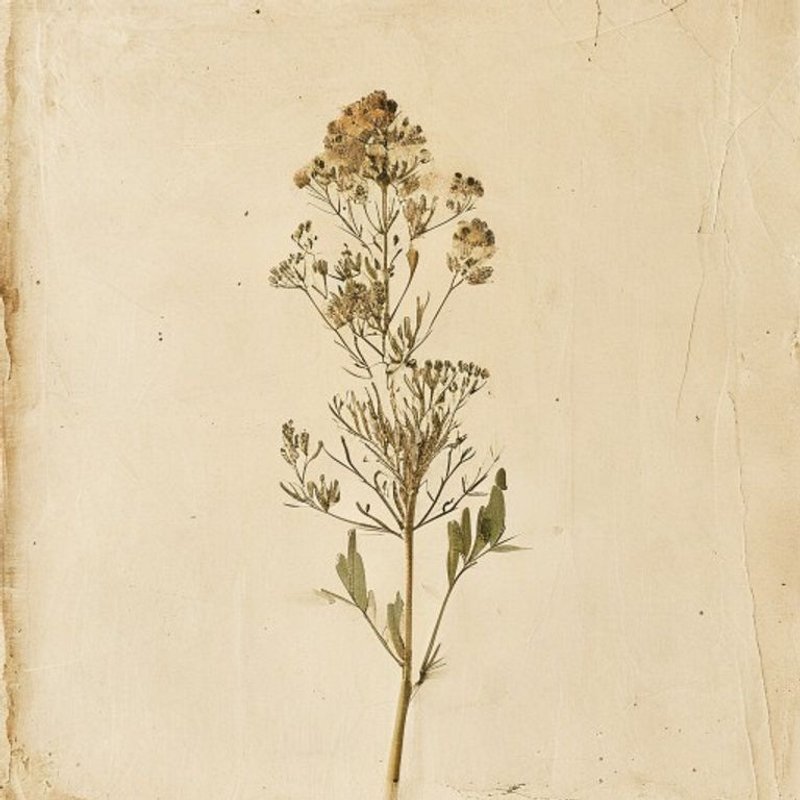
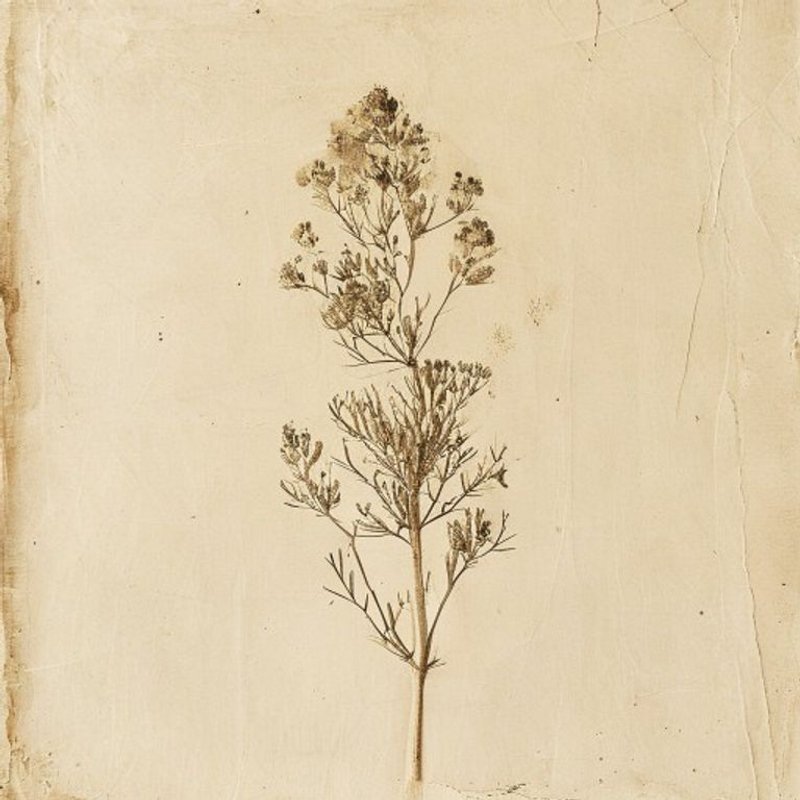
Pl. 5290 — Perovskia atriplicifolia
Perovskia atriplicifoliaPerovskia atriplicifoliaPerovskia atriplicifoliaPerovskia atriplicifoliaPerovskia atriplicifoliaPerovskia atriplicifoliaPerovskia atriplicifoliaPerovskia atriplicifoliaPerovskia atriplicifoliaPerovskia atriplicifoliaPerovskia atriplicifoliaPerovskia atriplicifoliaPerovskia atriplicifoliaPerovskia atriplicifolia
IOverview
Overview
Russian Sage (Perovskia atriplicifolia) is a perennial plant native to Afghanistan, Pakistan, Tibet, West Himalaya, and Xinjiang. It thrives in full sun and prefers dry to moist soil types—light (sandy), medium, or heavy (clay)—making it adaptable but not overly demanding. This ornamental plant reaches heights of 1.5 meters and is known for its distinctive silvery-gray foliage and lavender-blue flowers that bloom from late summer into early fall. Russian Sage is valued both as an attractive garden specimen and as a culinary herb, with its edible parts including the flowers.
Quick answers
What is Russian Sage?
Russian Sage (Perovskia atriplicifolia) is a perennial plant native to Afghanistan, Pakistan, Tibet, West Himalaya, and Xinjiang. It thrives in full sun and prefers dry to moist soil types—light (sandy), medium, or heavy (clay)—making it adaptable but not overly demanding.
Growingconditions · propagation · uses
VCultivation
Cultivation
Russian Sage thrives in full sun and prefers well-drained soil that can be light (sandy), medium, or heavy (clay). It is drought-tolerant but will also grow in moist conditions. This perennial, hardy in zones 5-10, reaches a height of about 1.5 meters. Propagation can occur through division or cuttings. Harvest the flowers for culinary use.
Light
Full sun
Water
Dry, Moist
Soil
Light (sandy), Medium, Heavy (clay)
Hardiness
5-10
Life cycle
Perennial
Mature size
1.5 m tall
For first-time growers
How to grow Russian Sage for the first time
8steps
Start with Russian Sage by ensuring you have the right conditions and care, making it a manageable project for beginners.
- 1
What you'll need
A small shovel, garden gloves, and some compost.
- 2
Best time to plant
Plant Russian Sage in early spring or late fall when the soil is moist but not waterlogged.
- 3
Soil and container prep
Choose a well-draining spot with light to medium soil. Amend the soil with compost if needed.
- 4
Sowing or transplanting
Transplant young plants from a nursery or sow seeds directly in the garden after all danger of frost has passed.
- 5
First two weeks
Water sparingly to avoid rot. Keep an eye out for pests and diseases.
- 6
Ongoing care
Russian Sage thrives with minimal water once established, but give it a deep watering during prolonged dry spells.
- 7
Harvest or pruning
Prune in early spring to encourage bushy growth. You can also cut back spent flowers for a tidy look.
- 8
Common mistakes
Overwatering, not providing enough sunlight, and neglecting to prune are common pitfalls.
VIEdible & utility
Edible & utility
Edible parts:Flowers
Edible uses: The flowers of Russian Sage are edible and can be used in various ways. They are often picked when fully open and may be dried or used fresh to add a mild, slightly sweet flavor to salads, teas, and infusions. Skip the detailed recipes; focus on these simple uses instead.
Other uses:HedgerowFragrance
Contextrange · companions · related
VIIDistribution
5 native · 1 introduced
Distribution
5 native · 1 introducedDistribution across2 continents· 5 native· 1 introduced
Europe1 region
introduced (1)Germany
Asia3 regions
native (3)AfghanistanChinaPakistan
Broader regions
native:West Himalaya
IXSpecimen gallery
1 image
Specimen gallery
1 imageXSee also
8 related
See also
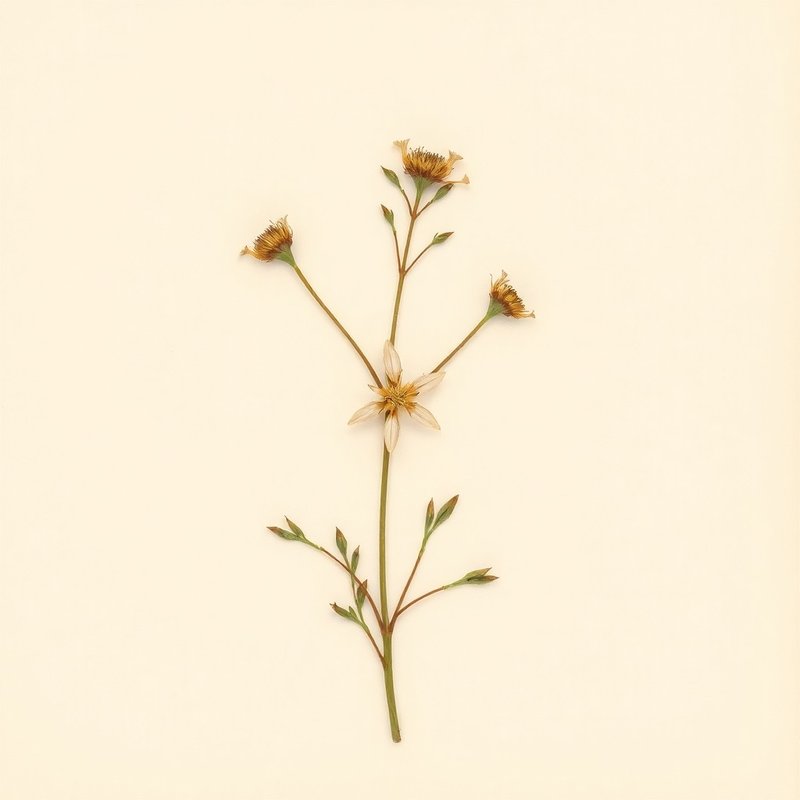
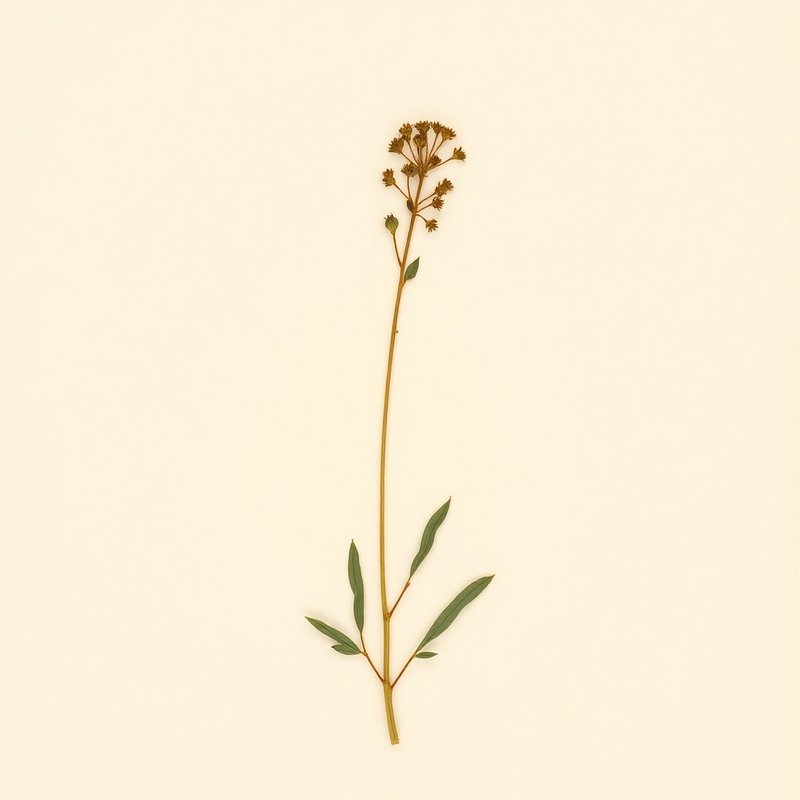
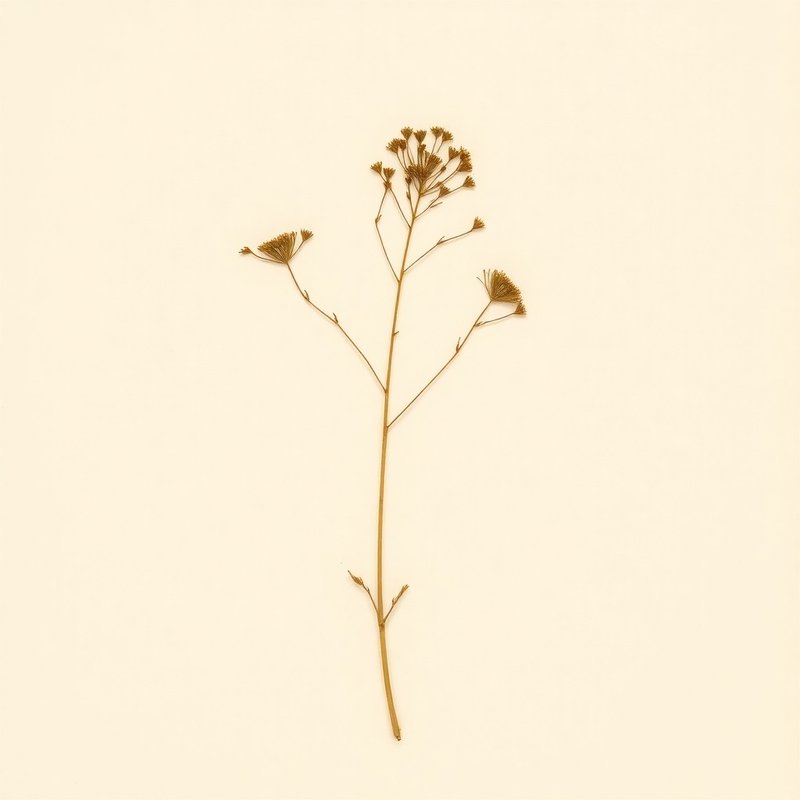
8 relatedPlants you might compare or use together — scored by shared family (Lamiaceae), common use cases, and growing requirements.
same family · Lamiaceae
Botanical relatives — often share phytochemistry + growing needs.

XI
Explore further
Companion planting
Compare with similar plants
Growing zone
XII
About this entry
- Last updated
- Citation
- How to cite this entry · Submit a correction
Back to the cataloguePlant id · 5290fb47-0374-4203-8cfd-a08bc8f558af
Decision aid
Choosing between Russian Sage and something else?
Continue reading
❦❦❦❦
Endpaper · archive updates
Get archive updates
Occasional email when substantial new content lands — plant profiles, seasonal growing notes, folk-remedy additions. Free, no tracking, unsubscribe anytime.