
Citrullus colocynthis
Citrullus colocynthis
Educational content — not medical, botanical, or professional advice. Plant identification, safety, and edibility depend on local conditions, cultivars, and correct identification. Consult a qualified botanist or forager before consuming or handling wild specimens. How we source & review →
Garden journal pausedUse profile notes below
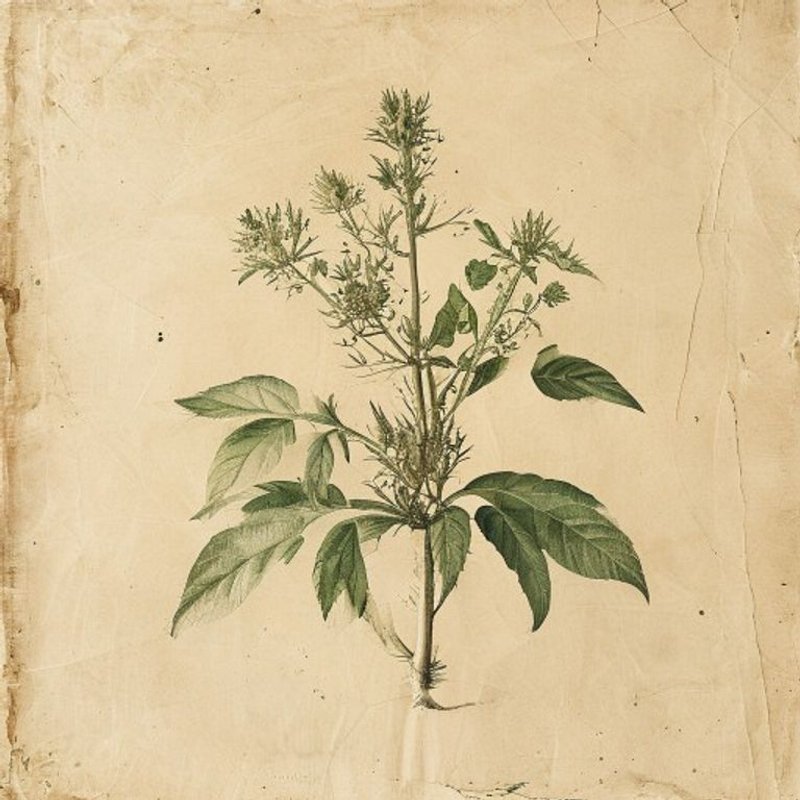
Pl. D535 — Citrullus colocynthis
Citrullus colocynthisCitrullus colocynthisCitrullus colocynthisCitrullus colocynthisCitrullus colocynthisCitrullus colocynthisCitrullus colocynthisCitrullus colocynthisCitrullus colocynthisCitrullus colocynthisCitrullus colocynthisCitrullus colocynthisCitrullus colocynthisCitrullus colocynthis
IOverview
Overview
Citrullus colocynthis, commonly known as bitter apple or bitter gourd, is a perennial vine and herb native to regions such as Afghanistan, Algeria, Bangladesh, Benin, Burkina Faso, and several other countries including Egypt, Ethiopia, Greece, India, Iran, Iraq, Kenya, Lebanon-Syria, Morocco, Pakistan, Saudi Arabia, Somalia, Spain, Sri Lanka, Sudan, Tunisia, Turkey, Turkmenistan, Yemen, and parts of Africa. This plant thrives in full sun and adapts to various soil types, from light sandy to medium, withstanding both dry and moist conditions. It can grow up to 3 meters tall, making it suitable for trellises or other support structures. The bitter apple is known for its edible fruit and seeds, though the fruit's primary use lies in its bitter taste rather than culinary enjoyment. This plant has been cultivated for centuries due to its resilience and adaptability across a wide range of environments, particularly in arid and semi-arid regions. Its ability to thrive in diverse habitats makes it a valuable species for cultivation in areas with similar conditions. While Citrullus colocynthis is primarily grown for its fruit and seeds, the plant's distinctive feature lies in its hardiness and adaptability. It can be found in various introduced regions such as Alabama, Argentina, Bulgaria, California, Hungary, Italy, Romania, South Australia, Texas, and Uzbekistan, among others. The seed weight of 36.65 grams per 1000 seeds further highlights the plant's potential for propagation. Cautiously noting its weed potential, Citrullus colocynthis is a resilient species that can spread quickly in suitable environments, making it important to manage its growth carefully. Its cultivation summary underscores its suitability for regions with full sun and diverse soil conditions, highlighting its value as an ornamental plant or for its edible parts.
Quick answers
What is Citrullus colocynthis?
Citrullus colocynthis, commonly known as bitter apple or bitter gourd, is a perennial vine and herb native to regions such as Afghanistan, Algeria, Bangladesh, Benin, Burkina Faso, and several other countries including Egypt, Ethiopia, Greece, India, Iran, Iraq, Kenya, Lebanon-Sy
Growingconditions · propagation · uses
VCultivation
Cultivation
Citrullus colocynthis thrives in full sun and prefers dry to moist soil types that are light (sandy) or medium. It is hardy in temperate regions with a temperature range of 10-12. This perennial vine can grow up to 3 meters tall, making it suitable for trellises or other support structures. Propagation can be done through seeds. While the plant is native to several countries including Afghanistan and Algeria, it has been naturalized in many others across Africa, Asia, and the Middle East.
Light
Full sun
Water
Dry, Moist
Soil
Light (sandy), Medium
Hardiness
10-12
Life cycle
Perennial
Habit
Vine, Forb/herb
Mature size
3.0 m tall
For first-time growers
How to grow Citrullus colocynthis for the first time
8steps
Start with a simple, sunny spot and basic care for this vine-like plant.
- 1
What you'll need
Seeds or seedlings, potting soil, a container or garden bed.
- 2
Best time to plant
Plant in spring after the last frost when temperatures are consistently above 10°C (50°F).
- 3
Soil and container prep
Use well-draining soil; for containers, choose a pot at least 30 cm (12 inches) wide.
- 4
Sowing or transplanting
Direct sow seeds in the garden after danger of frost is past, or start indoors and transplant later.
- 5
First two weeks
Water regularly to keep soil moist but not waterlogged; avoid overwatering.
- 6
Ongoing care
Provide full sun exposure; water when the top inch of soil feels dry. Fertilize sparingly with a balanced fertilizer.
- 7
Harvest or pruning
Prune vines to maintain shape and remove dead or diseased parts; harvest fruits only if edible, as seeds are not commonly used.
- 8
Common mistakes
Overwatering, planting in heavy soil, neglecting sun exposure, and failing to prune regularly.
VIEdible & utility
Edible & utility
Edible parts:FruitSeed
Edible uses: Oil
Other uses:oil
Contextrange · companions · related
VIIDistribution
46 native · 23 introduced
Distribution
46 native · 23 introducedDistribution across4 continents· 46 native· 23 introduced
Europe9 regions
native (4)CyprusGreeceItalySpain
introduced (5)BulgariaFranceHungaryItalyRomania
Asia16 regions
native (15)AfghanistanBangladeshIndiaIranIraqKuwaitMyanmarOmanPakistanPalestineSaudi ArabiaSri LankaTurkeyTurkmenistanYemen
introduced (1)Uzbekistan
Americas1 region
introduced (1)Paraguay
Africa21 regions
native (21)AlgeriaBeninBurkina FasoCabo VerdeChadCôte d'IvoireDjiboutiEgyptEritreaEthiopiaKenyaLibyaMaliMauritaniaMoroccoNigerSenegalSomaliaSudanTunisiaWestern Sahara
Broader regions
native:Gulf States, Lebanon-Syria, Sinai, Socotra
introduced:Alabama, Argentina Northeast, Argentina Northwest, California, East Aegean Is., Masachusettes, Massachusetts, New South Wales, Northern Territory, Primorye, Queensland, South Australia, Texas, Transcaucasus, Victoria, Western Australia
IXSpecimen gallery
1 image
Specimen gallery
1 imageXI
Explore further
Companion planting
Growing zone
Native to
XII
About this entry
- Last updated
- Citation
- How to cite this entry · Submit a correction
Back to the cataloguePlant id · d535028a-749c-432b-b0eb-0a3d5f7a9ecb
Decision aid
Choosing between Citrullus colocynthis and something else?
Continue reading
❦❦❦❦
Endpaper · archive updates
Get archive updates
Occasional email when substantial new content lands — plant profiles, seasonal growing notes, folk-remedy additions. Free, no tracking, unsubscribe anytime.
Newsletter returning soon.
We are rebuilding the update list around a lightweight editorial workflow. New dispatches will resume after the next content review cycle.