
Butterfly pea
Clitoria ternateafam. Fabaceae
Educational content — not medical, botanical, or professional advice. Always consult a qualified clinician before using any herbal preparation — especially during pregnancy, breastfeeding, while on medication, or for children. How we source & review →
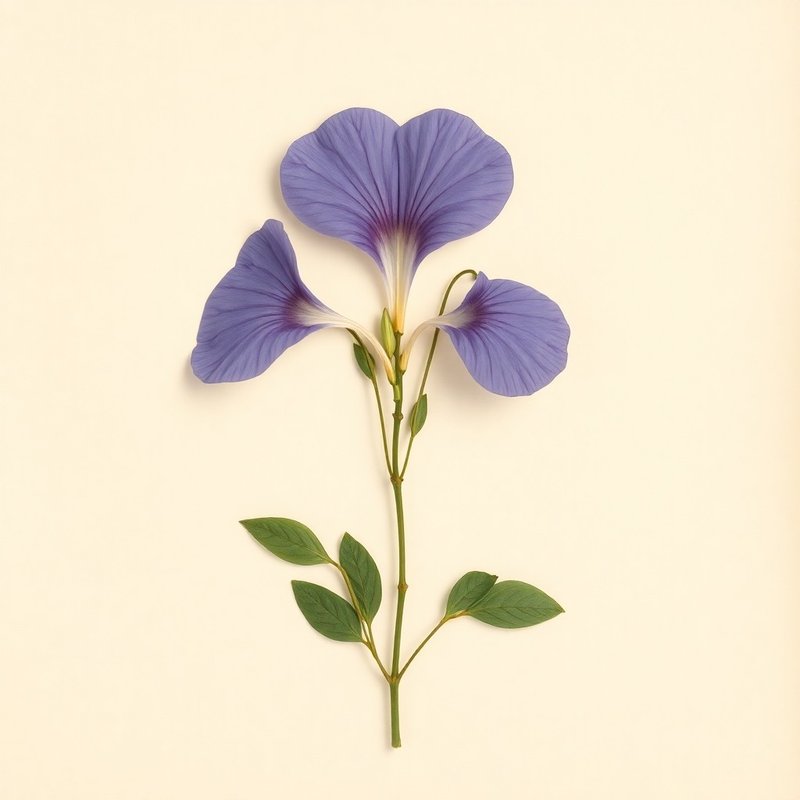
Pl. B1FF — Clitoria ternatea
Clitoria ternateaClitoria ternateaClitoria ternateaClitoria ternateaClitoria ternateaClitoria ternateaClitoria ternateaClitoria ternateaClitoria ternateaClitoria ternateaClitoria ternateaClitoria ternateaClitoria ternateaClitoria ternatea
IOverview
Overview
Butterfly pea (Clitoria ternatea) is a member of the Fabaceae family and is native to regions including Angola, Benin, Burkina Faso, Burundi, Cameroon, Cape Verde, Central African Republic, China South-Central, Ethiopia, Gabon, Gambia, Ghana, Guinea, Guinea-Bissau, Hainan, Kenya, Malawi, Mauritania, Mozambique, Namibia, Nigeria, Senegal, Sierra Leone, Somalia, Sudan, Taiwan, Tanzania, Togo, Uganda, Yemen, Zambia, and Zimbabwe. This plant thrives in full sun and can tolerate both dry and moist conditions, growing well in light (sandy), medium, and heavy (clay) soils with a hardiness range of 10-11. Known for its ornamental value as well as its edible parts, which include flowers, leaves, and seedpods, butterfly pea is also used medicinally. One distinctive feature of this plant is its vibrant blue to purple flowers that attract pollinators such as butterflies, hence the common name.
Quick answers
What is Butterfly pea?
Butterfly pea (Clitoria ternatea) is a member of the Fabaceae family and is native to regions including Angola, Benin, Burkina Faso, Burundi, Cameroon, Cape Verde, Central African Republic, China South-Central, Ethiopia, Gabon, Gambia, Ghana, Guinea, Guinea-Bissau, Hainan, Kenya,
IV·bMixology suggestions
1 draft
Mixology suggestions
1 draftEditorial drafts. These pairings are AI-suggested from traditional herbal lore. Always verify with a qualified herbalist before brewing.
Energizing Focus
focustincture
Used traditionally to enhance mental clarity.
Growingconditions · propagation · uses
VCultivation
Cultivation
Butterfly pea thrives in full sun and can grow up to 3 meters tall. It prefers well-draining soil that is light (sandy), medium, or heavy (clay) but will tolerate dry conditions as well. The plant requires moderate watering; too much moisture may lead to root rot. Hardy in zones 10-11, it is best suited for tropical and subtropical climates. Propagate via seeds or cuttings. Harvest its edible parts—flowers, leaves, and seedpods—for culinary use.
Light
Full sun
Water
Dry, Moist
Soil
Light (sandy), Medium, Heavy (clay)
Hardiness
10-11
Mature size
3.0 m tall
- Seed viability
- 3-5 years
For first-time growers
How to grow Butterfly pea for the first time
8steps
Start with a simple, sunny spot and basic soil to grow Butterfly pea successfully.
- 1
What you'll need
Butterfly pea seeds or seedlings, potting mix, containers or garden space.
- 2
Best time to plant
Plant in spring when the last frost has passed and temperatures are warm.
- 3
Soil and container prep
Use well-draining soil with a pH between 6.0 and 7.5, ensuring containers have drainage holes.
- 4
Sowing or transplanting
Direct sow seeds 1-2 cm deep in the garden or start seedlings indoors before transplanting outside.
- 5
First two weeks
Water regularly to keep soil moist but not waterlogged, and provide light shade if needed.
- 6
Ongoing care
Water when the top inch of soil feels dry, prune for shape, and fertilize lightly every few months.
- 7
Harvest or pruning
Prune regularly to encourage bushy growth and remove dead or damaged parts; harvest flowers and leaves as needed.
- 8
Common mistakes
Overwatering, planting in heavy soil, not providing enough sunlight, neglecting regular pruning.
VIEdible & utility
Edible & utility
Edible parts:FlowersLeavesSeedpod
Edible uses: Butterfly pea flowers, leaves, and seedpods are edible. The flowers can be eaten raw or used to make tea. Leaves are typically eaten fresh in salads or cooked as a vegetable. Seedpods may be consumed after drying or cooking.
Other uses:Animal feed
Contextrange · companions · related
VIIDistribution
30 native · 0 introduced
Distribution
30 native · 0 introducedDistribution across2 continents· 30 native
Asia2 regions
native (2)ChinaSaudi Arabia
Africa22 regions
native (22)AngolaBeninBurkina FasoBurundiCabo VerdeCameroonEritreaEthiopiaGabonGambiaGhanaGuineaKenyaMalawiMauritaniaMozambiqueNamibiaNigeriaSenegalSierra LeoneSomaliaSudan
Broader regions
native:Caprivi Strip, Central African Repu, Gulf of Guinea Is., Hainan, Northern Provinces
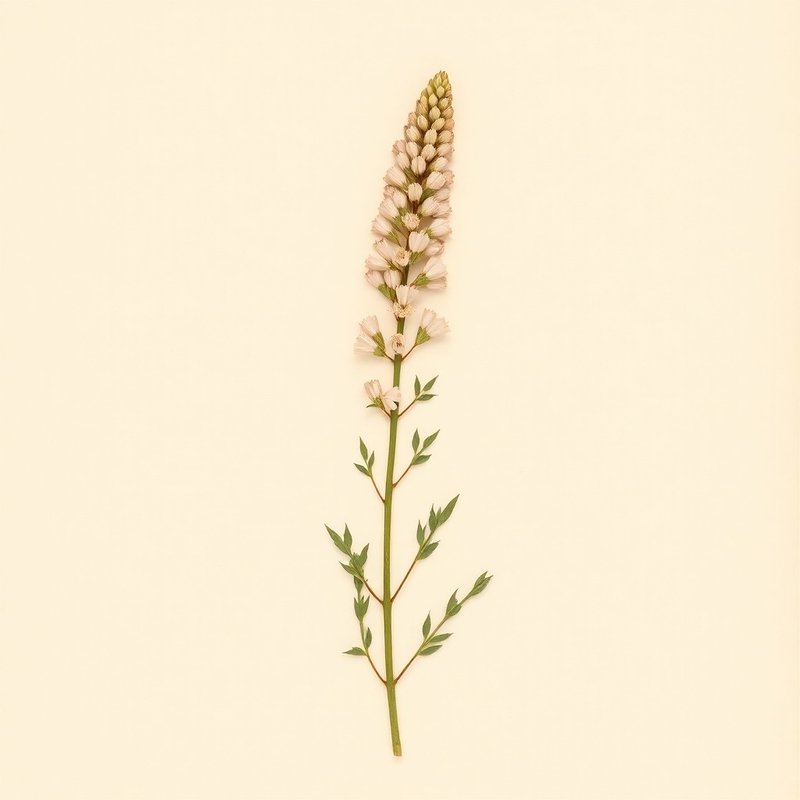
IXSpecimen gallery
1 image
Specimen gallery
1 imageXSee also
8 related
See also
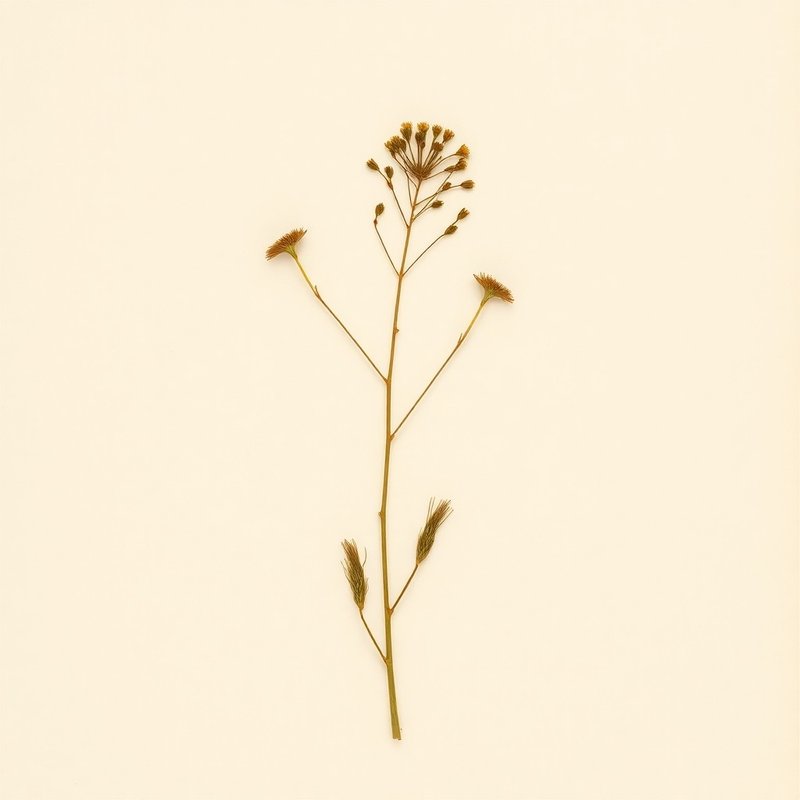
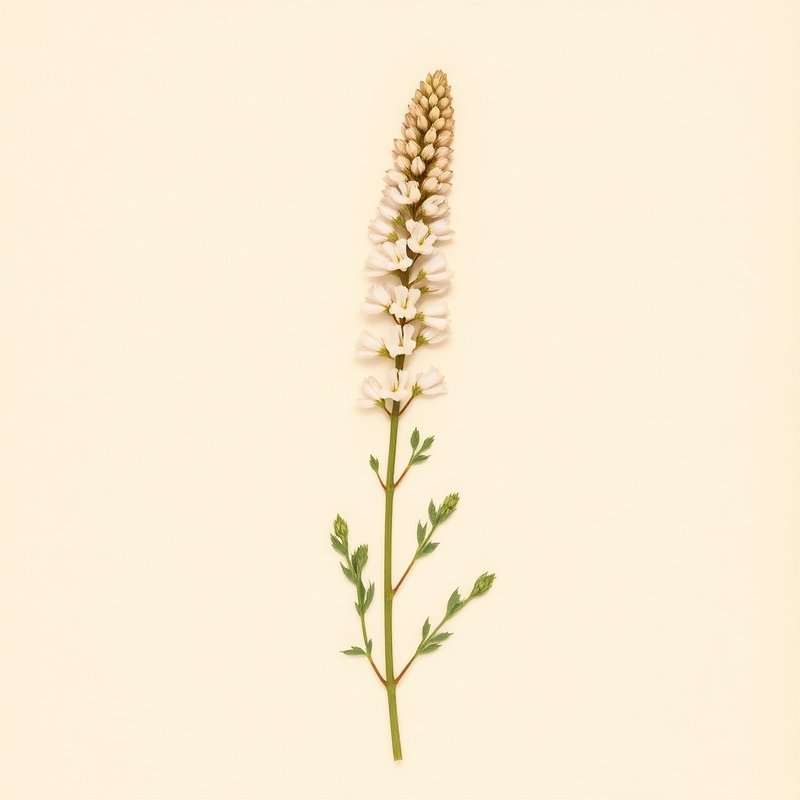
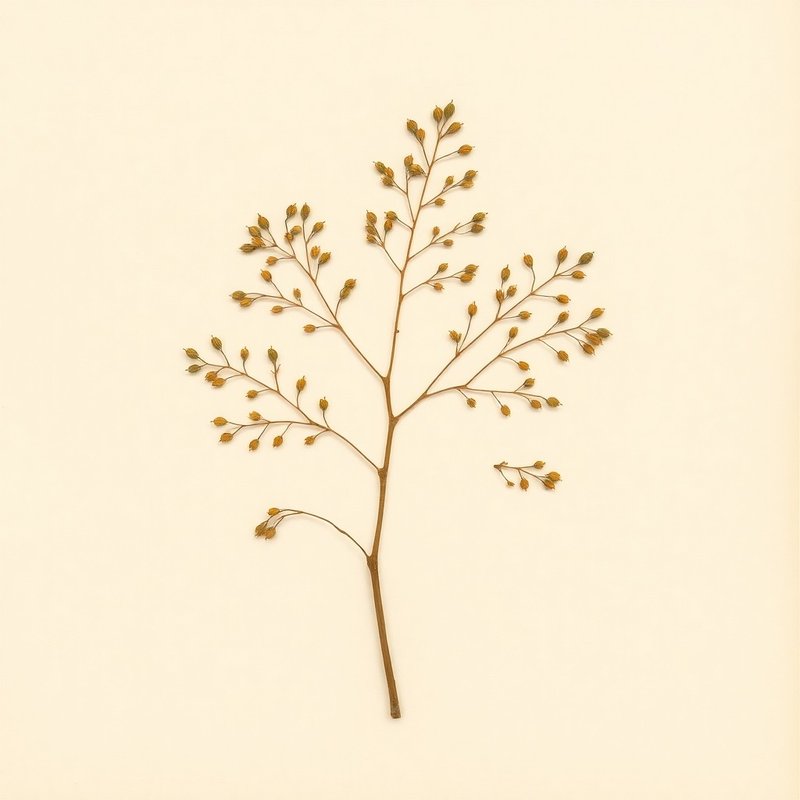
8 relatedPlants you might compare or use together — scored by shared family (Fabaceae), common use cases, and growing requirements.
same family · Fabaceae
Botanical relatives — often share phytochemistry + growing needs.



XI
Explore further
Companion planting
Compare with similar plants
Growing zone
XII
About this entry
- Last updated
- Citation
- How to cite this entry · Submit a correction
Back to the cataloguePlant id · b1ff1791-9e79-4883-b6aa-c00acb4826b4
Decision aid
Choosing between Butterfly pea and something else?
Continue reading
❦❦❦❦
Endpaper · archive updates
Get archive updates
Occasional email when substantial new content lands — plant profiles, seasonal growing notes, folk-remedy additions. Free, no tracking, unsubscribe anytime.