
Borneo Teak
Intsia palembanicafam. Fabaceae
Educational content — not medical, botanical, or professional advice. Always consult a qualified clinician before using any herbal preparation — especially during pregnancy, breastfeeding, while on medication, or for children. How we source & review →
Garden journal pausedUse profile notes below

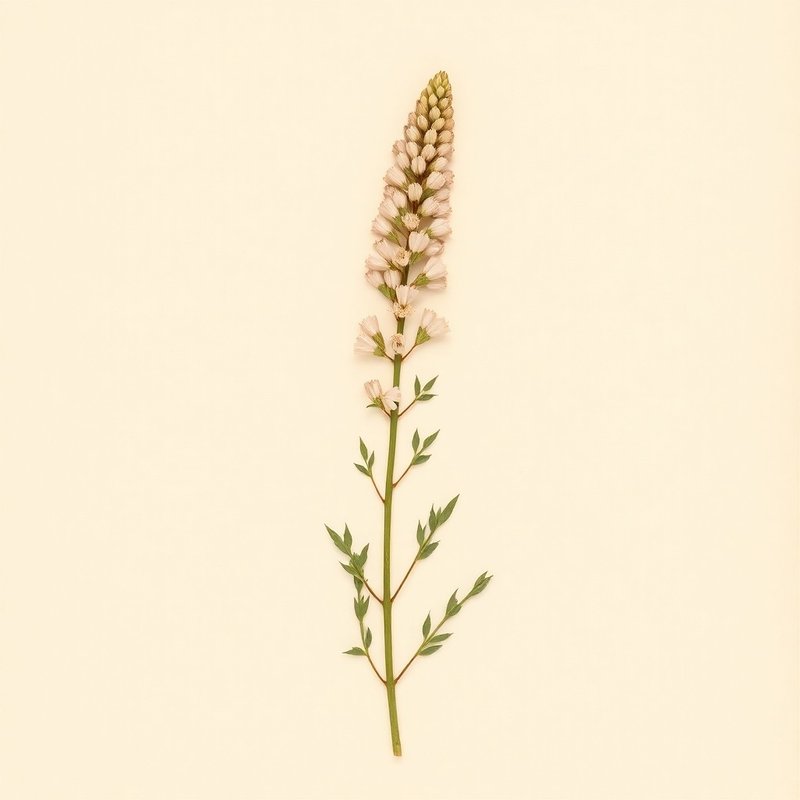
Pl. A496 — Intsia palembanica
Intsia palembanicaIntsia palembanicaIntsia palembanicaIntsia palembanicaIntsia palembanicaIntsia palembanicaIntsia palembanicaIntsia palembanicaIntsia palembanicaIntsia palembanicaIntsia palembanicaIntsia palembanicaIntsia palembanicaIntsia palembanica
IOverview
Overview
Borneo Teak, scientifically known as Intsia palembanica and a member of the Fabaceae family, is a large, tall tree native to Southeast Asia, including regions such as Bangladesh, Borneo, Lesser Sunda Islands, Malaya, Maluku, Myanmar, New Guinea, Sulawesi, Sumatera, and Thailand. This species thrives in full sun with a preference for dry to moist conditions and well-drained soils that are light (sandy) or medium in texture. It can grow up to 80 meters tall, making it one of the tallest trees in its habitat. Borneo Teak is both edible and medicinal; its seeds are used as food, while various parts of the tree have been utilized for their therapeutic properties. The tree's adaptability to diverse environments and its rapid growth contribute to its significance in local ecosystems and economies. It has been introduced to the Andaman Islands, expanding its range. While the tree is not drought-resistant, it is hardy in zones 10-12, making it suitable for tropical climates. For cultivation, seeds are the recommended method. Given its height, ample space should be provided for growth.
Quick answers
What is Borneo Teak?
Borneo Teak, scientifically known as Intsia palembanica and a member of the Fabaceae family, is a large, tall tree native to Southeast Asia, including regions such as Bangladesh, Borneo, Lesser Sunda Islands, Malaya, Maluku, Myanmar, New Guinea, Sulawesi, Sumatera, and Thailand.
IV·bMixology suggestions
1 draft
Mixology suggestions
1 draftEditorial drafts. These pairings are AI-suggested from traditional herbal lore. Always verify with a qualified herbalist before brewing.
Teak and Willow
skindecoction
Historically used for skin conditions.
Growingconditions · propagation · uses
VCultivation
Cultivation
Borneo Teak thrives in full sun and prefers well-draining soil that can be either light (sandy) or medium. It is adaptable to dry conditions but also tolerates moist environments. This tree is hardy in zones 10-12, making it suitable for tropical climates. For propagation, seeds are the recommended method. Given its height of up to 80 meters, ample space should be provided for growth.
Light
Full sun
Water
Dry, Moist
Soil
Light (sandy), Medium
Hardiness
10-12
Mature size
80.0 m tall
For first-time growers
How to grow Borneo Teak for the first time
8steps
Start with a simple Borneo Teak sapling for your beginner garden.
- 1
What you'll need
A Borneo Teak sapling, potting mix, and a large container or well-prepared soil.
- 2
Best time to plant
Plant in spring when the weather is warm and stable.
- 3
Soil and container prep
Use light, sandy soil with good drainage. Ensure your container has adequate holes for water to escape.
- 4
Sowing or transplanting
Transplant the sapling into a larger pot if needed, ensuring it is planted at the same depth as in its original container.
- 5
First two weeks
Water sparingly but regularly. Keep the soil moist but not waterlogged during this period.
- 6
Ongoing care
Provide full sun and avoid overwatering. Fertilize lightly once a year in spring.
- 7
Harvest or pruning
Focus on pruning to maintain shape, as Borneo Teak is not typically harvested for its fruit or leaves.
- 8
Common mistakes
Overwatering, planting too deep, and neglecting sunlight are common issues beginners should avoid.
VIEdible & utility
Edible & utility
Edible parts:Seed
Edible uses: The Borneo Teak's seeds are edible and can be consumed raw or roasted.
Other uses:DyeLumberNitrogen fixer
Contextrange · companions · related
VIIDistribution
10 native · 1 introduced
Distribution
10 native · 1 introducedDistribution across1 continent· 10 native· 1 introduced
Asia3 regions
native (3)BangladeshMyanmarThailand
Broader regions
native:Borneo, Lesser Sunda Is., Malaya, Maluku, New Guinea, Sulawesi, Sumatera
introduced:Andaman Is.
IXSpecimen gallery
1 image
Specimen gallery
1 imageXSee also
8 related
See also
8 relatedPlants you might compare or use together — scored by shared family (Fabaceae), common use cases, and growing requirements.
same family · Fabaceae
Botanical relatives — often share phytochemistry + growing needs.



XI
Explore further
Companion planting
Compare with similar plants
Growing zone
Native to
XII
About this entry
- Last updated
- Citation
- How to cite this entry · Submit a correction
Back to the cataloguePlant id · a496bb46-2942-4ebe-b386-2bd7491bab21
Decision aid
Choosing between Borneo Teak and something else?
Continue reading
❦❦❦❦
Endpaper · archive updates
Get archive updates
Occasional email when substantial new content lands — plant profiles, seasonal growing notes, folk-remedy additions. Free, no tracking, unsubscribe anytime.
Newsletter returning soon.
We are rebuilding the update list around a lightweight editorial workflow. New dispatches will resume after the next content review cycle.