Skip to content
IIIFolio · plant profile№ 0FAAedible
Data provenancePermapeopleTrefleWikipediaPFAFPOWOreviewed 17 Oct 2026methodology → read
Home/Plants/Commelinaceae

Slender Day-Flower

Commelina erectafam. Commelinaceae
Educational content — not medical, botanical, or professional advice. Plant identification, safety, and edibility depend on local conditions, cultivars, and correct identification. Consult a qualified botanist or forager before consuming or handling wild specimens. How we source & review →
edibleperennialedibleedible rootnative amperennialsun loving
Updated·Quick Q&A →
Garden journal pausedUse profile notes below
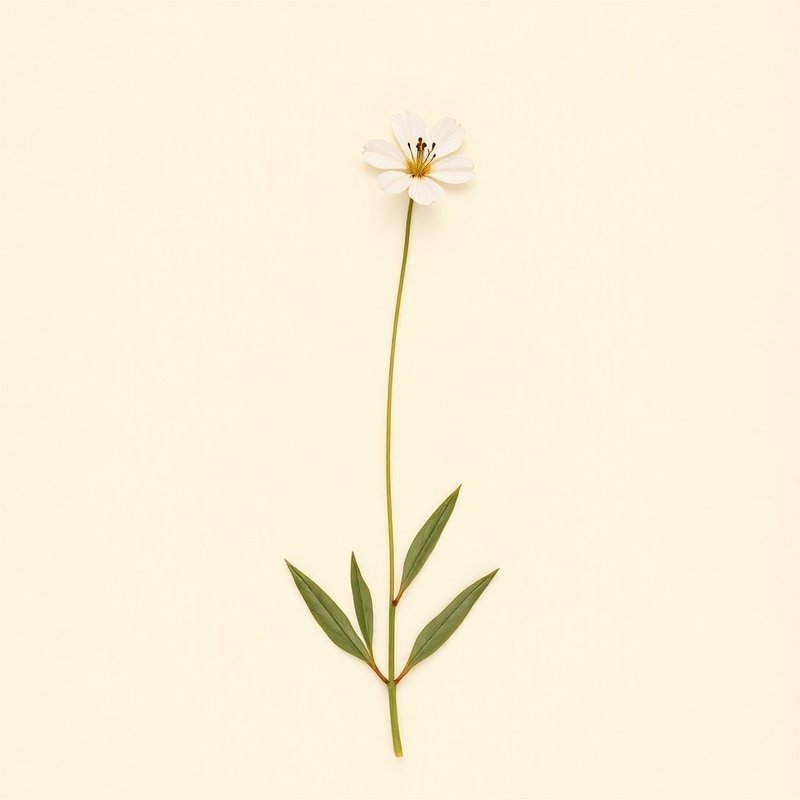
Commelina erecta (Slender Day-Flower) — botanical photograph
Pl. 0FAA — Commelina erecta
Commelina erectaCommelina erectaCommelina erectaCommelina erectaCommelina erectaCommelina erectaCommelina erectaCommelina erectaCommelina erectaCommelina erectaCommelina erectaCommelina erectaCommelina erectaCommelina erecta
I

Overview

Slender Day-Flower (Commelina erecta), a perennial plant from the Commelinaceae family, is native to a wide range of regions including Alabama, Angola, and parts of South America and Africa. This adaptable plant thrives in full sun to partial shade and can be found in both dry and moist conditions, growing in light to medium soil. Reaching heights of up to 1.2 meters, it is hardy in zones 8-11. The slender day-flower's roots are edible and can be prepared in various ways, such as being dug up and eaten raw or cooked, adding a mild flavor to soups or stews. This plant's adaptability across diverse climates and habitats contributes to its widespread distribution, with introductions into regions like Bangladesh, Chile Central, Japan, Palestine, and Spain. While not traditionally used for medicinal purposes, its edible roots make it a valuable food source in certain areas.

Quick answers

What is Slender Day-Flower?

Slender Day-Flower (Commelina erecta), a perennial plant from the Commelinaceae family, is native to a wide range of regions including Alabama, Angola, and parts of South America and Africa.

Compare with:Commelina→Day Flower→Whitemouth Dayflower→all comparisons →
Growingconditions · propagation · uses
V

Cultivation

Slender Day-Flower thrives in full to partial sun and prefers moist to dry conditions, making it adaptable to various environments. It grows well in light (sandy) and medium soil types. This perennial reaches a height of 1.2 meters and is hardy in zones 8-11. For propagation, you can use the root, and ensure the plant has enough space to grow.
Light
Full sun, Partial sun/shade
Water
Dry, Moist
Soil
Light (sandy), Medium
Hardiness
8-11
Life cycle
Perennial
Mature size
1.2 m tall
For first-time growers

How to grow Slender Day-Flower for the first time

8steps

Start with a simple, low-maintenance perennial that thrives in various conditions.

  1. 1

    What you'll need

    Seeds or small plants, potting soil, containers or garden space.

  2. 2

    Best time to plant

    Plant in spring after the last frost or in fall for cooler climates.

  3. 3

    Soil and container prep

    Use well-draining soil; ensure containers have drainage holes. For gardens, prepare loose, sandy to medium soil.

  4. 4

    Sowing or transplanting

    Direct sow seeds 0.5 inches deep in the garden or start indoors 4-6 weeks before planting outside. Transplant young plants carefully.

  5. 5

    First two weeks

    Water regularly, keeping the soil moist but not waterlogged. Place in full to partial sun.

  6. 6

    Ongoing care

    Water when the top inch of soil is dry. Provide light shade during hot afternoons if necessary. Deadhead flowers for continuous blooming.

  7. 7

    Harvest or pruning

    Prune dead leaves and spent blooms to maintain plant health and appearance. No specific harvesting needed as it's primarily grown for its ornamental value.

  8. 8

    Common mistakes

    Overwatering, planting in heavy soil, not providing enough sunlight, neglecting to prune dead foliage.

VI

Edible & utility

Edible parts:Root
Edible uses: The slender day-flower's roots are edible and can be prepared in various ways. They are typically dug up and eaten raw or cooked. The root provides a mild flavor and is sometimes added to soups or stews for extra nutrition.
Contextrange · companions · related
VII

Distribution

123 native · 5 introduced
Distribution across4 continents· 123 native· 5 introduced
Europe1 region
introduced (1)Spain
Asia6 regions
native (3)GeorgiaSaudi ArabiaYemen
introduced (3)BangladeshJapanPalestine
Americas22 regions
native (22)BahamasBelizeBoliviaColombiaCosta RicaCubaDominican RepublicEcuadorEl SalvadorFrench GuianaGuatemalaGuyanaHaitiHondurasJamaicaNicaraguaParaguayPeruPuerto RicoSurinameUruguayVenezuela
Africa32 regions
native (32)AngolaBeninBotswanaBurkina FasoBurundiCabo VerdeCameroonChadCôte d'IvoireEswatiniEthiopiaGambiaGhanaGuineaGuinea-BissauKenyaLiberiaMalawiMaliMozambiqueNamibiaNigerNigeriaRwandaSenegalSierra LeoneSomaliaSudanTanzaniaTogoUgandaZimbabwe
Broader regions
native:Alabama, Argentina Northeast, Argentina Northwest, Arizona, Arkansas, Aruba, Bermuda, Brazil North, Brazil Northeast, Brazil South, Brazil Southeast, Brazil West-Central, Cape Provinces, Cayman Is., Central African Repu, Colorado, Congo, Delaware, District of Columbia, Florida, Free State, Gulf of Guinea Is., Illinois, Indiana, Iowa, Kansas, Kentucky, KwaZulu-Natal, Leeward Is., Louisiana, Maryland, Mexico Central, Mexico Gulf, Mexico Northeast, Mexico Northwest, Mexico Southeast, Mexico Southwest, Michigan, Minnesota, Mississippi, Missouri, Nebraska, Netherlands Antilles, New Jersey, New Mexico, New York, North Carolina, Northern Provinces, Oklahoma, Panamá, Pennsylvania, Rhode I., South Carolina, South Dakota, Southwest Caribbean, Tennessee, Texas, Trinidad-Tobago, Turks-Caicos Is., Venezuelan Antilles, Virginia, West Virginia, Windward Is., Wisconsin, Wyoming, Zaïre
introduced:Chile Central
IX

Specimen gallery

1 image
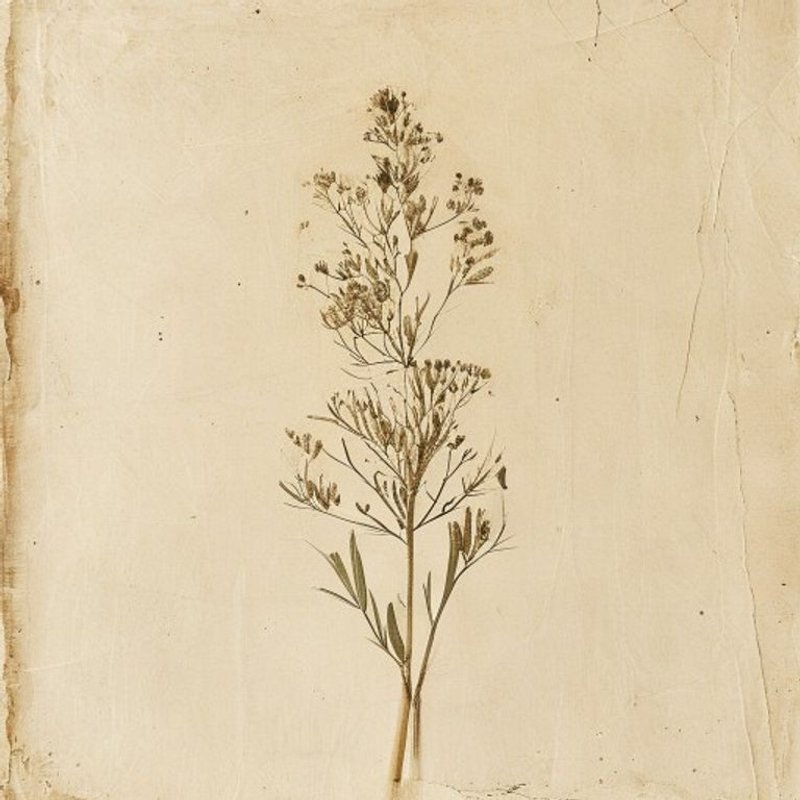
Commelina erecta (Slender Day-Flower) — botanical photograph
Slender Day-Flower (Commelina erecta)
X

See also

3 related

Plants you might compare or use together — scored by shared family (Commelinaceae), common use cases, and growing requirements.

same family · Commelinaceae
Botanical relatives — often share phytochemistry + growing needs.
XI

Explore further

XII

About this entry

Last updated
Citation
How to cite this entry · Submit a correction
Back to the cataloguePlant id · 0faac5f1-0a3e-4445-b7d4-a3101df9559d
❦❦❦❦
Endpaper · archive updates

Get archive updates

Occasional email when substantial new content lands — plant profiles, seasonal growing notes, folk-remedy additions. Free, no tracking, unsubscribe anytime.

Newsletter returning soon.
We are rebuilding the update list around a lightweight editorial workflow. New dispatches will resume after the next content review cycle.
iCare notes