
Whitemouth Dayflower
Commelina erecta angustifoliafam. Commelinaceae
Educational content — not medical, botanical, or professional advice. Plant identification, safety, and edibility depend on local conditions, cultivars, and correct identification. Consult a qualified botanist or forager before consuming or handling wild specimens. How we source & review →
Garden journal pausedUse profile notes below
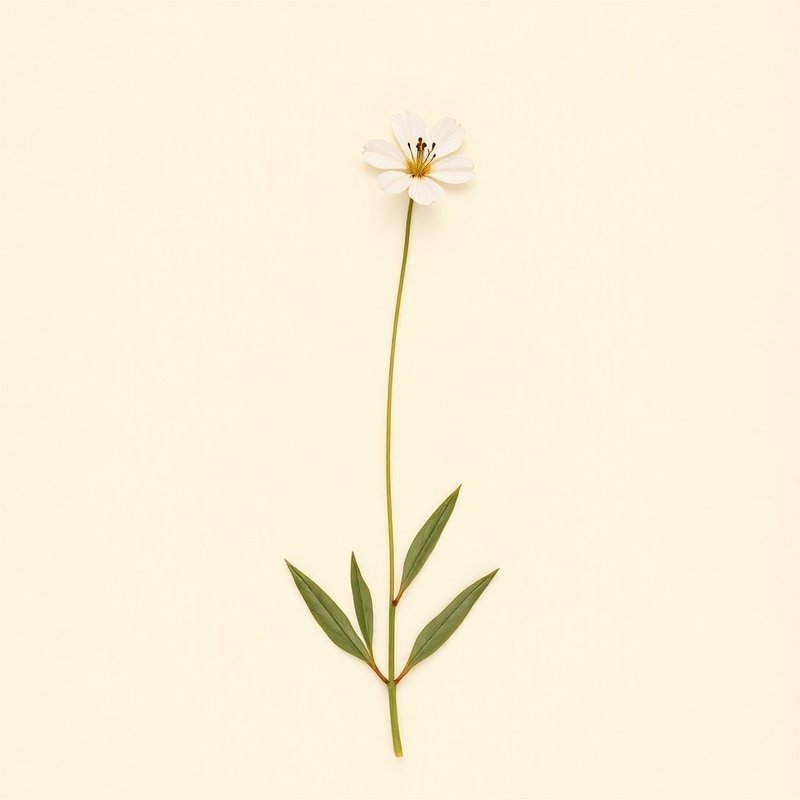
Pl. 15D4 — Commelina erecta angustifolia
Commelina erecta angustifoliaCommelina erecta angustifoliaCommelina erecta angustifoliaCommelina erecta angustifoliaCommelina erecta angustifoliaCommelina erecta angustifoliaCommelina erecta angustifoliaCommelina erecta angustifoliaCommelina erecta angustifoliaCommelina erecta angustifoliaCommelina erecta angustifoliaCommelina erecta angustifoliaCommelina erecta angustifoliaCommelina erecta angustifolia
IOverview
Overview
Whitemouth Dayflower, scientifically known as *Commelina erecta angustifolia*, is a perennial plant belonging to the family Commelinaceae. Native to regions including Alabama, Angola, and various areas in Argentina, as well as parts of Arizona and the Bahamas, this plant can be found in a variety of habitats, often thriving in full sun to partial shade. It prefers light or medium soil that can be either dry or moist, making it adaptable to different growing conditions. The most notable feature of the Whitemouth Dayflower is its edible root. The root can be dug up and prepared in various ways, such as boiling or roasting, to make it palatable. This makes it a valuable addition to gardens or natural landscapes, especially for those interested in foraging or sustainable food sources. Whitemouth Dayflower grows up to 0.8 meters tall, providing a noticeable presence in gardens or natural settings. Its ability to thrive in a range of soil types and light conditions, along with its edible roots, makes it a versatile plant for cultivation. While not traditionally used for medicinal purposes, its culinary applications make it a valuable plant for those interested in edible landscaping or foraging.
Quick answers
What is Whitemouth Dayflower?
Whitemouth Dayflower, scientifically known as *Commelina erecta angustifolia*, is a perennial plant belonging to the family Commelinaceae.
Growingconditions · propagation · uses
VCultivation
Cultivation
Whitemouth Dayflower thrives in full to partial sun and prefers moist to dry conditions. It grows well in light (sandy) and medium soil types. This perennial is hardy in zones 8-11 and can reach a height of 0.8 meters. For propagation, gardeners may use seeds or division. The edible parts include the root, making it useful for various culinary applications.
Light
Full sun, Partial sun/shade
Water
Dry, Moist
Soil
Light (sandy), Medium
Hardiness
8-11
Life cycle
Perennial
Mature size
0.8 m tall
VIEdible & utility
Edible & utility
Edible parts:Root
Edible uses: The root of the Whitemouth Dayflower (Commelina erecta angustifolia) is edible and can be prepared in various ways. It is often dug up and either boiled or roasted to make it palatable. Skip
Contextrange · companions · related
VIIDistribution
107 native · 5 introduced
Distribution
107 native · 5 introducedDistribution across4 continents· 107 native· 5 introduced
Europe1 region
introduced (1)Spain
Asia5 regions
native (2)GeorgiaYemen
introduced (3)BangladeshJapanPalestine
Americas22 regions
native (22)BahamasBelizeBoliviaColombiaCosta RicaCubaDominican RepublicEcuadorEl SalvadorFrench GuianaGuatemalaGuyanaHaitiHondurasJamaicaNicaraguaParaguayPeruPuerto RicoSurinameUruguayVenezuela
Africa20 regions
native (20)AngolaBeninBotswanaBurkina FasoChadCôte d'IvoireEswatiniEthiopiaGambiaGhanaKenyaMalawiMozambiqueNamibiaNigeriaSenegalSomaliaTanzaniaTogoZimbabwe
Broader regions
native:Alabama, Argentina Northeast, Argentina Northwest, Arizona, Arkansas, Aruba, Bermuda, Brazil North, Brazil Northeast, Brazil South, Brazil Southeast, Brazil West-Central, Cape Provinces, Cayman Is., Colorado, Congo, Delaware, District of Columbia, Florida, Gulf of Guinea Is., Illinois, Indiana, Iowa, Kansas, Kentucky, KwaZulu-Natal, Leeward Is., Louisiana, Maryland, Mexico Central, Mexico Gulf, Mexico Northeast, Mexico Northwest, Mexico Southeast, Mexico Southwest, Michigan, Minnesota, Mississippi, Missouri, Nebraska, Netherlands Antilles, New Jersey, New Mexico, New York, North Carolina, Northern Provinces, Oklahoma, Panamá, Pennsylvania, Rhode I., South Carolina, South Dakota, Southwest Caribbean, Tennessee, Texas, Trinidad-Tobago, Turks-Caicos Is., Venezuelan Antilles, Virginia, West Virginia, Windward Is., Wisconsin, Wyoming
introduced:Chile Central
IXSpecimen gallery
1 image
Specimen gallery
1 imageXSee also
3 related
See also
3 relatedPlants you might compare or use together — scored by shared family (Commelinaceae), common use cases, and growing requirements.
same family · Commelinaceae
Botanical relatives — often share phytochemistry + growing needs.

XI
Explore further
Companion planting
Compare with similar plants
Growing zone
Native to
XII
About this entry
- Last updated
- Citation
- How to cite this entry · Submit a correction
Back to the cataloguePlant id · 15d4ede4-891b-4b86-bb3d-ec722606e237
Decision aid
Choosing between Whitemouth Dayflower and something else?
Continue reading
❦❦❦❦
Endpaper · archive updates
Get archive updates
Occasional email when substantial new content lands — plant profiles, seasonal growing notes, folk-remedy additions. Free, no tracking, unsubscribe anytime.
Newsletter returning soon.
We are rebuilding the update list around a lightweight editorial workflow. New dispatches will resume after the next content review cycle.