
Cornus australis
Cornus australis
Educational content — not medical, botanical, or professional advice. Plant identification, safety, and edibility depend on local conditions, cultivars, and correct identification. Consult a qualified botanist or forager before consuming or handling wild specimens. How we source & review →
Garden journal pausedUse profile notes below
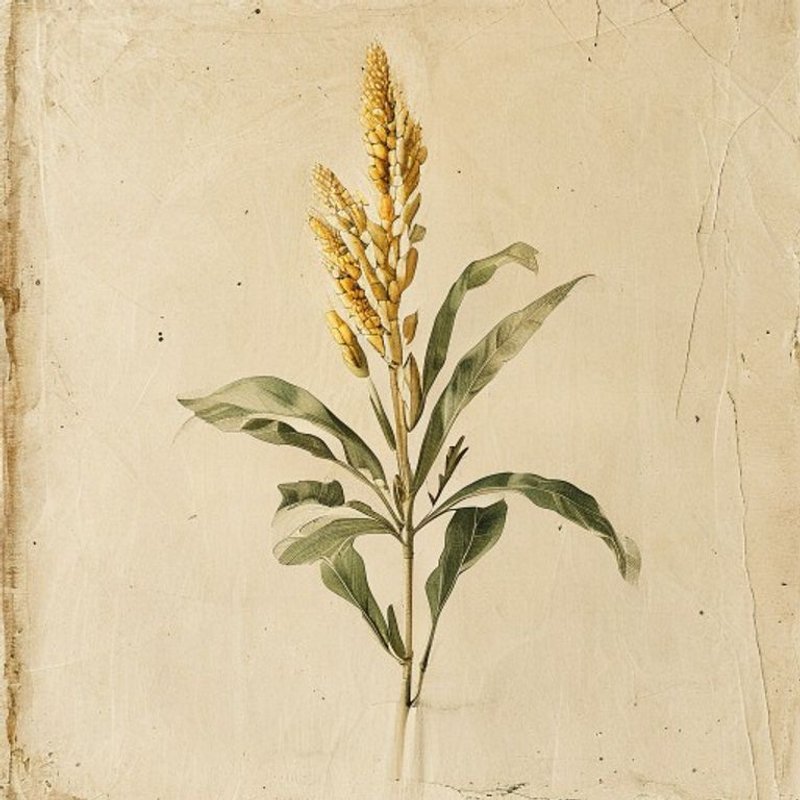
Pl. A9D1 — Cornus australis
Cornus australisCornus australisCornus australisCornus australisCornus australisCornus australisCornus australisCornus australisCornus australisCornus australisCornus australisCornus australisCornus australisCornus australis
IOverview
Overview
Cornus australis, commonly known as the white dogwood, is a deciduous shrub native to Central and Eastern Europe and parts of Asia Minor, including Austria, Bulgaria, Greece, and Ukraine. This plant thrives in a variety of soil types, ranging from light (sandy) to medium and heavy (clay), and prefers moist, well-drained conditions. It is adaptable to both full sun and partial shade, making it a versatile addition to gardens and landscapes. Hardy in zones 6-9, Cornus australis can grow up to 4 meters in height, making it a notable ornamental plant with its attractive white flowers and berries. The fruit of Cornus australis is edible and can be enjoyed fresh or used in various culinary applications. Additionally, this plant has multiple practical uses, serving as a weaving material, fire starter, dye, and a component in hedgerows. Its introduction into Belgium and Great Britain has further expanded its cultivation range. While primarily known for its ornamental and culinary value, Cornus australis also has utility in landscaping and traditional crafts.
Quick answers
What is Cornus australis?
Cornus australis, commonly known as the white dogwood, is a deciduous shrub native to Central and Eastern Europe and parts of Asia Minor, including Austria, Bulgaria, Greece, and Ukraine.
Growingconditions · propagation · uses
VCultivation
Cultivation
Cornus australis thrives in full to partial sun and prefers moist soil that can be light (sandy), medium, or heavy (clay). It is hardy in zones 6-9 and grows up to 4 meters tall. Propagate through seed or cuttings. The fruit is edible and native to regions including Austria, Bulgaria, Greece, and Ukraine.
Light
Full sun, Partial sun/shade
Water
Moist
Soil
Light (sandy), Medium, Heavy (clay)
Hardiness
6-9
Mature size
4.0 m tall
For first-time growers
How to grow Cornus australis for the first time
8steps
Start with planting Cornus australis in your garden for its easy care and attractive fruit.
- 1
What you'll need
Cornus australis saplings, well-draining soil, mulch.
- 2
Best time to plant
Plant in spring or fall when the weather is cooler.
- 3
Soil and container prep
Ensure the soil is light (sandy), medium, or heavy with good drainage. Amend as needed.
- 4
Sowing or transplanting
Transplant saplings directly into the garden or a large pot if you're growing in containers.
- 5
First two weeks
Water regularly to keep soil moist but not waterlogged. Monitor for pests and diseases.
- 6
Ongoing care
Provide full sun to partial shade, water when the top inch of soil dries out. Prune in late winter or early spring.
- 7
Harvest or pruning
Prune after fruiting to maintain shape and encourage new growth.
- 8
Common mistakes
Overwatering, planting in poorly drained soil, neglecting regular pruning.
VIEdible & utility
Edible & utility
Edible parts:Fruit
Edible uses: Oil
Other uses:Weaving materialFire starterDyeHedgerowoilLumber
Contextrange · companions · related
VIIDistribution
46 native · 2 introduced
Distribution
46 native · 2 introducedDistribution across2 continents· 46 native· 2 introduced
Europe8 regions
native (6)AustriaBulgariaGreecePolandRussiaUkraine
introduced (2)BelgiumUnited Kingdom
Asia1 region
native (1)Georgia
Broader regions
native:Alabama, Arkansas, Connecticut, Czechoslovakia, Delaware, District of Columbia, Florida, Illinois, Indiana, Kansas, Kentucky, Lebanon-Syria, Louisiana, Maine, Maryland, Masachusettes, Mexico Gulf, Mexico Northeast, Michigan, Mississippi, Missouri, New Hampshire, New Jersey, New York, North Carolina, Ohio, Oklahoma, Ontario, Pennsylvania, Rhode I., South Carolina, Tennessee, Texas, Transcaucasus, Vermont, Virginia, West Virginia, Yugoslavia
IXSpecimen gallery
1 image
Specimen gallery
1 imageXI
Explore further
Companion planting
Growing zone
XII
About this entry
- Last updated
- Citation
- How to cite this entry · Submit a correction
Back to the cataloguePlant id · a9d1000a-0ccb-4aa8-b6fd-0e5b828c9667
Decision aid
Choosing between Cornus australis and something else?
Continue reading
❦❦❦❦
Endpaper · archive updates
Get archive updates
Occasional email when substantial new content lands — plant profiles, seasonal growing notes, folk-remedy additions. Free, no tracking, unsubscribe anytime.
Newsletter returning soon.
We are rebuilding the update list around a lightweight editorial workflow. New dispatches will resume after the next content review cycle.