
Crown Vetch
IOverview
Overview
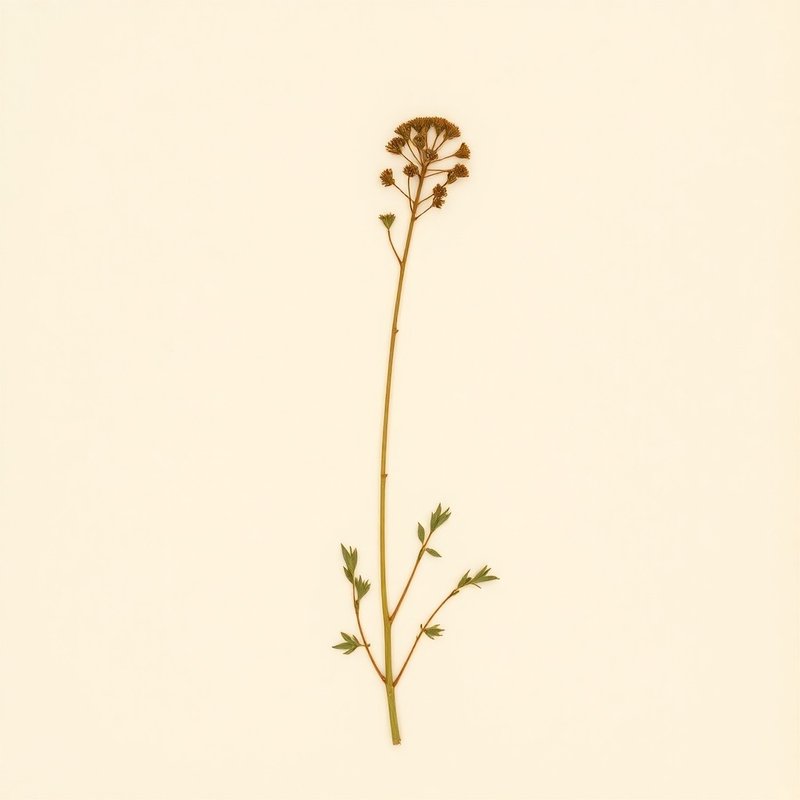
Crown Vetch, scientifically known as Coronilla varia, is a perennial plant native to Austria and has been introduced to many regions across Europe and parts of Asia, including Albania, Belarus, Bulgaria, and Greece. This hardy species thrives in full sun and can adapt to various soil types, including light (sandy), medium, and heavy (clay). Crown Vetch is valued for its ornamental use, featuring attractive purple flowers that make it a popular choice in landscaping. The plant is also edible, adding versatility to its applications. Its ability to tolerate both dry and moist conditions, along with its fast growth and nitrogen-fixing properties, makes it suitable for erosion control and ground cover. Crown Vetch is hardy in zones 4-9, making it a reliable choice for temperate regions. While it is generally safe, caution should be exercised when handling the plant due to its potential for rapid spread.
What is Crown Vetch?
Crown Vetch, scientifically known as Coronilla varia, is a perennial plant native to Austria and has been introduced to many regions across Europe and parts of Asia, including Albania, Belarus, Bulgaria, and Greece.
VCultivation
Cultivation
How to grow Crown Vetch for the first time
Crown Vetch is a low-maintenance perennial that's perfect for beginners looking to add some hardiness and beauty to their garden.
- 1
What you'll need
Seeds or small plants, a trowel, mulch.
- 2
Best time to plant
Plant in spring after the last frost or in fall before the first freeze.
- 3
Soil and container prep
Choose a location with well-draining soil that's light (sandy), medium, or heavy. Ensure full sun exposure.
- 4
Sowing or transplanting
Direct sow seeds 0.5 cm deep in the ground or plant small plants at a spacing of about 30-45 cm.
- 5
First two weeks
Water sparingly to keep soil moist but not waterlogged. Monitor for pests and diseases.
- 6
Ongoing care
Water only when the soil is dry, prune in spring to maintain shape, and mulch around plants to retain moisture.
- 7
Harvest or pruning
Prune in early spring to encourage new growth. Remove any dead or damaged foliage as needed.
- 8
Common mistakes
Overwatering, planting in poorly drained soil, neglecting to prune regularly.
VIEdible & utility
Edible & utility
VIIDistribution
29 native · 66 introduced
Distribution
29 native · 66 introducedIXSpecimen gallery
1 image
Specimen gallery
1 imageXSee also
8 related
See also
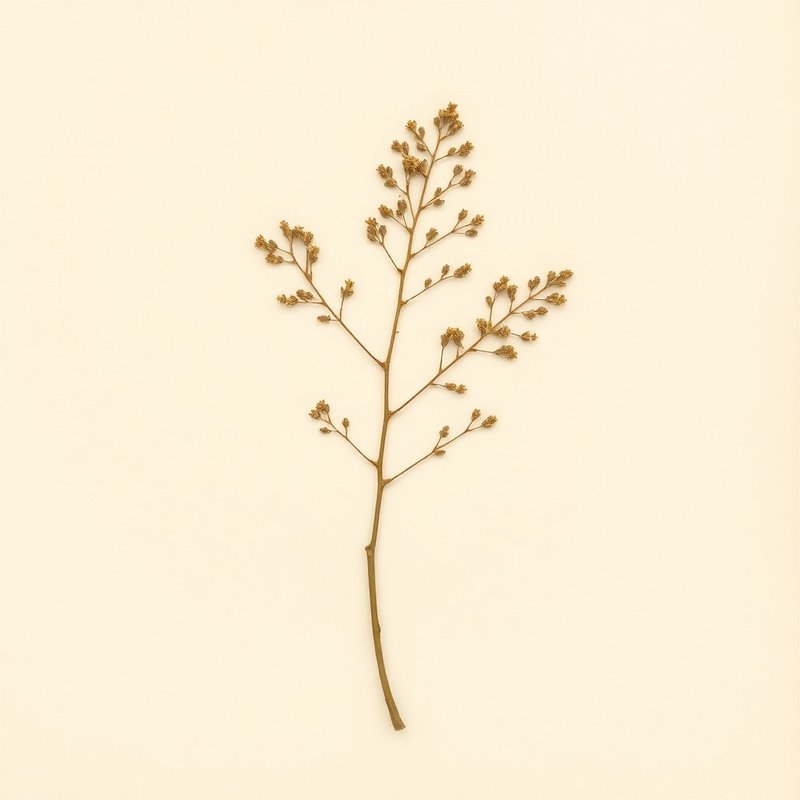
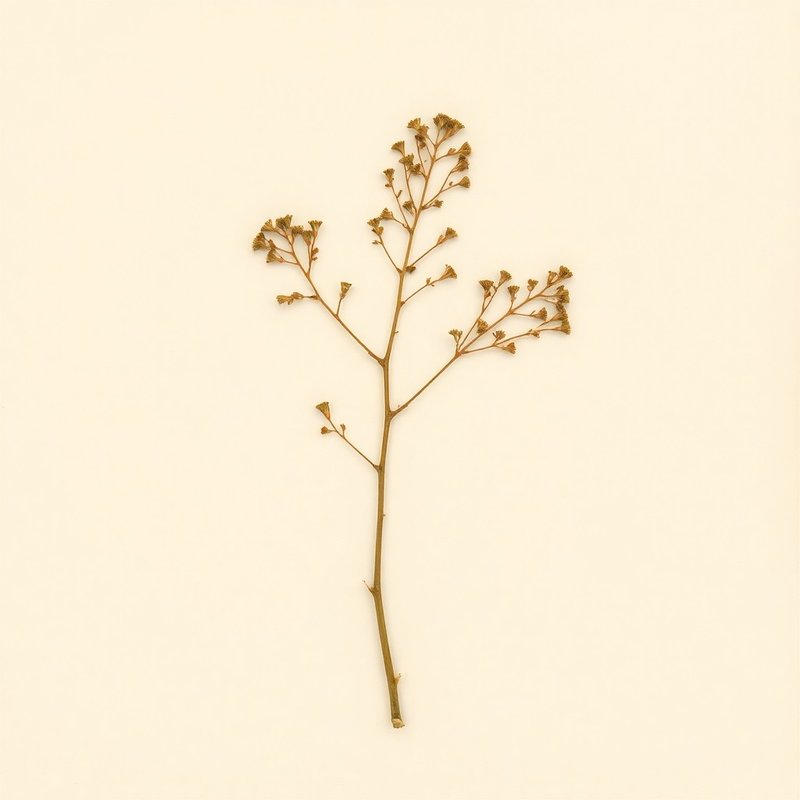
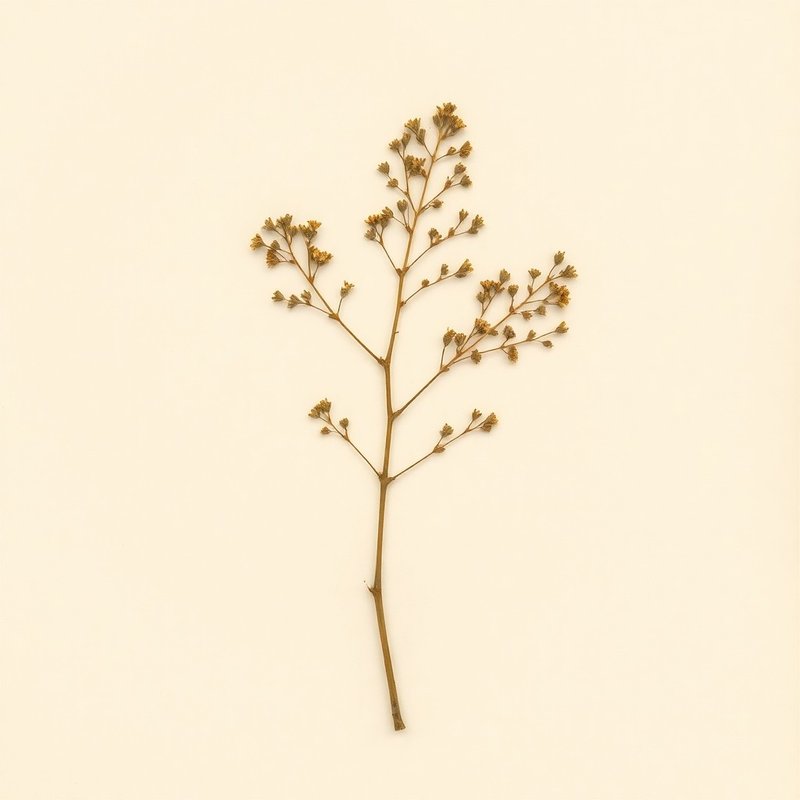
8 relatedPlants you might compare or use together — scored by shared family (Fabaceae), common use cases, and growing requirements.
Explore further
About this entry
- Last updated
- Citation
- How to cite this entry · Submit a correction
Continue reading
Get archive updates
Occasional email when substantial new content lands — plant profiles, seasonal growing notes, folk-remedy additions. Free, no tracking, unsubscribe anytime.