
Karaka
Corynocarpus spp.fam. Myricaceae
Educational content — not medical, botanical, or professional advice. Plant identification, safety, and edibility depend on local conditions, cultivars, and correct identification. Consult a qualified botanist or forager before consuming or handling wild specimens. How we source & review →
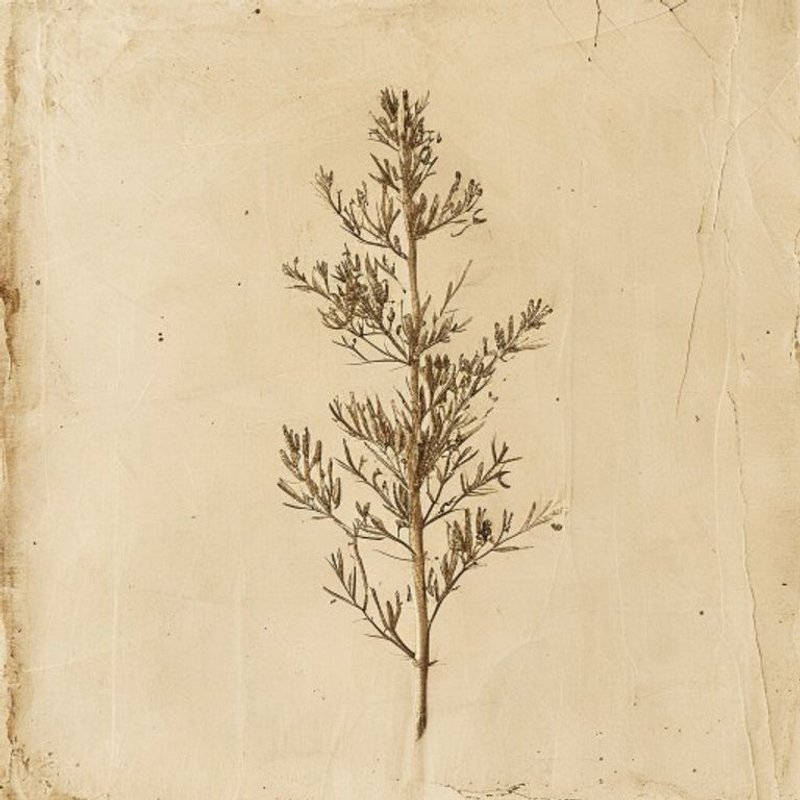
Pl. 187C — Corynocarpus spp.
Corynocarpus spp.Corynocarpus spp.Corynocarpus spp.Corynocarpus spp.Corynocarpus spp.Corynocarpus spp.Corynocarpus spp.Corynocarpus spp.Corynocarpus spp.Corynocarpus spp.Corynocarpus spp.Corynocarpus spp.Corynocarpus spp.Corynocarpus spp.
IOverview
Overview
Karaka, scientifically known as Corynocarpus spp., is a medium to large tree native to New Guinea and Queensland. This plant thrives in light to partial sun with moist soil that can be either sandy, medium, or clay-based. Karaka is hardy in zones 7-10 and grows up to 15 meters tall. It is valued for its edible fruit and seed, making it a useful addition to gardens and landscapes. One distinctive feature of the karaka tree is its ability to grow well in various soil types, while another notable characteristic is its requirement for full or partial sun exposure.
Quick answers
What is Karaka?
Karaka, scientifically known as Corynocarpus spp., is a medium to large tree native to New Guinea and Queensland. This plant thrives in light to partial sun with moist soil that can be either sandy, medium, or clay-based. Karaka is hardy in zones 7-10 and grows up to 15 meters tall.
Growingconditions · propagation · uses
VCultivation
Cultivation
Karaka thrives in full to partial sun and prefers moist soil that can be light (sandy), medium, or heavy (clay). It is hardy in zones 7-10 and can grow up to 15 meters tall. For propagation, use seeds. Ensure the plant has adequate water to maintain its moisture needs.
Light
Full sun, Partial sun/shade
Water
Moist
Soil
Light (sandy), Medium, Heavy (clay)
Hardiness
7-10
Mature size
15.0 m tall
For first-time growers
How to grow Karaka for the first time
8steps
Start with a simple, low-maintenance tree that will thrive in your garden.
- 1
What you'll need
A young Karaka sapling, well-draining soil, and a watering can or hose.
- 2
Best time to plant
Plant in spring when the weather is mild and there's plenty of water available.
- 3
Soil and container prep
Ensure the soil is light (sandy), medium, or heavy with good drainage. Amend with compost if needed.
- 4
Sowing or transplanting
Transplant a young sapling from a nursery pot into your garden bed. Dig a hole twice as wide and deep as the root ball.
- 5
First two weeks
Water regularly to keep the soil moist but not soggy. Mulch around the base to retain moisture.
- 6
Ongoing care
Provide full sun or partial shade, water when dry, and prune lightly in late winter to maintain shape.
- 7
Harvest or pruning
Prune in late winter to encourage healthy growth. Harvest fruit for culinary use as they ripen.
- 8
Common mistakes
Overwatering, planting in heavy clay soil without amending, and not providing enough light.
VIEdible & utility
Edible & utility
Edible parts:FruitSeed
Edible uses: The fruit of the Karaka tree is edible and can be eaten raw or used in various preparations. The seeds are also utilized but require careful preparation as they contain toxic compounds that must be removed before consumption. Typically, the fruit is consumed fresh, while the seed is processed to make flour or oil.
Contextrange · companions · related
VIIDistribution
2 native · 0 introduced
Distribution
2 native · 0 introducedDistribution across0 continents· 2 native
Broader regions
native:New Guinea, Queensland
IXSpecimen gallery
1 image
Specimen gallery
1 imageXSee also
7 related
See also
7 relatedPlants you might compare or use together — scored by shared family (Myricaceae), common use cases, and growing requirements.
same family · Myricaceae
Botanical relatives — often share phytochemistry + growing needs.

XI
Explore further
Companion planting
Compare with similar plants
Growing zone
XII
About this entry
- Last updated
- Citation
- How to cite this entry · Submit a correction
Back to the cataloguePlant id · 187c4be6-1d4e-4849-9198-5565a32f5b6b
Decision aid
Choosing between Karaka and something else?
Continue reading
❦❦❦❦
Endpaper · archive updates
Get archive updates
Occasional email when substantial new content lands — plant profiles, seasonal growing notes, folk-remedy additions. Free, no tracking, unsubscribe anytime.