
Stilt-root Palm Wild Borneo sago palm
IOverview
Overview
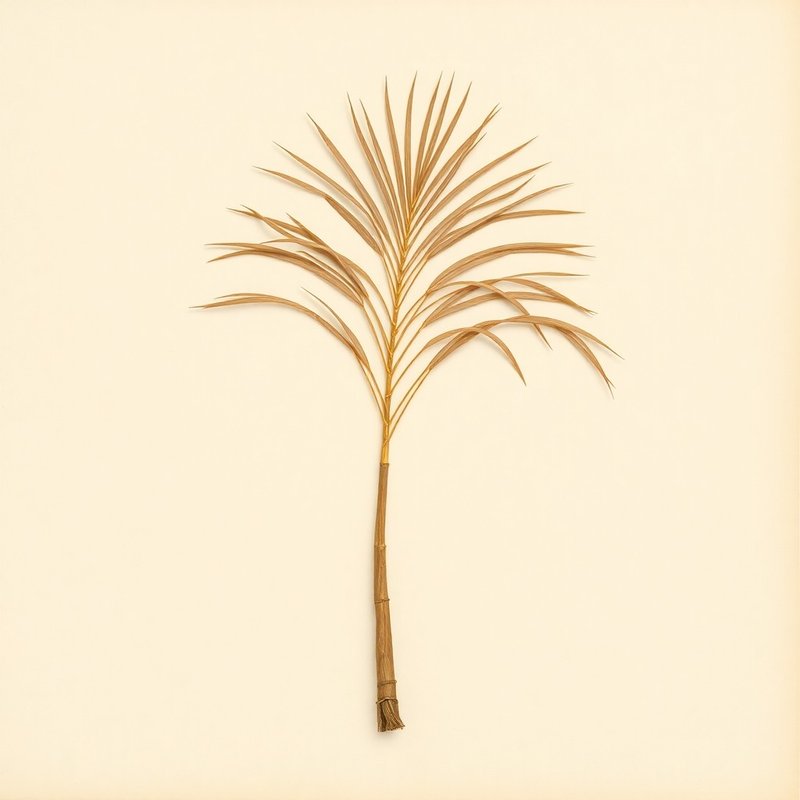
The Stilt-root Palm Wild Borneo sago palm (Eugeissona utilis), a member of the Myricaceae family, is native to the tropical forests of Borneo. This palm thrives in full sun and prefers soil that can be light (sandy), medium, or heavy (clay), making it adaptable to various growing conditions. It is hardy in USDA Hardiness Zones 10-12, reaching heights of up to 12 meters. Known for its ornamental value and culinary uses, this palm offers multiple edible parts, including the apical bud, pollen, and seeds. The apical buds can be eaten raw or cooked, while the pollen is often used in cooking or as a nutritional supplement. Seeds can be roasted or ground into flour for various culinary applications. One distinctive feature of Eugeissona utilis is its stilt roots, which help it stabilize in the soil. While the plant is not medicinal, its edible parts make it a valuable resource for both ornamental and culinary purposes.
What is Stilt-root Palm Wild Borneo sago palm?
The Stilt-root Palm Wild Borneo sago palm (Eugeissona utilis), a member of the Myricaceae family, is native to the tropical forests of Borneo. This palm thrives in full sun and prefers soil that can be light (sandy), medium, or heavy (clay), making it adaptable to various growing conditions.
VCultivation
Cultivation
How to grow Stilt-root Palm Wild Borneo sago palm for the first time
Start with a simple planting of Stilt-root Palm Wild Borneo sago palm to gain experience in caring for palms.
- 1
What you'll need
A young plant, well-draining soil, and a large pot or garden space.
- 2
Best time to plant
Plant during the warmer months when temperatures are above 20°C (68°F).
- 3
Soil and container prep
Use a mix of light sand, medium soil, and heavy clay in equal parts. Ensure good drainage.
- 4
Sowing or transplanting
Transplant the young plant into your prepared soil, ensuring it is at the same depth as before.
- 5
First two weeks
Water regularly to keep the soil moist but not waterlogged. Avoid direct sunlight for a week.
- 6
Ongoing care
Provide full sun and regular watering. Fertilize once a year in spring with a balanced fertilizer.
- 7
Harvest or pruning
Prune dead fronds to maintain the plant's health, but do not harvest parts for consumption as it is not commonly done.
- 8
Common mistakes
Overwatering, planting in heavy shade, and neglecting to prune dead leaves.
VIEdible & utility
Edible & utility
VIIDistribution
1 native · 0 introduced
Distribution
1 native · 0 introducedIXSpecimen gallery
1 image
Specimen gallery
1 imageXSee also
7 related
See also
7 relatedPlants you might compare or use together — scored by shared family (Myricaceae), common use cases, and growing requirements.

Explore further
About this entry
- Last updated
- Citation
- How to cite this entry · Submit a correction
Continue reading
Get archive updates
Occasional email when substantial new content lands — plant profiles, seasonal growing notes, folk-remedy additions. Free, no tracking, unsubscribe anytime.