Skip to content
IIIFolio · plant profile№ 20E6edible
Data provenancePermapeopleTrefleWikipediaPFAFPOWOreviewed 18 Oct 2026methodology → read
Home/Plants/Asteraceae

Okinawa Spinach

Crassocephalum crepidioidesfam. Asteraceae
Educational content — not medical, botanical, or professional advice. Plant identification, safety, and edibility depend on local conditions, cultivars, and correct identification. Consult a qualified botanist or forager before consuming or handling wild specimens. How we source & review →
edibleperennialculinaryedibleedible leafperennialshade tolerant
Updated·Quick Q&A →
Garden journal pausedUse profile notes below
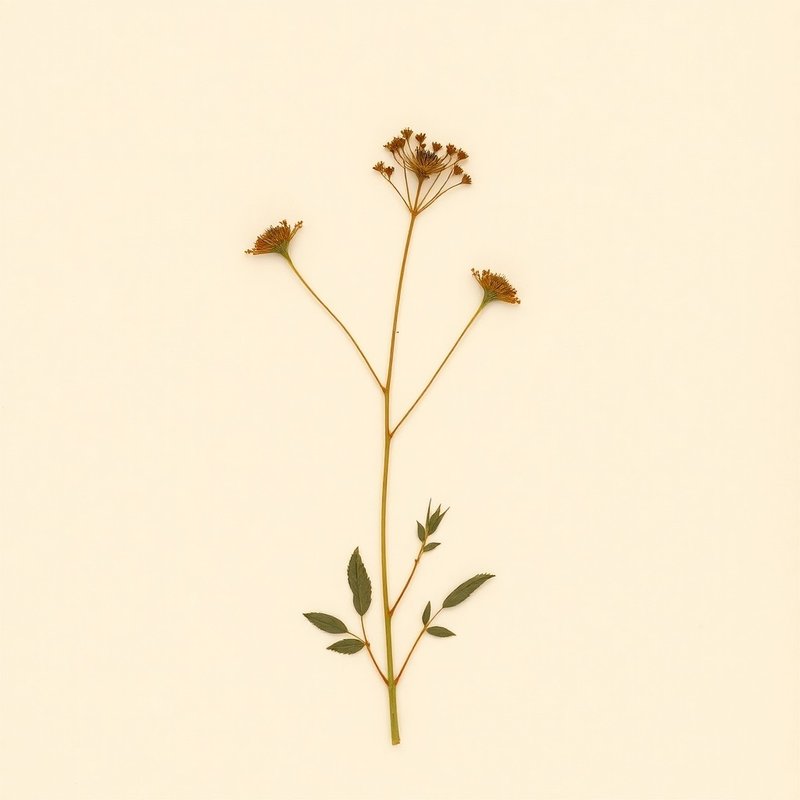
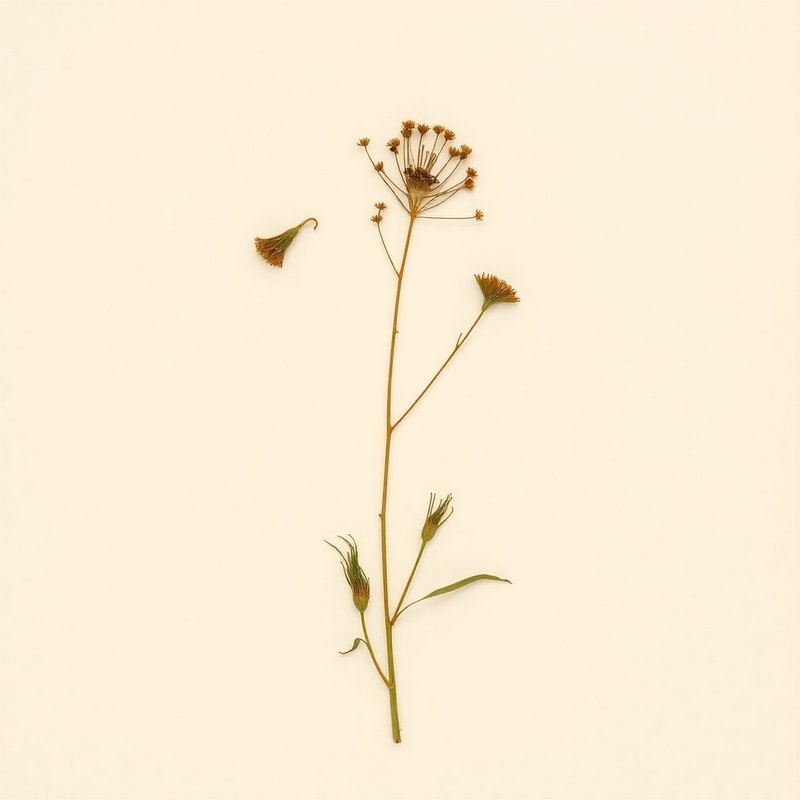
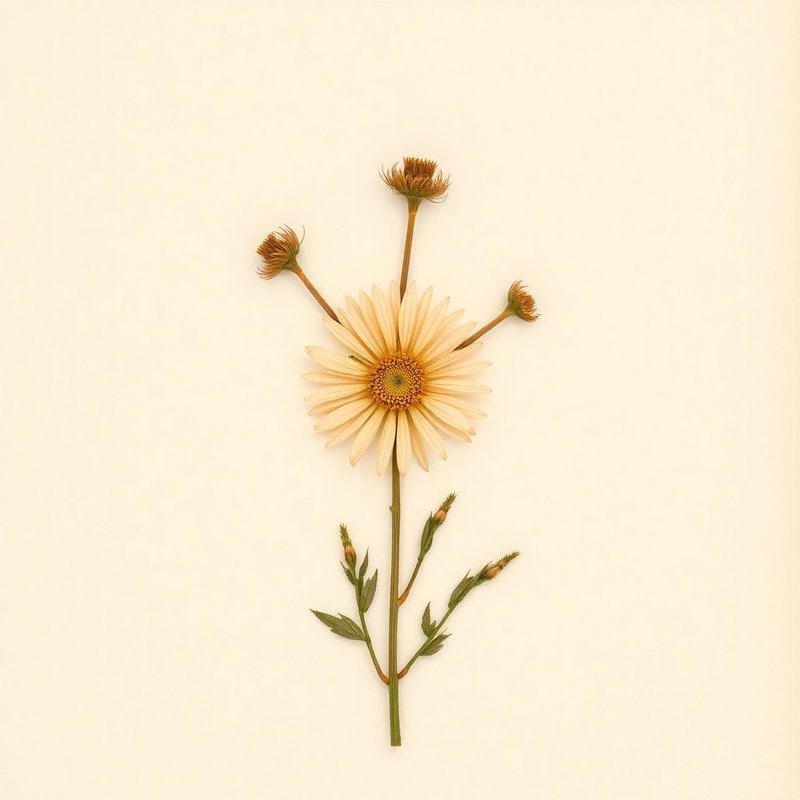
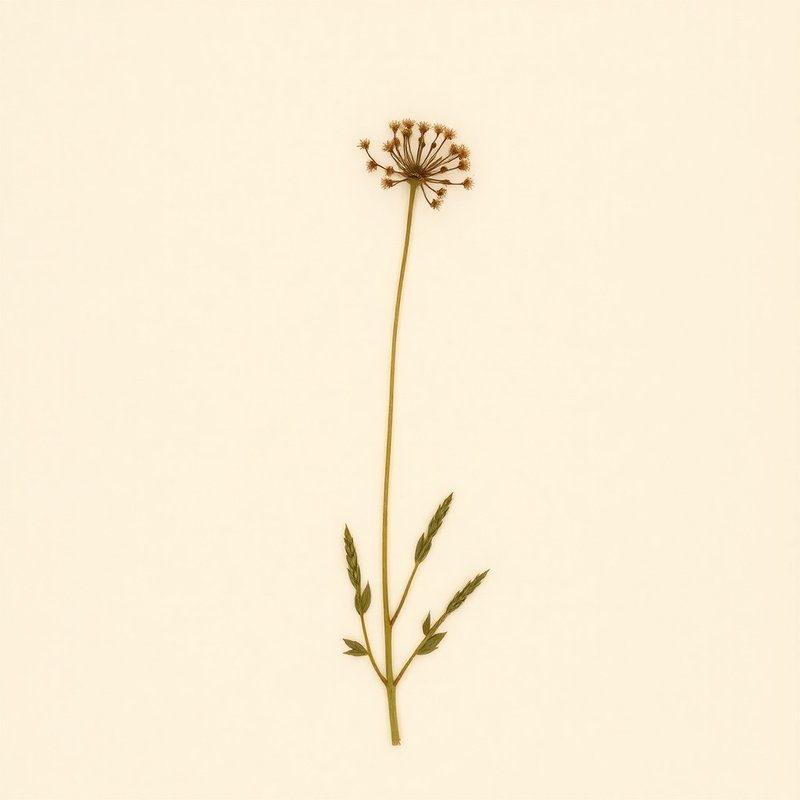
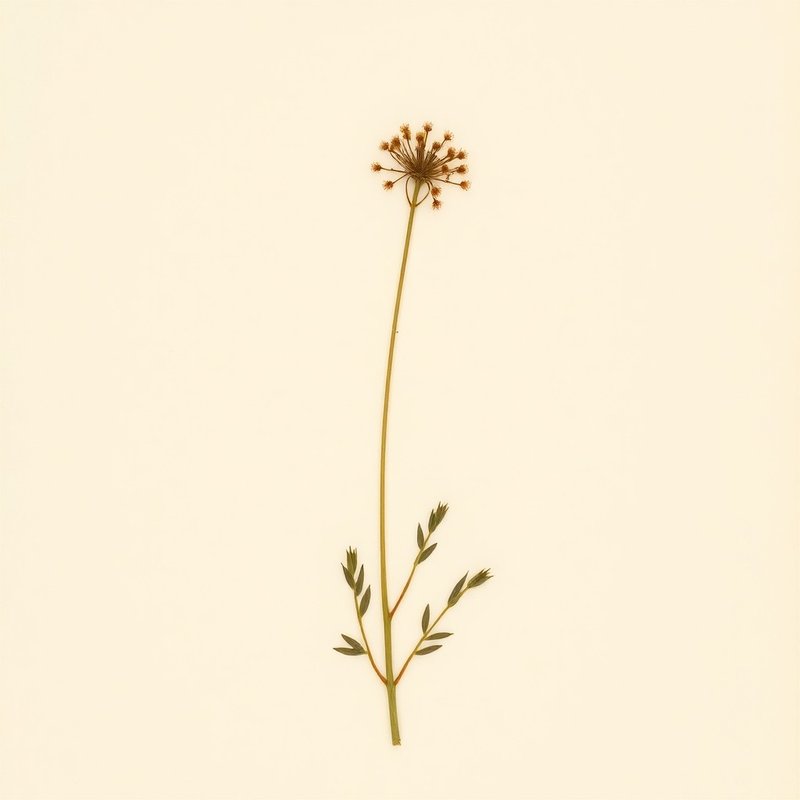
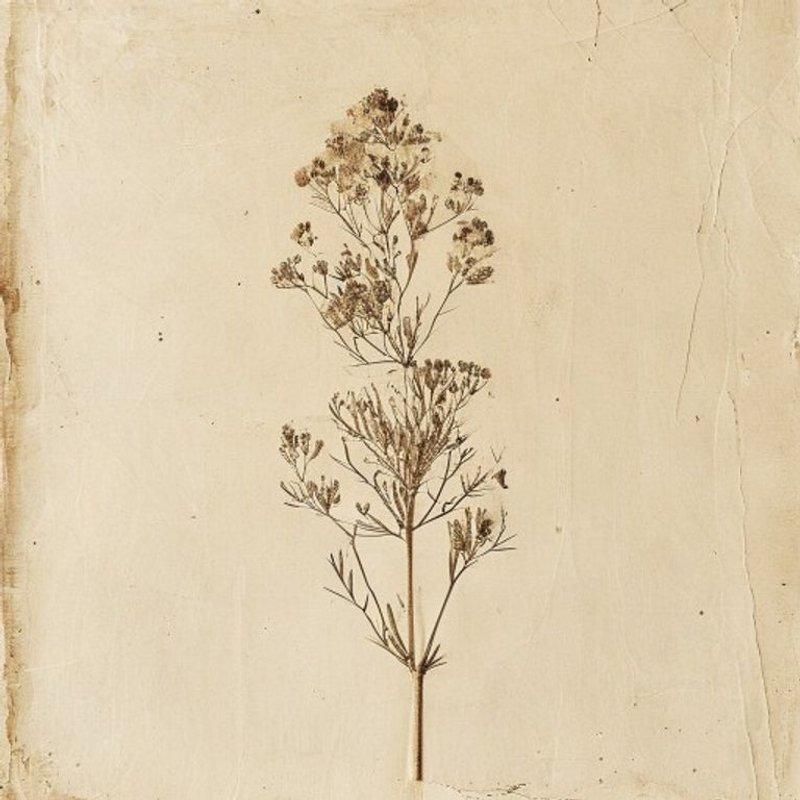
Crassocephalum crepidioides (Okinawa Spinach) — botanical photograph
Pl. 20E6 — Crassocephalum crepidioides
Crassocephalum crepidioidesCrassocephalum crepidioidesCrassocephalum crepidioidesCrassocephalum crepidioidesCrassocephalum crepidioidesCrassocephalum crepidioidesCrassocephalum crepidioidesCrassocephalum crepidioidesCrassocephalum crepidioidesCrassocephalum crepidioidesCrassocephalum crepidioidesCrassocephalum crepidioidesCrassocephalum crepidioidesCrassocephalum crepidioides
I

Overview

Okinawa Spinach, scientifically known as Crassocephalum crepidioides, is a perennial plant belonging to the Asteraceae family. Native to regions including Angola, Benin, Cameroon, and Ethiopia, this plant thrives in a variety of habitats across Africa, from full sun to partial shade, and prefers moist conditions with light or medium soil. It can grow up to 0.8 meters tall and is known for its edible leaves and roots, making it a valuable addition to gardens and culinary uses. The leaves can be eaten raw in salads or cooked as a vegetable, while the roots are typically boiled before consumption. Both parts add a mild, spinach-like flavor to dishes. Okinawa Spinach is adaptable to different lighting conditions and environments, making it a versatile choice for gardeners in similar climates. It is native to regions such as Angola, Benin, Cameroon, and Ethiopia, and has been introduced to various parts of the world, including Assam, Bangladesh, Cambodia, and Costa Rica. While it is not known for medicinal properties, it is recognized for its utility as animal feed and as a source of tannin. However, it is important to note that Okinawa Spinach has the potential to become a weed in some areas.

Quick answers

What is Okinawa Spinach?

Okinawa Spinach, scientifically known as Crassocephalum crepidioides, is a perennial plant belonging to the Asteraceae family.

Compare with:Bidens parviflora→Carpesium triste→Chrysanthemum→all comparisons →
Growingconditions · propagation · uses
V

Cultivation

Okinawa Spinach thrives in full sun to partial shade and prefers moist, well-draining soil that is light (sandy) or medium. It grows up to 0.8 meters tall and can be propagated through its leaves or roots. Hardy in zones 10-12, this perennial is suitable for temperate regions but may require protection in colder areas. Keep the soil consistently moist for best growth.
Light
Full sun, Partial sun/shade, Full shade
Water
Moist
Soil
Light (sandy), Medium
Hardiness
10-12
Life cycle
Perennial
Mature size
0.8 m tall
For first-time growers

How to grow Okinawa Spinach for the first time

7steps

Start with easy care and light requirements for Okinawa Spinach.

  1. 1

    What you'll need

    Seeds or small plants, a container or garden bed, potting soil, water.

  2. 2

    Best time to plant

    Plant in spring after the last frost, when temperatures are mild.

  3. 3

    Soil and container prep

    Use well-draining soil with some sand for lightness. Ensure containers have drainage holes.

  4. 4

    Sowing or transplanting

    Direct sow seeds 0.5 inches deep in the soil, spacing them about 12-18 inches apart. Transplant small plants if needed.

  5. 5

    First two weeks

    Water regularly to keep the soil moist but not soggy. Place in a sunny spot or partial shade.

  6. 6

    Ongoing care

    Water when the top inch of soil feels dry, and provide full sun to partial shade. Pinch back stems for bushier growth.

  7. 7

    Harvest or pruning

    Prune regularly by pinching off leaves as needed for harvesting. This encourages new growth.

VI

Edible & utility

Edible parts:LeavesRoot
Edible uses: The Okinawa Spinach's leaves and roots are edible. The leaves can be eaten raw in salads or cooked as a vegetable. Roots are typically boiled before consumption. Both parts add a mild, spinach-like flavor to dishes.
Other uses:Animal feedTannin
Contextrange · companions · related
VII

Distribution

26 native · 42 introduced
Distribution across4 continents· 26 native· 42 introduced
Asia15 regions
introduced (15)BangladeshCambodiaChinaIndiaJapanLaosMyanmarNepalPhilippinesSouth KoreaSri LankaThailandTurkeyVietnamYemen
Americas7 regions
introduced (7)Costa RicaDominican RepublicGuatemalaHondurasJamaicaPuerto RicoUnited States
Africa20 regions
native (19)AngolaBeninCameroonCôte d'IvoireEswatiniEthiopiaGabonGhanaGuineaLiberiaMadagascarMozambiqueNigeriaSenegalSierra LeoneSudanTogoZambiaZimbabwe
introduced (1)Mauritius
Oceania2 regions
introduced (2)FijiTonga
Broader regions
native:Cape Provinces, Central African Repu, Congo, Gulf of Guinea Is., KwaZulu-Natal, Northern Provinces, Zaïre
introduced:Caroline Is., Christmas I., East Himalaya, Florida, Jawa, Malaya, Marianas, Marquesas, New Guinea, New South Wales, Niue, Norfolk Is., Queensland, Society Is.
IX

Specimen gallery

1 image
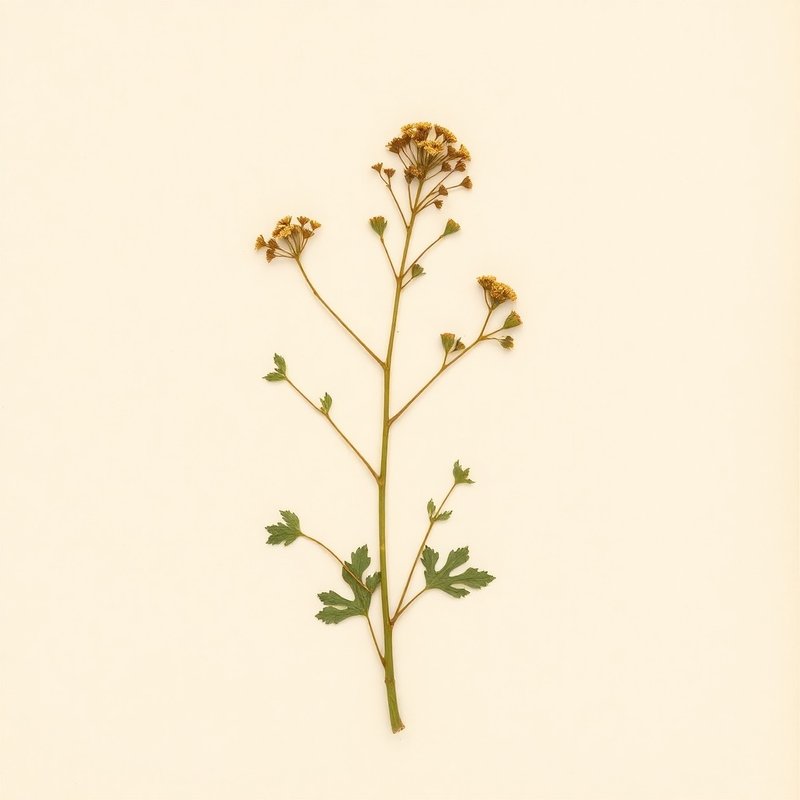
Crassocephalum crepidioides (Okinawa Spinach) — botanical photograph
Okinawa Spinach (Crassocephalum crepidioides)
X

See also

8 related
XI

Explore further

XII

About this entry

Last updated
Citation
How to cite this entry · Submit a correction
Back to the cataloguePlant id · 20e623db-401c-422d-a49c-d050270edfba
Decision aid
Choosing between Okinawa Spinach and something else?
Compare with another plant

Continue reading

❦❦❦❦
Endpaper · archive updates

Get archive updates

Occasional email when substantial new content lands — plant profiles, seasonal growing notes, folk-remedy additions. Free, no tracking, unsubscribe anytime.

Newsletter returning soon.
We are rebuilding the update list around a lightweight editorial workflow. New dispatches will resume after the next content review cycle.
iCare notes