
Gnaphalium hypoleucum
Gnaphalium hypoleucumfam. Asteraceae
Educational content — not medical, botanical, or professional advice. Plant identification, safety, and edibility depend on local conditions, cultivars, and correct identification. Consult a qualified botanist or forager before consuming or handling wild specimens. How we source & review →
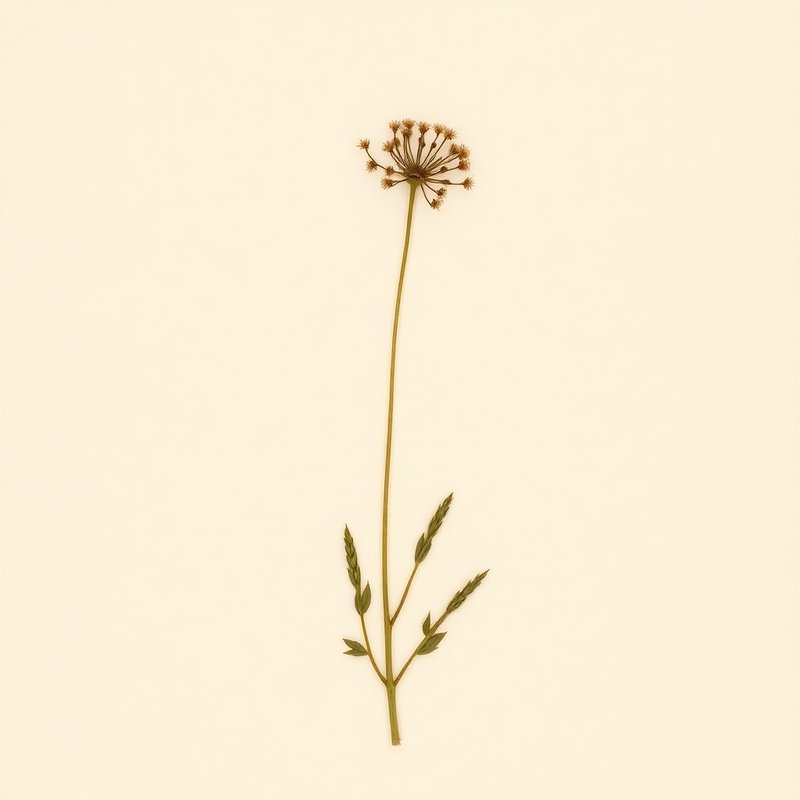
Pl. C0F4 — Gnaphalium hypoleucum
Gnaphalium hypoleucumGnaphalium hypoleucumGnaphalium hypoleucumGnaphalium hypoleucumGnaphalium hypoleucumGnaphalium hypoleucumGnaphalium hypoleucumGnaphalium hypoleucumGnaphalium hypoleucumGnaphalium hypoleucumGnaphalium hypoleucumGnaphalium hypoleucumGnaphalium hypoleucumGnaphalium hypoleucum
IOverview
Overview
Gnaphalium hypoleucum, commonly known as white everlasting, is an annual plant native to regions including Assam, Cambodia, China South-Central and Southeast, East and West Himalayas, India, Iran, Japan, Korea, Laos, Myanmar, Nepal, Pakistan, Philippines, Taiwan, Thailand, and Vietnam. This plant thrives in moist conditions with a preference for light (sandy), medium, or heavy (clay) soils and requires full sun to grow well. It reaches a height of 0.6 meters and is notable for its edible leaves, making it a valuable addition to gardens not only for its ornamental value but also as an ingredient in culinary dishes.
Quick answers
What is Gnaphalium hypoleucum?
Gnaphalium hypoleucum, commonly known as white everlasting, is an annual plant native to regions including Assam, Cambodia, China South-Central and Southeast, East and West Himalayas, India, Iran, Japan, Korea, Laos, Myanmar, Nepal, Pakistan, Philippines, Taiwan, Thailand, and Vietnam.
Growingconditions · propagation · uses
VCultivation
Cultivation
Gnaphalium hypoleucum thrives in full sun and prefers moist soil that is light (sandy), medium, or heavy (clay). This annual plant grows up to 0.6 meters tall and its edible leaves can be harvested for use. Given its native range across various temperate regions, it is hardy but may require specific care depending on local conditions. Propagation is best done through seeds.
Light
Full sun
Water
Moist
Soil
Light (sandy), Medium, Heavy (clay)
Life cycle
Annual
Mature size
0.6 m tall
For first-time growers
How to grow Gnaphalium hypoleucum for the first time
7steps
Start with simple soil and light conditions for a successful beginner's project.
- 1
What you'll need
Seeds or seedlings, potting mix, containers, watering can.
- 2
Best time to plant
Plant in spring when the last frost has passed and temperatures are mild.
- 3
Soil and container prep
Use a well-draining potting mix. Containers should be at least 15 cm deep.
- 4
Sowing or transplanting
Direct sow seeds in the soil surface, cover lightly. For transplants, plant seedlings just below the soil line.
- 5
First two weeks
Keep soil consistently moist but not soggy. Place in a sunny spot to encourage growth.
- 6
Ongoing care
Water when the top inch of soil feels dry. Fertilize sparingly with a balanced liquid fertilizer every 4-6 weeks.
- 7
Harvest or pruning
Prune back after flowering to promote new growth and prevent seed formation.
VIEdible & utility
Edible & utility
Edible parts:Leaves
Edible uses: The leaves of Gnaphalium hypoleucum are edible and can be consumed fresh or dried. They are often used in salads for their mild flavor. Skip the preparation details as specific methods were not provided.
Contextrange · companions · related
VIIDistribution
18 native · 0 introduced
Distribution
18 native · 0 introducedDistribution across1 continent· 18 native
Asia14 regions
native (14)CambodiaChinaIndiaIranJapanLaosMyanmarNepalPakistanPhilippinesSouth KoreaTaiwanThailandVietnam
Broader regions
native:East Himalaya, West Himalaya
IXSpecimen gallery
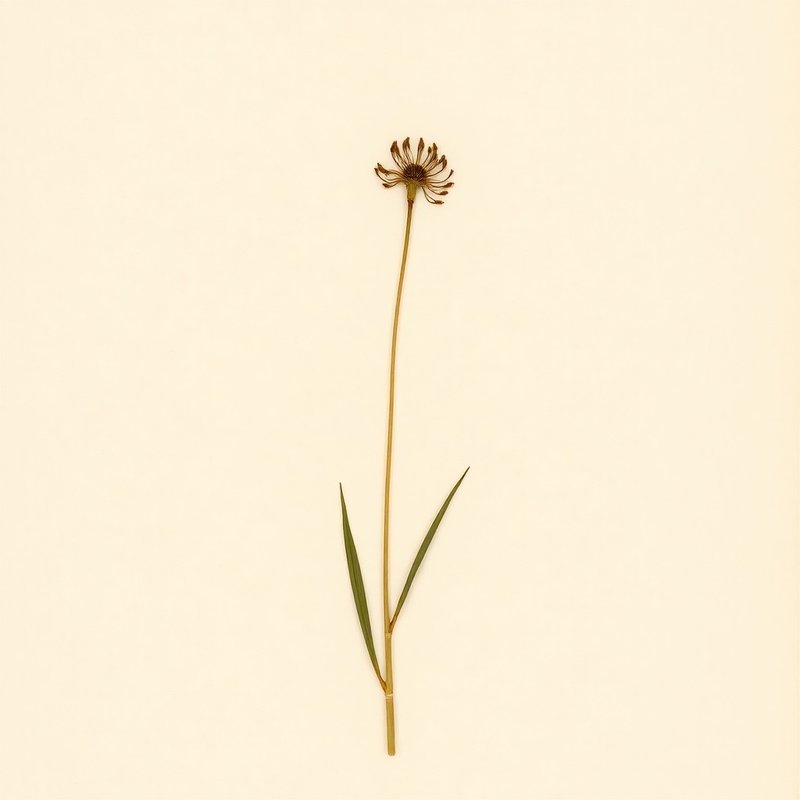
1 image
Specimen gallery
1 imageXSee also
8 related
See also
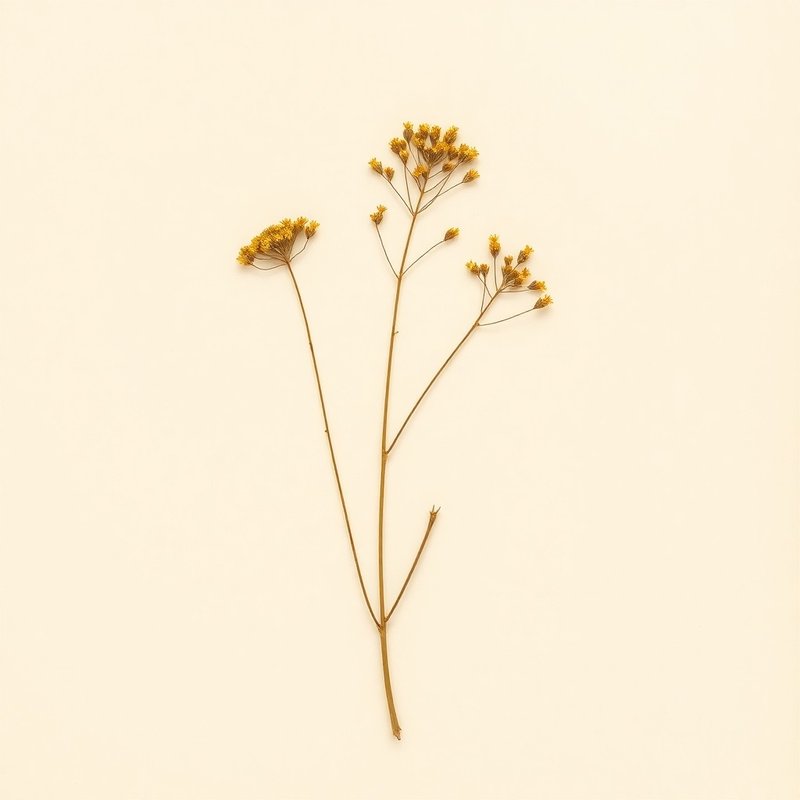
8 relatedPlants you might compare or use together — scored by shared family (Asteraceae), common use cases, and growing requirements.
same family · Asteraceae
Botanical relatives — often share phytochemistry + growing needs.



XI
Explore further
Companion planting
Compare with similar plants
XII
About this entry
- Last updated
- Citation
- How to cite this entry · Submit a correction
Back to the cataloguePlant id · c0f4eb28-a154-42ea-8282-88e4676b46d9
Decision aid
Choosing between Gnaphalium hypoleucum and something else?
Continue reading
❦❦❦❦
Endpaper · archive updates
Get archive updates
Occasional email when substantial new content lands — plant profiles, seasonal growing notes, folk-remedy additions. Free, no tracking, unsubscribe anytime.