
Crataegus laciniata
Crataegus laciniatafam. Rosaceae
Educational content — not medical, botanical, or professional advice. Always consult a qualified clinician before using any herbal preparation — especially during pregnancy, breastfeeding, while on medication, or for children. How we source & review →
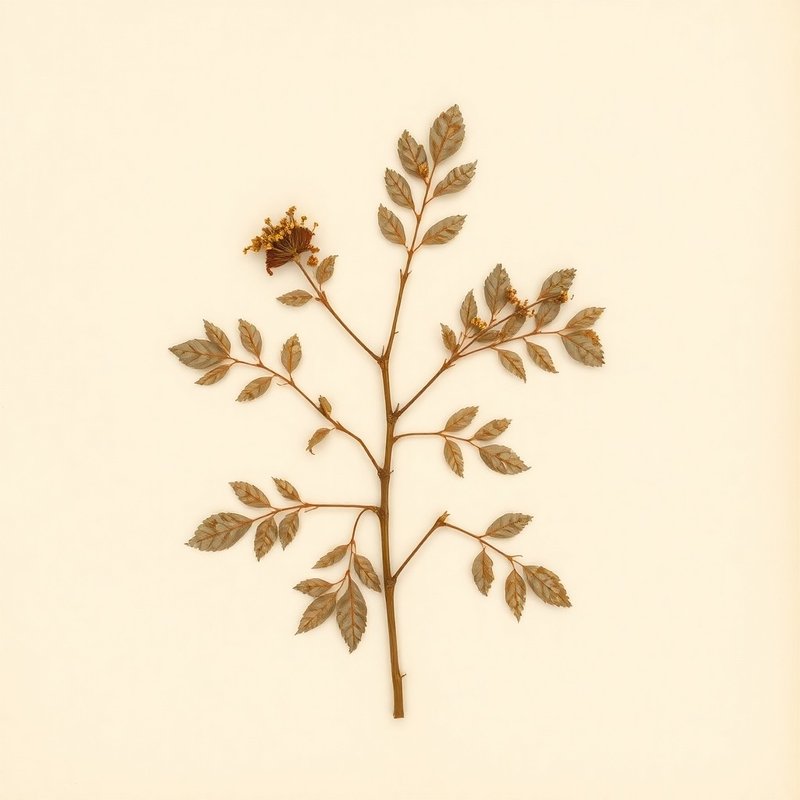
Pl. 049F — Crataegus laciniata
Crataegus laciniataCrataegus laciniataCrataegus laciniataCrataegus laciniataCrataegus laciniataCrataegus laciniataCrataegus laciniataCrataegus laciniataCrataegus laciniataCrataegus laciniataCrataegus laciniataCrataegus laciniataCrataegus laciniataCrataegus laciniata
IOverview
Overview
Crataegus laciniata, commonly known as the English Hawthorn, belongs to the Rosaceae family and is native to Algeria, Morocco, Sicilia, and Spain. This deciduous shrub or small tree thrives in moist to wet conditions with light to partial sun exposure, making it adaptable to various soil types including sandy, medium, and clay soils. Hardy from zones 5-9, C. laciniata reaches a height of about 6 meters and is valued for its edible fruit, which can be used in jams, jellies, and other culinary applications. Additionally, the plant has been utilized medicinally for centuries due to its potential cardiovascular benefits. One distinctive feature of this species is its deeply lobed leaves, which add an ornamental touch to gardens.
Quick answers
What is Crataegus laciniata?
Crataegus laciniata, commonly known as the English Hawthorn, belongs to the Rosaceae family and is native to Algeria, Morocco, Sicilia, and Spain.
What is Crataegus laciniata used for?
Traditionally used for immune support. Each claim is evidence-rated — see Section II for full citations.
Best for
Top 1 evidence-ranked use of Crataegus laciniata
Clinicaluses · safety · chemistry · dosagemedicinal profile
IIBenefits & evidence
1 claim · 0 sources
Benefits & evidence
1 claim · 0 sources- Traditionally used for immune support, Crataegus laciniata is recommended as a tea infusion or tincture according to the European Medicines Agency (EMA).
Mechanism not fully characterised in modern literature; traditional attribution predates chemistry. Contains flavonoids and phenolic acids typical for the Rosaceae family.
IV·bMixology suggestions
1 draft
Mixology suggestions
1 draftEditorial drafts. These pairings are AI-suggested from traditional herbal lore. Always verify with a qualified herbalist before brewing.
Heart Harmony
immunetincture
Traditionally used to support cardiovascular health.
Growingconditions · propagation · uses
VCultivation
Cultivation
Crataegus laciniata thrives in full sun to partial shade and prefers moist to wet soils that are light (sandy), medium, or heavy (clay). It is hardy in zones 5-9 and can grow up to 6 meters tall. For optimal fruit production, ensure the soil remains consistently moist while avoiding waterlogged conditions. This plant is suitable for gardeners in temperate regions with a wide range of soil types but prefers well-drained soils to prevent root rot. Propagation can be done through seeds or cuttings.
Light
Full sun, Partial sun/shade
Water
Moist, Wet
Soil
Light (sandy), Medium, Heavy (clay)
Hardiness
5-9
Mature size
6.0 m tall
For first-time growers
How to grow Crataegus laciniata for the first time
7steps
Start with planting Skip in a sunny spot and follow these beginner-friendly steps.
- 1
What you'll need
Skip plant, garden gloves, trowel, watering can.
- 2
Best time to plant
Plant Skip in spring or fall when the weather is cooler.
- 3
Soil and container prep
Ensure soil is moist, well-draining, and rich in organic matter. For containers, use a pot with drainage holes.
- 4
Sowing or transplanting
Transplant Skip from a nursery pot to your garden bed or keep it in its current container if small.
- 5
First two weeks
Water regularly to keep the soil moist. Monitor for any signs of stress and adjust watering accordingly.
- 6
Ongoing care
Provide full sun to partial shade, water when the top inch of soil feels dry, and mulch around the base to retain moisture.
- 7
Harvest or pruning
Prune in late winter before new growth starts. Remove dead or crossing branches for better air circulation.
VIEdible & utility
Edible & utility
Edible parts:Fruit
Edible uses: The fruit of Crataegus laciniata is edible and can be eaten raw or used in various preparations. It is often consumed fresh but can also be dried for later use. The fruit can be incorporated into jams, jellies, and other preserves to add a unique flavor to these treats.
Other uses:LumberFragrance
Contextrange · companions · related
VIIDistribution
4 native · 1 introduced
Distribution
4 native · 1 introducedDistribution across3 continents· 4 native· 1 introduced
Europe2 regions
native (2)ItalySpain
Americas1 region
introduced (1)Ecuador
Africa2 regions
native (2)AlgeriaMorocco
IXSpecimen gallery
1 image
Specimen gallery
1 imageXSee also
8 related
See also
8 relatedPlants you might compare or use together — scored by shared family (Rosaceae), common use cases, and growing requirements.
same family · Rosaceae
Botanical relatives — often share phytochemistry + growing needs.

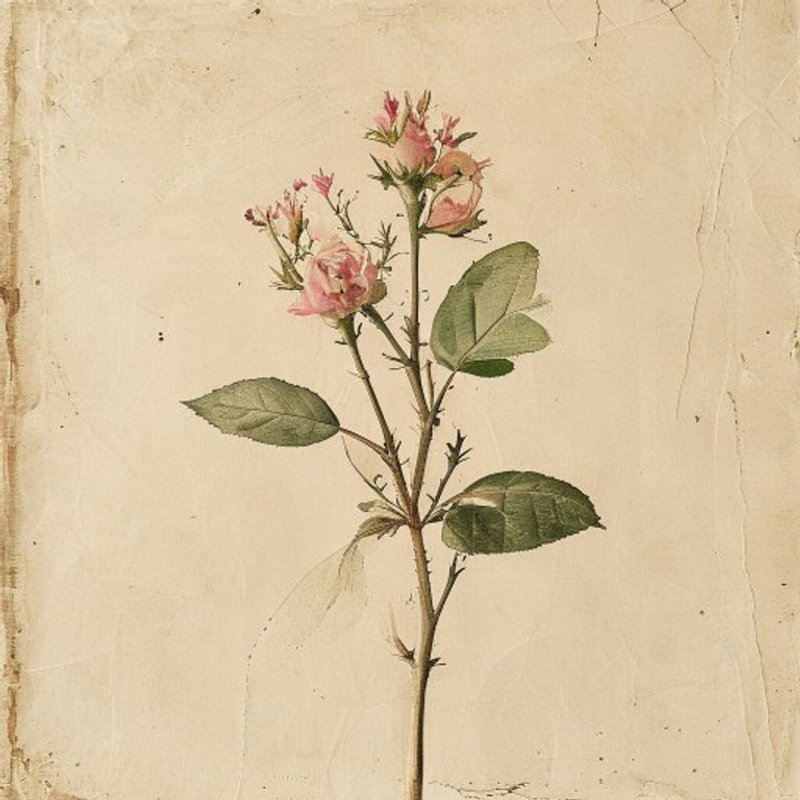
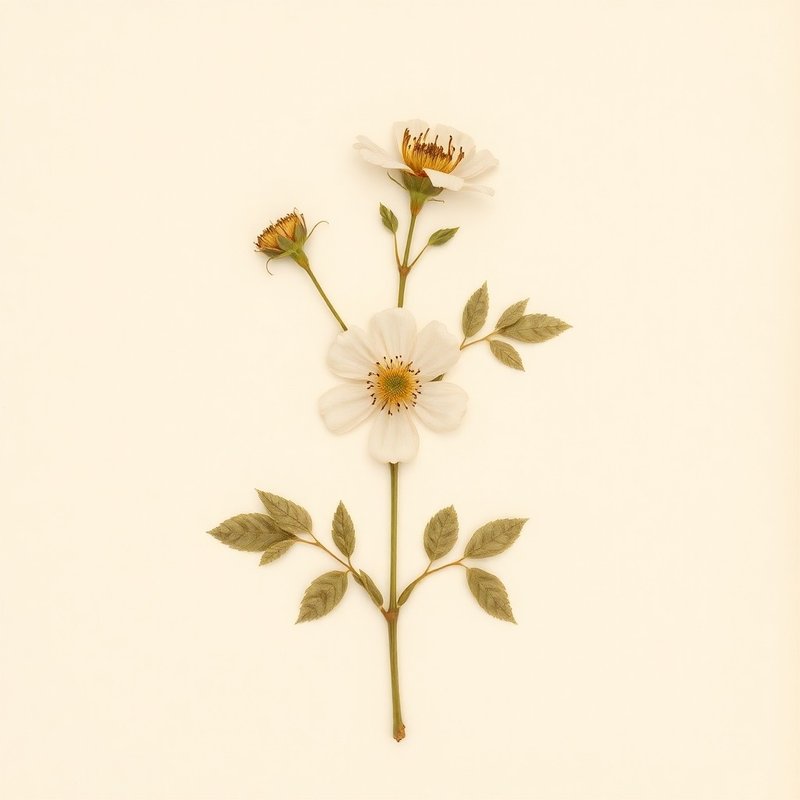
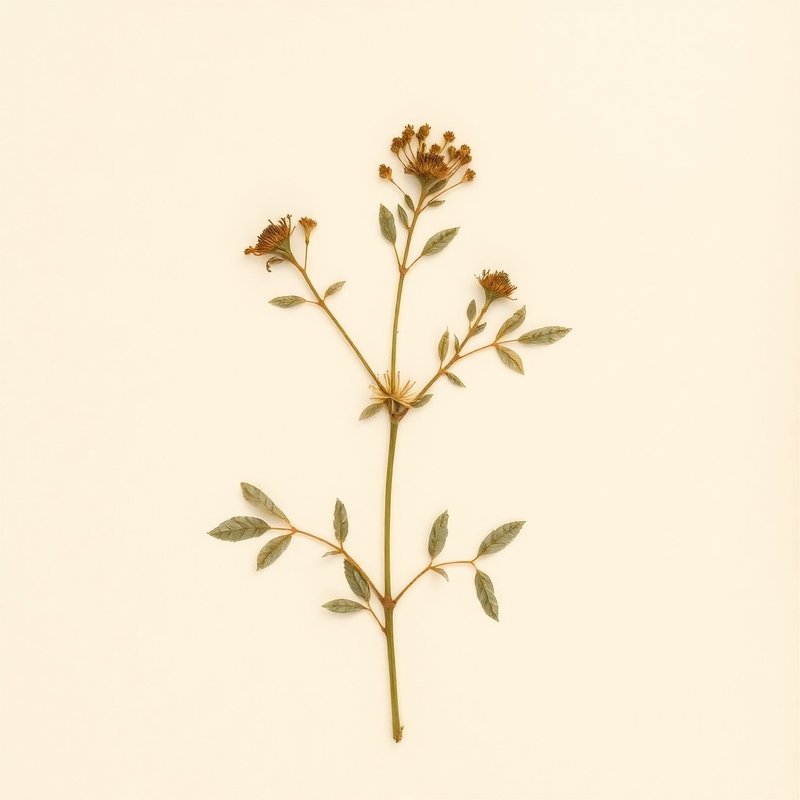
shared use cases
Different families, similar therapeutic role — good for comparing.
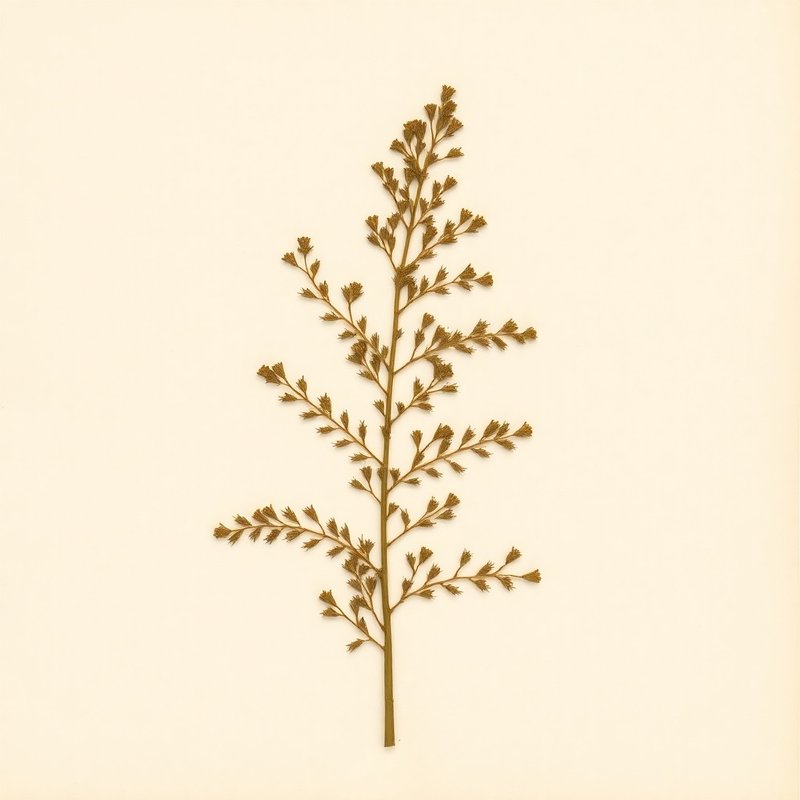
XI
Explore further
Companion planting
Compare with similar plants
Growing zone
XII
About this entry
- Last updated
- Citation
- How to cite this entry · Submit a correction
Back to the cataloguePlant id · 049f8343-e26a-4477-ba42-651d10105d69
Decision aid
Choosing between Crataegus laciniata and something else?
Continue reading
❦❦❦❦
Endpaper · archive updates
Get archive updates
Occasional email when substantial new content lands — plant profiles, seasonal growing notes, folk-remedy additions. Free, no tracking, unsubscribe anytime.