
Tansy-Leaved Thorn
IOverview
Overview
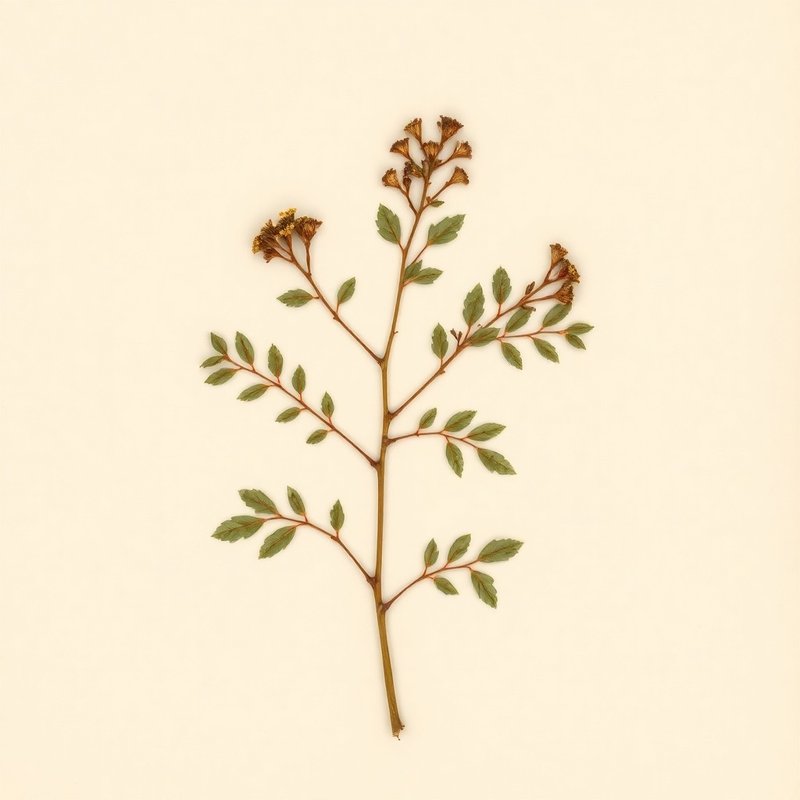
Tansy-Leaved Thorn, scientifically known as *Crataegus tanacetifolia*, is a deciduous shrub native to Turkey. This plant thrives in a variety of soil types, including light (sandy), medium, and heavy (clay), and can adapt to both dry and moist conditions. It prefers full sun or partial shade and can grow up to 10 meters tall, making it a notable ornamental addition to gardens. The fruit of the Tansy-Leaved Thorn is edible and can be consumed raw or used in various culinary preparations. Its distinctive feature includes its thorny branches and finely divided, light green leaves that resemble those of tansy, hence its common name. The plant's leaves and flowers have also been used in traditional medicine, highlighting its medicinal value. While it is generally safe, caution should be exercised when using any part of the plant for medicinal purposes, as traditional uses do not necessarily equate to modern medical recommendations. Tansy-Leaved Thorn's adaptability and ornamental value make it a versatile addition to gardens and landscapes.
What is Tansy-Leaved Thorn?
Tansy-Leaved Thorn, scientifically known as *Crataegus tanacetifolia*, is a deciduous shrub native to Turkey. This plant thrives in a variety of soil types, including light (sandy), medium, and heavy (clay), and can adapt to both dry and moist conditions.
IV·bMixology suggestions
1 draft
Mixology suggestions
1 draftVCultivation
Cultivation
How to grow Tansy-Leaved Thorn for the first time
Start with Tansy-Leaved Thorn in a sunny spot, and it will thrive with minimal effort.
- 1
What you'll need
A young plant or seeds, a trowel, and some compost.
- 2
Best time to plant
Plant in spring after the last frost or in fall before the first freeze.
- 3
Soil and container prep
Choose a spot with well-draining soil that can be dry, moist, or wet. Ensure it gets full sun to partial shade.
- 4
Sowing or transplanting
Transplant young plants in early spring or sow seeds directly where they will grow in late winter or early spring.
- 5
First two weeks
Water the plant regularly during this period, keeping the soil moist but not waterlogged.
- 6
Ongoing care
Water when dry and prune to maintain shape. Watch for pests like aphids.
- 7
Harvest or pruning
Prune in late winter to early spring to encourage new growth and remove any dead branches.
- 8
Common mistakes
Overwatering, planting in too shady a spot, not providing enough space for the plant's size.
VIEdible & utility
Edible & utility
VIIDistribution
1 native · 0 introduced
Distribution
1 native · 0 introducedIXSpecimen gallery
1 image
Specimen gallery
1 imageXSee also
8 related
See also
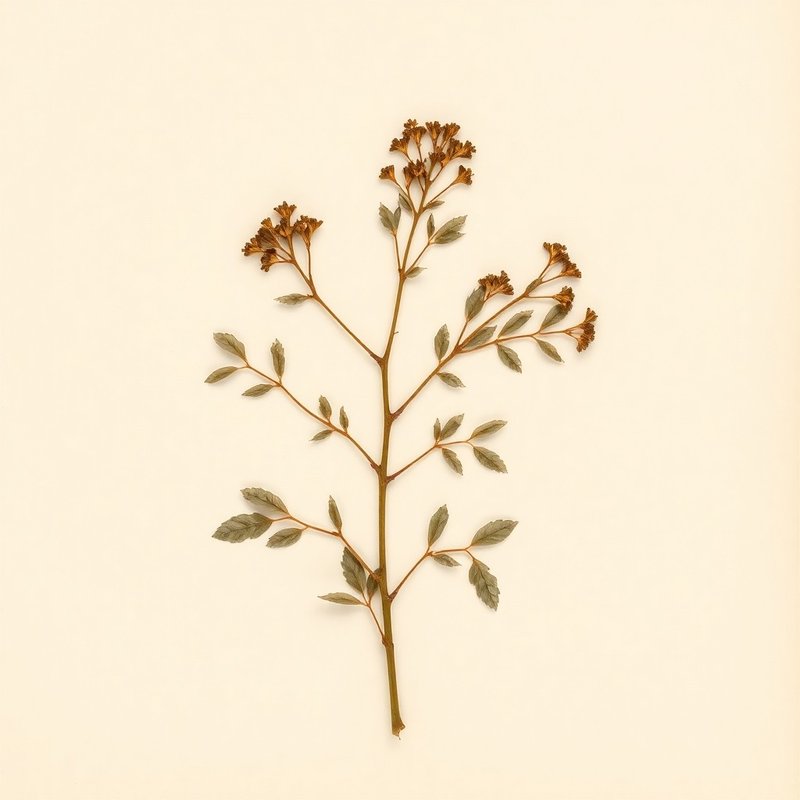
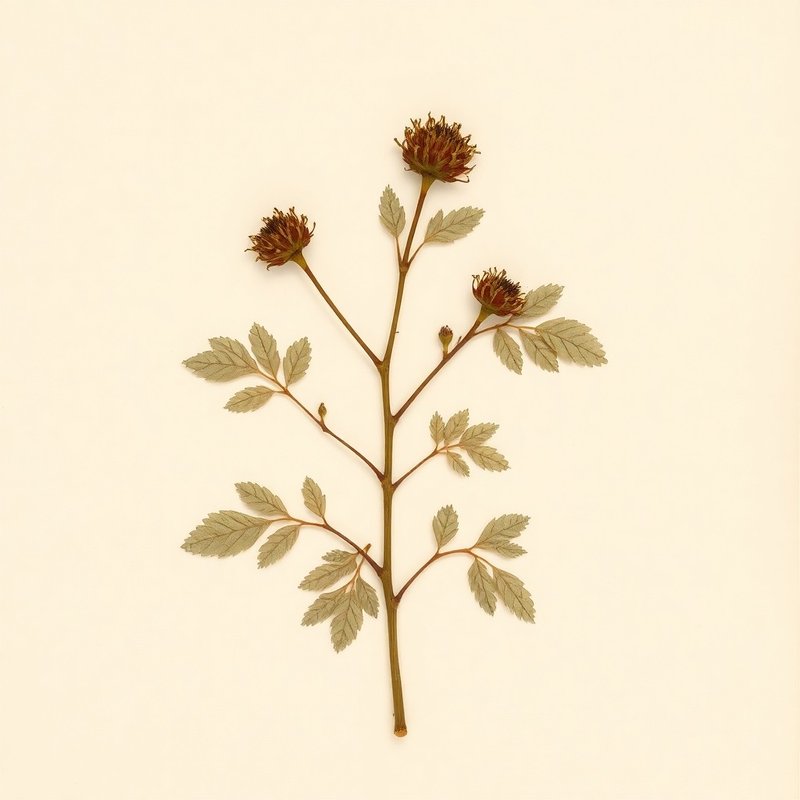
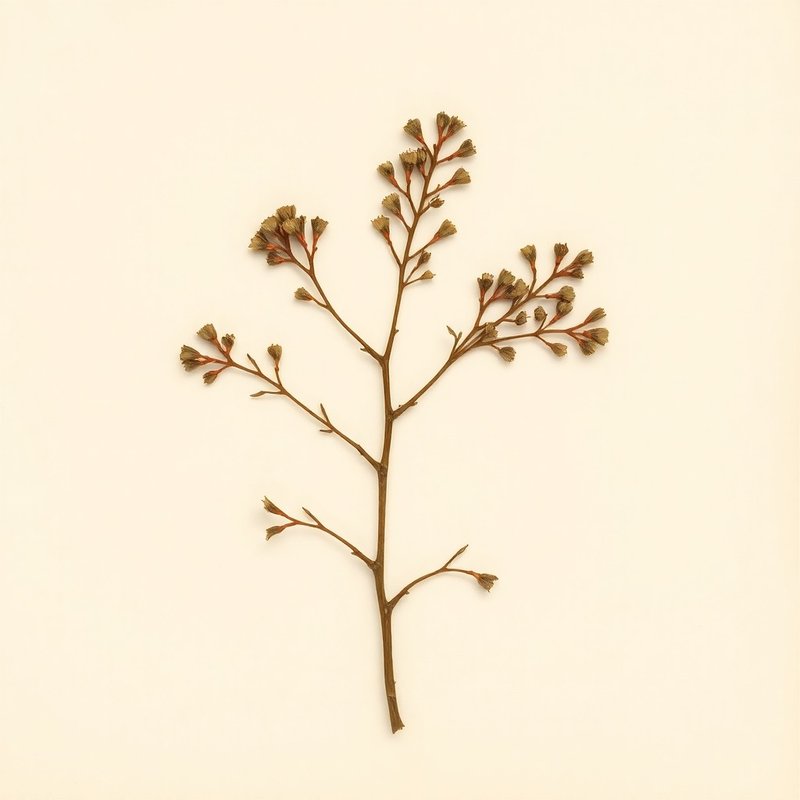
8 relatedPlants you might compare or use together — scored by shared family (Rosaceae), common use cases, and growing requirements.

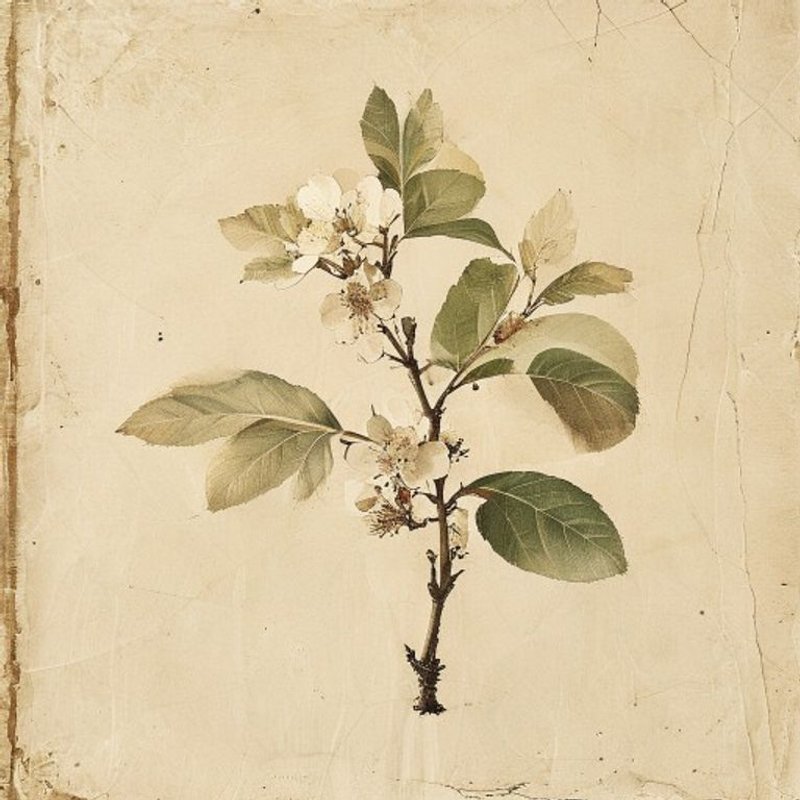
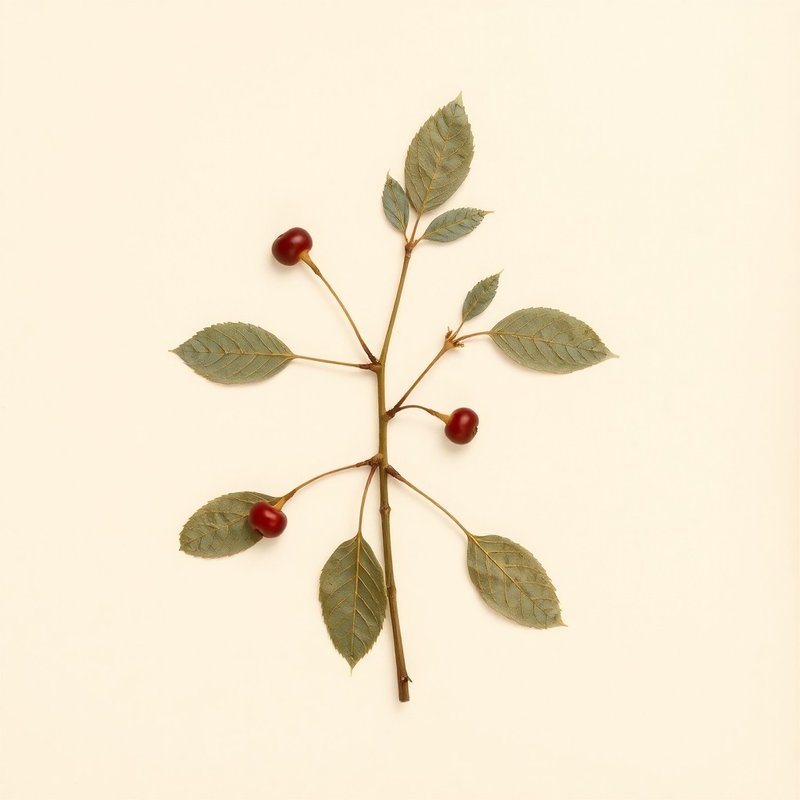
Explore further
About this entry
- Last updated
- Citation
- How to cite this entry · Submit a correction
Continue reading
Get archive updates
Occasional email when substantial new content lands — plant profiles, seasonal growing notes, folk-remedy additions. Free, no tracking, unsubscribe anytime.