
Bailey's dewberry
Rubus baileyanusfam. Rosaceae
Educational content — not medical, botanical, or professional advice. Always consult a qualified clinician before using any herbal preparation — especially during pregnancy, breastfeeding, while on medication, or for children. How we source & review →
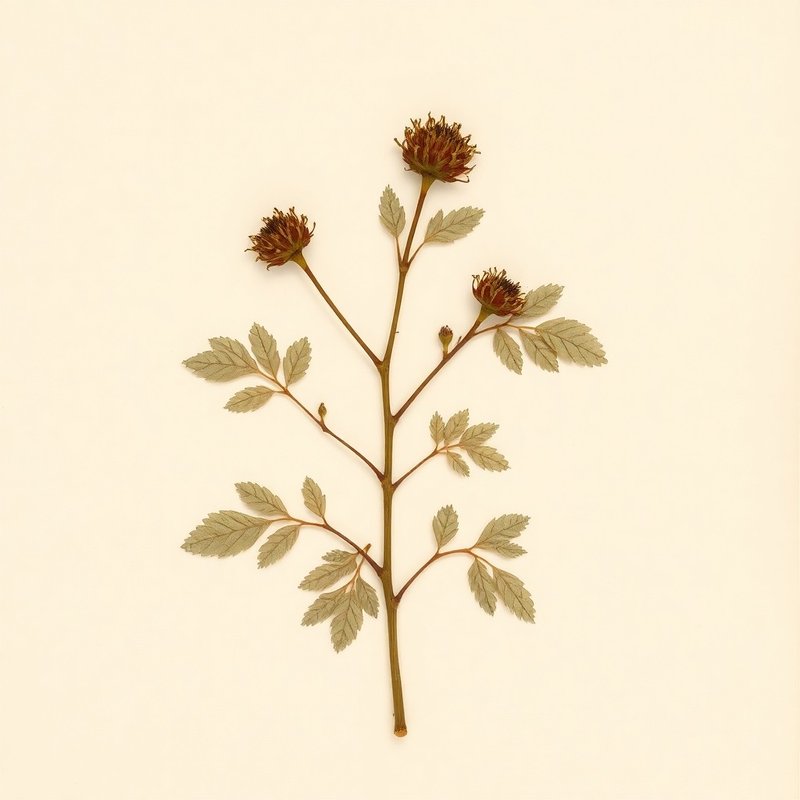
Pl. 57CA — Rubus baileyanus
Rubus baileyanusRubus baileyanusRubus baileyanusRubus baileyanusRubus baileyanusRubus baileyanusRubus baileyanusRubus baileyanusRubus baileyanusRubus baileyanusRubus baileyanusRubus baileyanusRubus baileyanusRubus baileyanus
IOverview
Overview
Bailey's dewberry (Rubus baileyanus) is a member of the Rosaceae family and is native to several eastern and southern United States states as well as parts of Mexico. This plant thrives in diverse habitats including Alabama, Arizona, Arkansas, Connecticut, Delaware, Florida, Georgia, Illinois, Indiana, Iowa, Kansas, Kentucky, Louisiana, Maine, Maryland, Michigan, Minnesota, Mississippi, Missouri, Nebraska, New Brunswick, New Hampshire, New Jersey, New Mexico, New York, North Carolina, Nova Scotia, Ohio, Oklahoma, Ontario, Pennsylvania, Prince Edward Island, Québec, Rhode Island, South Carolina, Tennessee, Texas, Vermont, Virginia, and West Virginia. Known for its edible fruit and documented medicinal use, Bailey's dewberry can be found in various environments such as dry to moist soils, light (sandy), medium, or heavy (clay) soil types. It prefers full sun to partial shade and grows up to 1 meter tall, making it a distinctive and valuable addition to botanical gardens and natural landscapes.
Quick answers
What is Bailey's dewberry?
Bailey's dewberry (Rubus baileyanus) is a member of the Rosaceae family and is native to several eastern and southern United States states as well as parts of Mexico.
IV·bMixology suggestions
2 drafts
Mixology suggestions
2 draftsEditorial drafts. These pairings are AI-suggested from traditional herbal lore. Always verify with a qualified herbalist before brewing.
Digestive Harmony
digestiontincture
Historically used for digestive support.
Growingconditions · propagation · uses
VCultivation
Cultivation
Bailey's dewberry thrives in full sun to partial shade and prefers moist to dry conditions. It grows well in light (sandy), medium, or heavy (clay) soil types. The plant reaches a height of about 1 meter and is native to a wide range of southeastern and central United States states as well as parts of Canada. For propagation, gardeners can use tip cuttings or division methods. While hardiness varies across its natural range, it generally prefers temperate regions.
Light
Full sun, Partial sun/shade
Water
Dry, Moist
Soil
Light (sandy), Medium, Heavy (clay)
Mature size
1.0 m tall
For first-time growers
How to grow Bailey's dewberry for the first time
8steps
Start with a simple, low-maintenance approach to growing Bailey's dewberry.
- 1
What you'll need
A suitable location, seeds or young plants, and basic gardening tools like a trowel.
- 2
Best time to plant
Plant in spring after the last frost or in early fall before temperatures drop below 40°F (4°C).
- 3
Soil and container prep
Choose a location with light to partial shade, well-draining soil. Amend heavy clay soils with sand.
- 4
Sowing or transplanting
Direct sow seeds in the ground or start young plants indoors 4-6 weeks before planting outside.
- 5
First two weeks
Water regularly to keep the soil moist but not waterlogged. Monitor for pests and diseases.
- 6
Ongoing care
Provide light to partial shade, water when the top inch of soil feels dry, and mulch to retain moisture.
- 7
Harvest or pruning
Prune in late winter before new growth starts. Harvest fruit when it turns dark purple.
- 8
Common mistakes
Overwatering, planting in heavy clay soils without amending, neglecting winter pruning.
VIEdible & utility
Edible & utility
Edible parts:Fruit
Edible uses: The Bailey's dewberry is edible and its fruit can be eaten fresh or used in various preparations. The fruit is typically enjoyed raw but can also be dried for later use. It adds a sweet flavor to jams and jellies as well.
Other uses:Dye
Contextrange · companions · related
VIIDistribution
30 native · 0 introduced
Distribution
30 native · 0 introducedDistribution across1 continent· 30 native
Asia1 region
native (1)Georgia
Broader regions
native:Alabama, Arizona, Arkansas, Connecticut, Delaware, District of Columbia, Florida, Illinois, Indiana, Iowa, Kansas, Kentucky, Louisiana, Maine, Maryland, Mexico Central, Mexico Northeast, Mexico Northwest, Mexico Southwest, Michigan, Minnesota, Mississippi, Missouri, Nebraska, New Brunswick, New Hampshire, New Jersey, New Mexico, New York
IXSpecimen gallery
1 image
Specimen gallery
1 imageXSee also
8 related
See also
8 relatedPlants you might compare or use together — scored by shared family (Rosaceae), common use cases, and growing requirements.
same family · Rosaceae
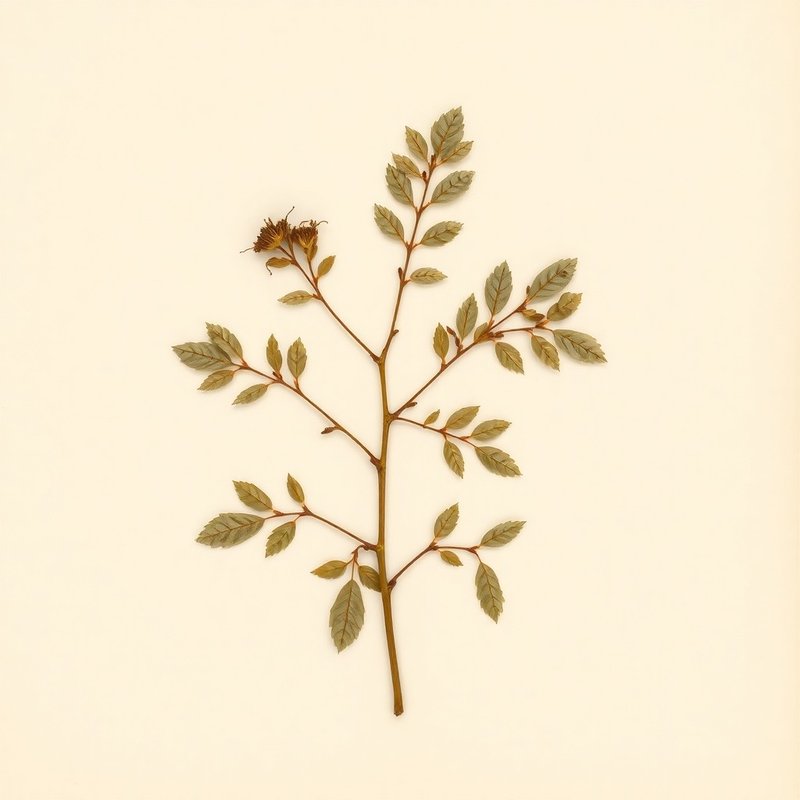
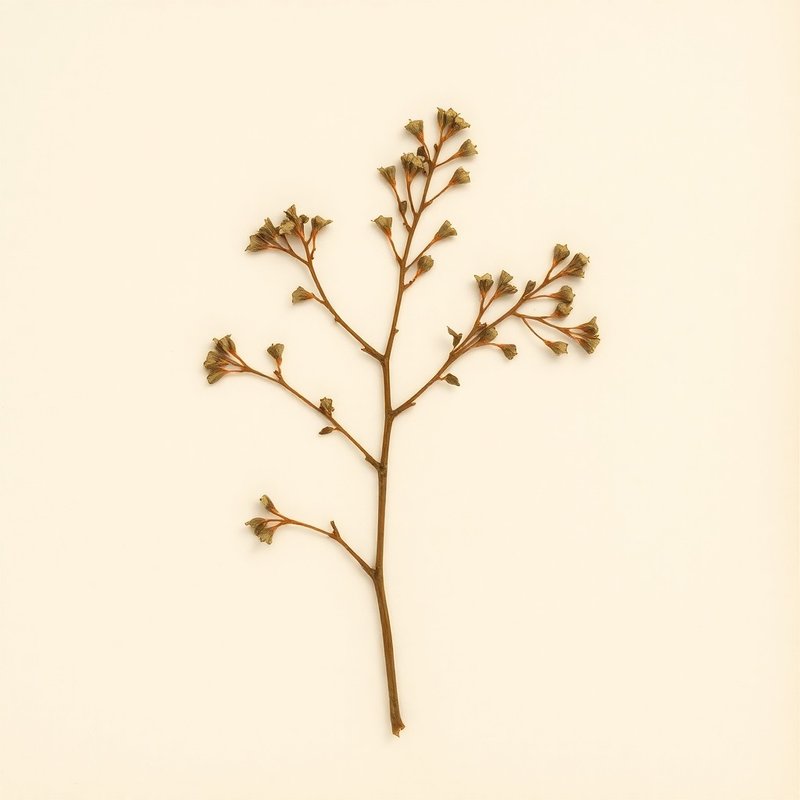
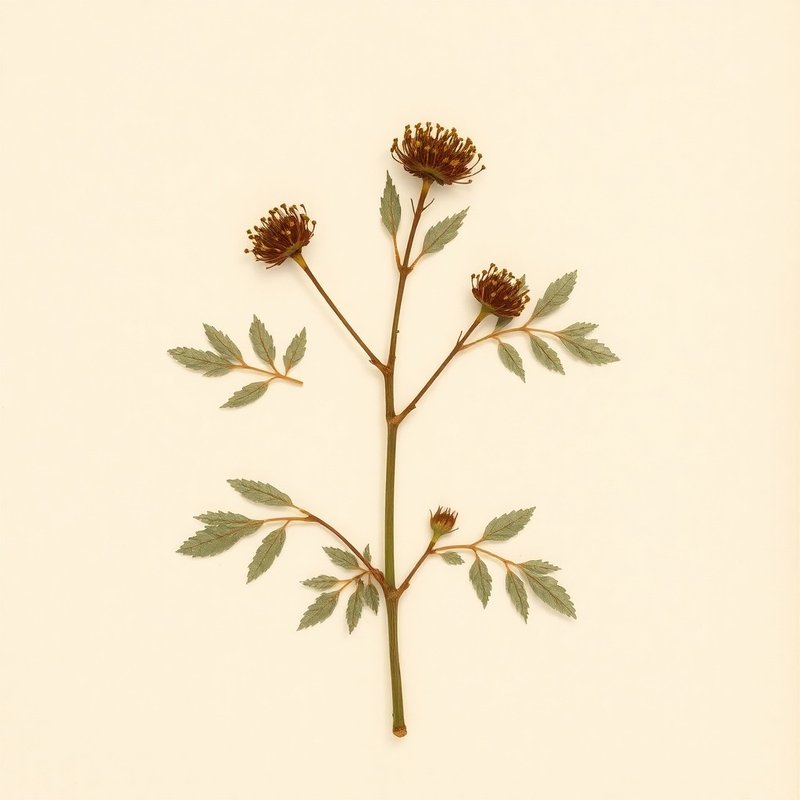
Botanical relatives — often share phytochemistry + growing needs.
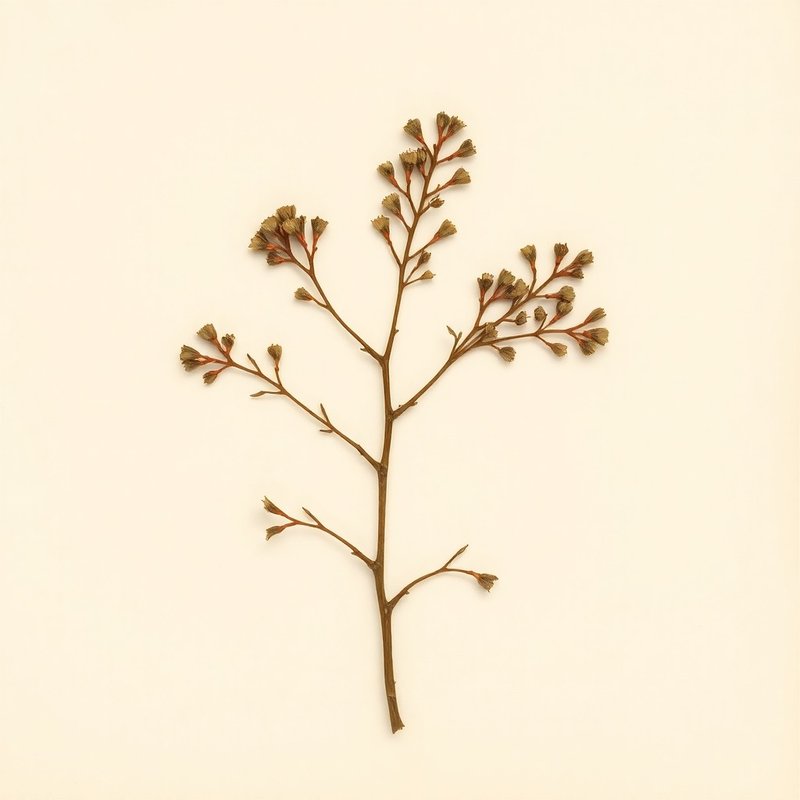
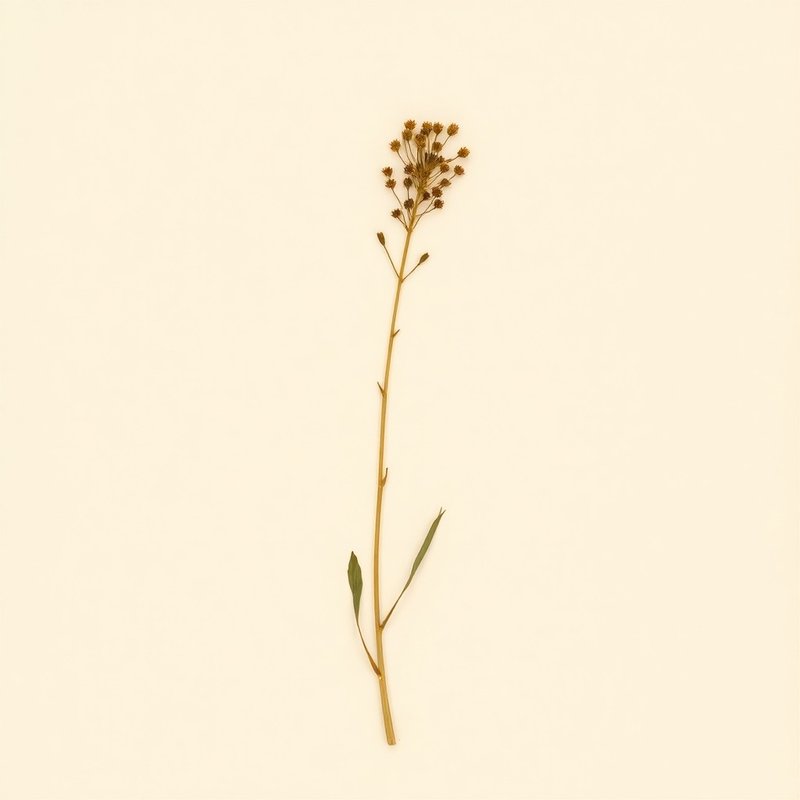

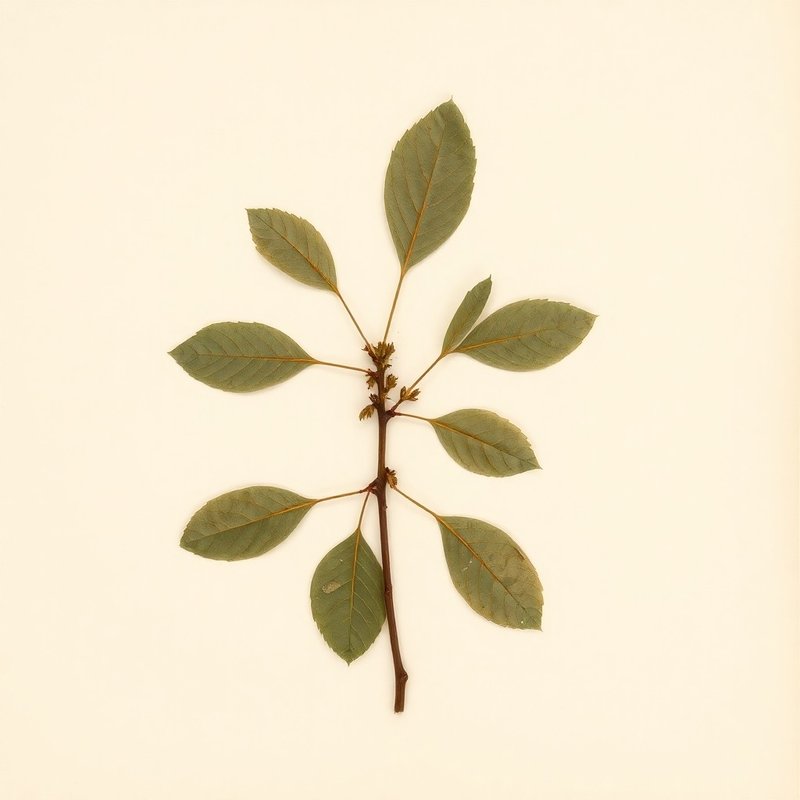

XI
Explore further
Companion planting
Compare with similar plants
XII
About this entry
- Last updated
- Citation
- How to cite this entry · Submit a correction
Back to the cataloguePlant id · 57caf65b-5894-4e64-8158-c5bb980e7556
Decision aid
Choosing between Bailey's dewberry and something else?
Continue reading
❦❦❦❦
Endpaper · archive updates
Get archive updates
Occasional email when substantial new content lands — plant profiles, seasonal growing notes, folk-remedy additions. Free, no tracking, unsubscribe anytime.