
Cucumis anguria
Cucumis anguria
Educational content — not medical, botanical, or professional advice. Plant identification, safety, and edibility depend on local conditions, cultivars, and correct identification. Consult a qualified botanist or forager before consuming or handling wild specimens. How we source & review →
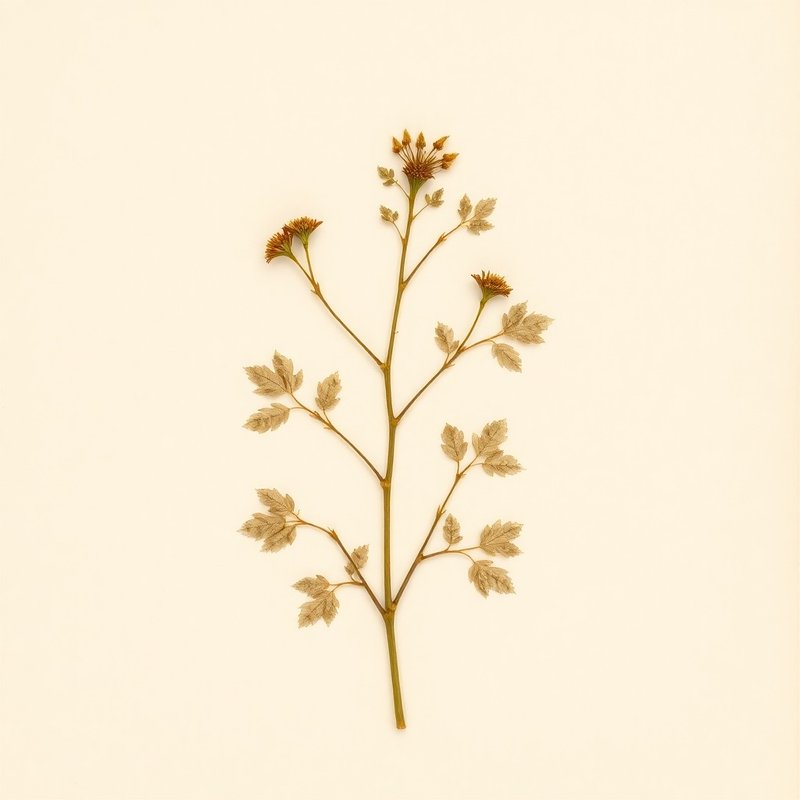
Pl. BDE0 — Cucumis anguria
Cucumis anguriaCucumis anguriaCucumis anguriaCucumis anguriaCucumis anguriaCucumis anguriaCucumis anguriaCucumis anguriaCucumis anguriaCucumis anguriaCucumis anguriaCucumis anguriaCucumis anguriaCucumis anguria
IOverview
Overview
Cucumis anguria, commonly known as the West African gourd or snake gourd, is a vine and herb native to Angola, Botswana, KwaZulu-Natal, Malawi, Mozambique, Namibia, Northern Provinces, Swaziland, Tanzania, Zambia, and Zaïre. This plant thrives in full sun with moist soil that can be light (sandy), medium, or heavy (clay). It is an annual reaching heights of up to 2.4 meters and is known for its edible fruit, leaves, and seeds. Cultivated for its culinary uses, Cucumis anguria is valued in various African cuisines. Its distinctive feature includes the elongated, snake-like shape of its fruit, which can be used in soups, stews, and pickles.
Quick answers
What is Cucumis anguria?
Cucumis anguria, commonly known as the West African gourd or snake gourd, is a vine and herb native to Angola, Botswana, KwaZulu-Natal, Malawi, Mozambique, Namibia, Northern Provinces, Swaziland, Tanzania, Zambia, and Zaïre.
Growingconditions · propagation · uses
VCultivation
Cultivation
Cucumis anguria thrives in full sun and requires moist soil that can be light (sandy), medium, or heavy (clay). It is an annual vine that grows up to 2.4 meters tall and produces edible fruit, leaves, and seeds. Hardy in temperate regions, it is suitable for cultivation where temperatures range from zones 9-11. Ensure the soil remains consistently moist while providing ample sunlight for optimal growth.
Light
Full sun
Water
Moist
Soil
Light (sandy), Medium, Heavy (clay)
Hardiness
9-11
Life cycle
Annual
Habit
Vine, Forb/herb
Mature size
2.4 m tall
- Days to harvest
- 65
For first-time growers
How to grow Cucumis anguria for the first time
8steps
Start with a simple, sunny spot and basic soil preparation for your first attempt at growing Cucumis anguria.
- 1
What you'll need
Seeds or seedlings, a trellis or support structure, garden tools like a trowel.
- 2
Best time to plant
Plant in late spring after the last frost when temperatures are consistently above 15°C (60°F).
- 3
Soil and container prep
Choose a well-draining soil with plenty of organic matter. Ensure containers are at least 30 cm deep for good root growth.
- 4
Sowing or transplanting
Direct sow seeds 2-3 cm deep, spaced about 30 cm apart in rows 60 cm apart. Transplant seedlings when they have two true leaves.
- 5
First two weeks
Keep the soil consistently moist and provide light shade if temperatures are very high to prevent leaf scorch.
- 6
Ongoing care
Water regularly, especially during dry spells. Fertilize every 4-6 weeks with a balanced organic fertilizer.
- 7
Harvest or pruning
Prune vines to maintain shape and encourage fruiting. Harvest fruits when they are firm and about the size of a small apple.
- 8
Common mistakes
Overwatering, planting too early in cold soil, not providing enough support for the vines.
VIEdible & utility
Edible & utility
Edible parts:FruitLeavesSeed
Edible uses: The fruit and leaves of Cucumis anguria are edible. The fruit can be eaten raw or cooked, while the leaves are often used fresh in salads or cooked as a vegetable. Seeds from this plant can also be consumed after proper preparation.
Contextrange · companions · related
VIIDistribution
12 native · 18 introduced
Distribution
12 native · 18 introducedDistribution across2 continents· 12 native· 18 introduced
Americas4 regions
introduced (4)BelizeBoliviaCosta RicaDominican Republic
Africa12 regions
native (9)AngolaBotswanaEswatiniMalawiMozambiqueNamibiaTanzaniaZambiaZimbabwe
introduced (3)Burkina FasoCabo VerdeComoros
Broader regions
native:KwaZulu-Natal, Zaïre, Northern Provinces
introduced:Argentina Northwest, Cape Provinces, California, Argentina Northeast, Brazil West-Central, Brazil Southeast, Brazil South, Brazil Northeast, Brazil North, Cayman Is., Aruba
IXSpecimen gallery
1 image
Specimen gallery
1 imageXI
Explore further
Companion planting
Growing zone
XII
About this entry
- Last updated
- Citation
- How to cite this entry · Submit a correction
Back to the cataloguePlant id · bde02f6e-e753-4a16-9506-bd56bbffae08
Decision aid
Choosing between Cucumis anguria and something else?
Continue reading
❦❦❦❦
Endpaper · archive updates
Get archive updates
Occasional email when substantial new content lands — plant profiles, seasonal growing notes, folk-remedy additions. Free, no tracking, unsubscribe anytime.