
Cucumis metuliferus
Cucumis metuliferus
Educational content — not medical, botanical, or professional advice. Plant identification, safety, and edibility depend on local conditions, cultivars, and correct identification. Consult a qualified botanist or forager before consuming or handling wild specimens. How we source & review →
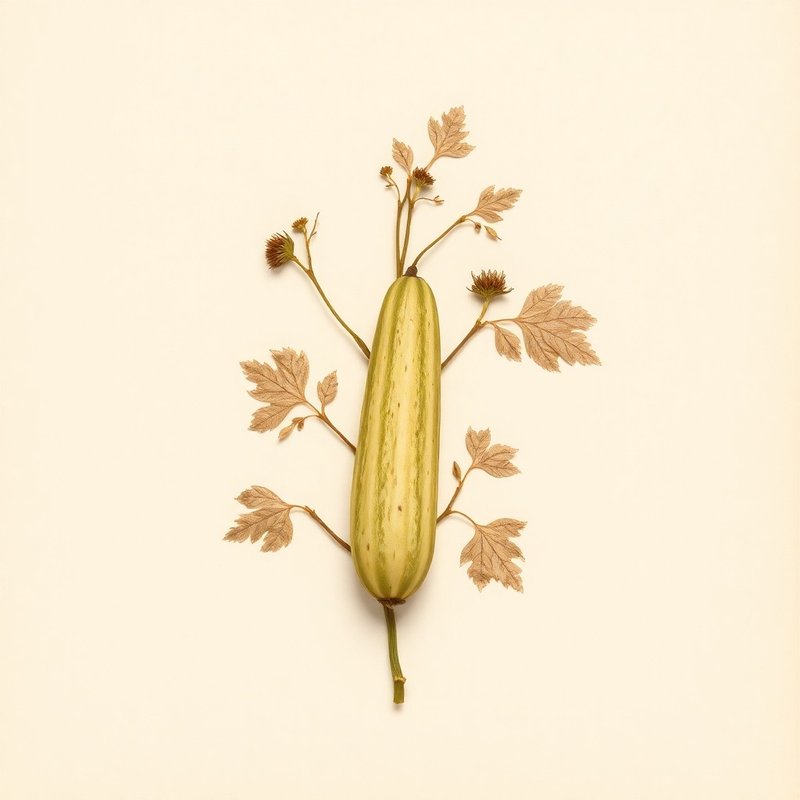
Pl. D28E — Cucumis metuliferus
Cucumis metuliferusCucumis metuliferusCucumis metuliferusCucumis metuliferusCucumis metuliferusCucumis metuliferusCucumis metuliferusCucumis metuliferusCucumis metuliferusCucumis metuliferusCucumis metuliferusCucumis metuliferusCucumis metuliferusCucumis metuliferus
IOverview
Overview
Cucumis metuliferus, known as the African cucumber or kiwano, is a vine and herb native to regions across Africa including Angola, Benin, Botswana, Burkina Faso, Cameroon, and others. This plant thrives in full sun with moist soil that can be light (sandy), medium, or heavy (clay). It has an annual life cycle and can grow up to 15 feet tall. The fruit is edible and often used for its unique texture and flavor, while the leaves and seeds are also considered useful. Its distinctive feature includes a spiky, orange-to-green skin that contrasts with the jelly-like, lime-green interior, making it an interesting ornamental plant as well.
Quick answers
What is Cucumis metuliferus?
Cucumis metuliferus, known as the African cucumber or kiwano, is a vine and herb native to regions across Africa including Angola, Benin, Botswana, Burkina Faso, Cameroon, and others. This plant thrives in full sun with moist soil that can be light (sandy), medium, or heavy (clay).
Growingconditions · propagation · uses
VCultivation
Cultivation
Cucumis metuliferus thrives in full sun and requires moist soil that is well-draining but can tolerate light (sandy), medium, or heavy (clay) textures. This vine grows up to 15 feet tall and is hardy in zones 9-11, making it suitable for temperate regions. Propagation is best done through seeds, which should be sown directly into the ground after the last frost. The plant produces edible fruit, leaves, and seeds, adding versatility to its culinary uses.
Light
Full sun
Water
Moist
Soil
Light (sandy), Medium, Heavy (clay)
Hardiness
9-11
Life cycle
Annual
Habit
Vine, Forb/herb
Mature size
15 ft m tall
For first-time growers
How to grow Cucumis metuliferus for the first time
8steps
Start with a simple, sunny spot and basic soil preparation for your first Cucumis metuliferus.
- 1
What you'll need
Seeds or seedlings, containers or garden space, potting mix, water.
- 2
Best time to plant
Plant in late spring after the last frost when temperatures are consistently above 60°F (15°C).
- 3
Soil and container prep
Use well-draining soil with a pH between 6.0 and 7.0. Ensure containers are at least 5 gallons for each plant.
- 4
Sowing or transplanting
Start seeds indoors about 4-6 weeks before the last frost, then transplant outdoors once they have two true leaves.
- 5
First two weeks
Keep soil consistently moist and provide light shade if temperatures are very high. Monitor for pests like aphids.
- 6
Ongoing care
Water regularly to keep the soil moist but not waterlogged. Provide support with a trellis or cage.
- 7
Harvest or pruning
Prune vines to encourage fruiting and remove any dead leaves. Harvest fruits when they are fully yellow and slightly soft.
- 8
Common mistakes
Overwatering, planting too late in the season, not providing enough support for vines.
VIEdible & utility
Edible & utility
Edible parts:FruitLeavesSeed
Edible uses: The fruit of Cucumis metuliferus is commonly eaten raw or used in various preparations. The leaves can be consumed fresh or cooked as a vegetable. Seeds are also utilized, often dried before use.
Other uses:Rootstock
Contextrange · companions · related
VIIDistribution
30 native · 0 introduced
Distribution
30 native · 0 introducedDistribution across2 continents· 30 native
Asia1 region
native (1)Yemen
Africa24 regions
native (24)BeninBotswanaBurkina FasoCameroonChadCôte d'IvoireEswatiniEthiopiaGabonGuineaKenyaLiberiaMalawiMozambiqueNamibiaNigerNigeriaSenegalSomaliaSudanTanzaniaUgandaZambiaZimbabwe
Broader regions
native:Central African Repu, Gulf of Guinea Is., KwaZulu-Natal, Zaïre, Northern Provinces
IXSpecimen gallery
1 image
Specimen gallery
1 imageXI
Explore further
Companion planting
Growing zone
XII
About this entry
- Last updated
- Citation
- How to cite this entry · Submit a correction
Back to the cataloguePlant id · d28e7104-89fa-4a8e-a0db-33c375d1ee2d
Decision aid
Choosing between Cucumis metuliferus and something else?
Continue reading
❦❦❦❦
Endpaper · archive updates
Get archive updates
Occasional email when substantial new content lands — plant profiles, seasonal growing notes, folk-remedy additions. Free, no tracking, unsubscribe anytime.