
Winged Pigweed
IOverview
Overview
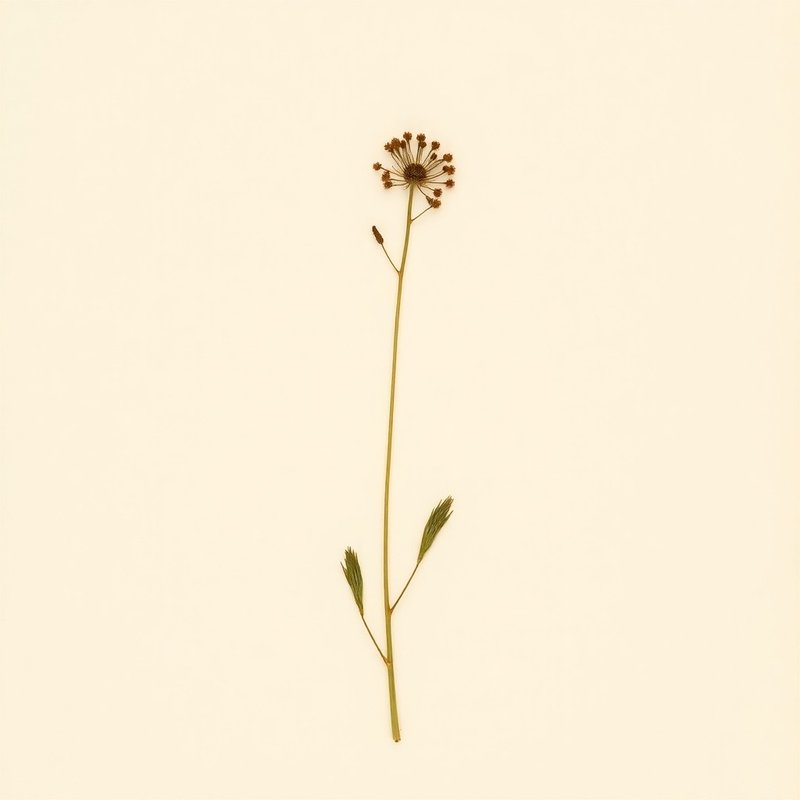
Winged Pigweed (Cycloloma atriplicifolium) is an annual forb or herb native to the central and western United States, as well as parts of Mexico and Canada, including Arizona, Arkansas, Colorado, Illinois, Indiana, Kansas, Kentucky, Manitoba, Minnesota, Missouri, Montana, Nebraska, New Mexico, North Dakota, Oklahoma, Saskatchewan, South Dakota, Tennessee, Texas, Utah, Wisconsin, and Wyoming. This plant thrives in a variety of habitats, often found in dry to moist conditions with light (sandy) to medium soil, and can grow up to 0.8 meters tall in full sun or partial shade. Its distinctive feature is the presence of wings on the seed pods, which aids in dispersal by wind. The seeds of Winged Pigweed are edible and can be harvested and consumed raw or cooked, often prepared by roasting or boiling to enhance their flavor and nutritional value. This plant is native to a wide range of regions, making it adaptable across its native range, and has been introduced to additional areas such as Alabama, Albania, Argentina, California, Connecticut, France, Hungary, Iowa, Louisiana, Maryland, Massachusetts, Michigan, New Jersey, New York, North Carolina, Ohio, Ontario, Pennsylvania, Quebec, South Carolina, Victoria, Virginia, and West Virginia. While primarily known for its edible seeds, Winged Pigweed also has potential for dye utility.
What is Winged Pigweed?
Winged Pigweed (Cycloloma atriplicifolium) is an annual forb or herb native to the central and western United States, as well as parts of Mexico and Canada, including Arizona, Arkansas, Colorado, Illinois, Indiana, Kansas, Kentucky, Manitoba, Minnesota, Missouri, Montana, Nebrask
VCultivation
Cultivation
How to grow Winged Pigweed for the first time
Winged Pigweed is a straightforward annual plant for beginners, perfect for your first gardening experience.
- 1
What you'll need
Seeds, small pots or direct planting area, garden tools like a trowel.
- 2
Best time to plant
Plant in spring after the last frost, when temperatures are mild and stable.
- 3
Soil and container prep
Choose a location with full sun to partial shade. Ensure soil is well-draining, light or medium texture.
- 4
Sowing or transplanting
Direct sow seeds 0.5 inches deep in the garden bed or start them indoors 4 weeks before planting outside.
- 5
First two weeks
Keep soil moist but not waterlogged during germination and early growth.
- 6
Ongoing care
Water when dry, about once a week. Mulch to retain moisture and suppress weeds.
- 7
Harvest or pruning
Prune regularly to encourage bushy growth and prevent the plant from going to seed too early.
- 8
Common mistakes
Overwatering, planting in heavy soil, neglecting regular pruning.
VIEdible & utility
Edible & utility
VIIDistribution
23 native · 24 introduced
Distribution
23 native · 24 introducedIXSpecimen gallery
1 image
Specimen gallery
1 imageExplore further
About this entry
- Last updated
- Citation
- How to cite this entry · Submit a correction
Continue reading
Get archive updates
Occasional email when substantial new content lands — plant profiles, seasonal growing notes, folk-remedy additions. Free, no tracking, unsubscribe anytime.