
Cyperus aristatus
Cyperus aristatusfam. Cyperaceae
Educational content — not medical, botanical, or professional advice. Plant identification, safety, and edibility depend on local conditions, cultivars, and correct identification. Consult a qualified botanist or forager before consuming or handling wild specimens. How we source & review →
Garden journal pausedUse profile notes below

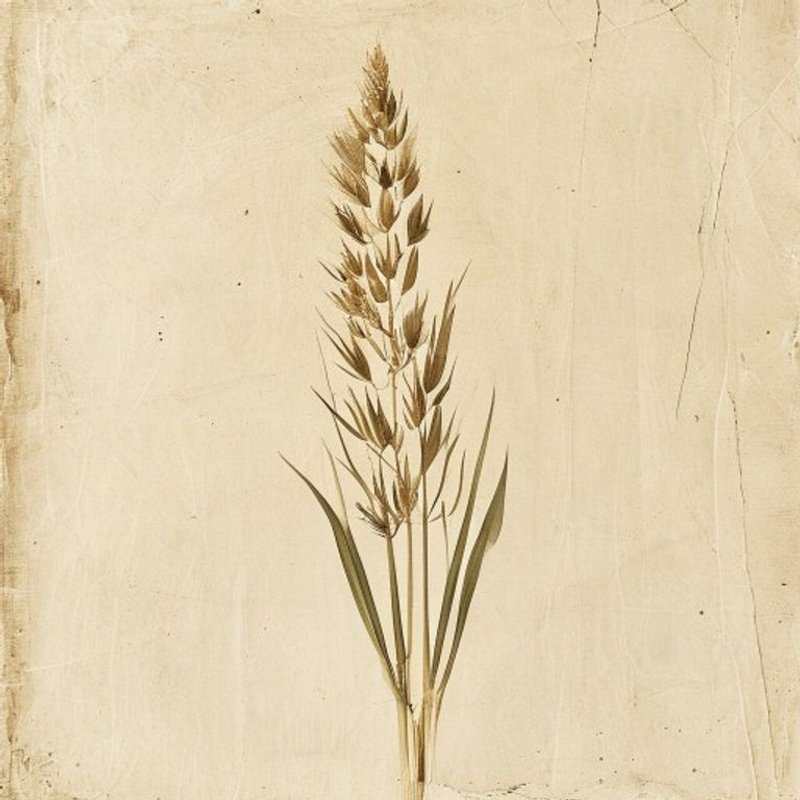
Pl. 57CA — Cyperus aristatus
Cyperus aristatusCyperus aristatusCyperus aristatusCyperus aristatusCyperus aristatusCyperus aristatusCyperus aristatusCyperus aristatusCyperus aristatusCyperus aristatusCyperus aristatusCyperus aristatusCyperus aristatusCyperus aristatus
IOverview
Overview
Cyperus aristatus, commonly known as umbrella palm or purple nut sedge, is a perennial plant native to regions in West and Central Africa, including Benin, Burkina Faso, Central African Republic, Chad, Congo, Ethiopia, Gambia, Ghana, Guinea, Guinea-Bissau, Ivory Coast, Mali, Nigeria, Senegal, Sudan, Tanzania, Togo, Uganda, Zambia, and Zaïre. This plant thrives in moist to wet environments with light (sandy) or medium soil types, tolerating full sun exposure and growing up to 1.5 meters tall. Its distinctive feature includes the presence of purple-brown leaf sheaths that give it an umbrella-like appearance, hence one of its common names. The root of Cyperus aristatus is edible and can be prepared in various ways, often cooked or dried for later use. This makes it a valuable resource in some areas of its native range. In addition to its culinary uses, this plant is also used as a weaving material, adding to its practical value. Cyperus aristatus is hardy in zones 7-10 and can grow up to 1.5 meters tall. For propagation, divide the rhizomes in spring. While not medicinal, it is important to handle this plant with care, especially when harvesting the roots, as it can be invasive in some environments.
Quick answers
What is Cyperus aristatus?
Cyperus aristatus, commonly known as umbrella palm or purple nut sedge, is a perennial plant native to regions in West and Central Africa, including Benin, Burkina Faso, Central African Republic, Chad, Congo, Ethiopia, Gambia, Ghana, Guinea, Guinea-Bissau, Ivory Coast, Mali, Nige
Growingconditions · propagation · uses
VCultivation
Cultivation
Cyperus aristatus thrives in full sun and requires moist to wet soil, preferring light (sandy) or medium soils. It is hardy in zones 7-10 and can grow up to 1.5 meters tall. For propagation, divide the rhizomes in spring. Harvest the edible root parts when needed.
Light
Full sun
Water
Moist, Wet
Soil
Light (sandy), Medium
Hardiness
7-10
Life cycle
Perennial
Mature size
1.5 m tall
For first-time growers
How to grow Cyperus aristatus for the first time
8steps
Start with a simple, water-loving perennial that thrives in moist conditions and full sun.
- 1
What you'll need
Skip rhizomes or small plants for planting.
- 2
Best time to plant
Plant Skip during spring when the weather is warm.
- 3
Soil and container prep
Choose a light, sandy soil with good drainage. Ensure containers are at least 15 cm deep.
- 4
Sowing or transplanting
Transplant Skip rhizomes into prepared soil, spacing them about 30 cm apart.
- 5
First two weeks
Keep the soil consistently moist and avoid direct sunlight for a few days after planting.
- 6
Ongoing care
Water regularly to maintain moisture. Fertilize once in spring with a balanced, slow-release fertilizer.
- 7
Harvest or pruning
Prune dead foliage to keep the plant looking tidy and encourage new growth.
- 8
Common mistakes
Overwatering, planting in heavy soil, neglecting to prune, not providing enough sunlight, and using too much fertilizer.
VIEdible & utility
Edible & utility
Edible parts:Root
Edible uses: The root of Cyperus aristatus is edible and can be prepared in various ways. It is often cooked or dried for later use.
Other uses:Weaving material
Contextrange · companions · related
VIIDistribution
150 native · 1 introduced
Distribution
150 native · 1 introducedDistribution across4 continents· 150 native· 1 introduced
Europe1 region
introduced (1)Italy
Asia14 regions
native (14)AfghanistanBangladeshChinaGeorgiaIndiaMyanmarNepalOmanPakistanSaudi ArabiaSri LankaThailandVietnamYemen
Americas11 regions
native (11)BahamasBoliviaColombiaCubaEcuadorHaitiParaguayPeruPuerto RicoUruguayVenezuela
Africa34 regions
native (34)AngolaBeninBotswanaBurkina FasoBurundiCabo VerdeChadCôte d'IvoireEritreaEswatiniEthiopiaGabonGambiaGhanaGuineaGuinea-BissauKenyaMadagascarMalawiMaliMauritaniaMozambiqueNamibiaNigerNigeriaRwandaSenegalSomaliaSudanTanzaniaTogoUgandaZambiaZimbabwe
Broader regions
native:Alabama, Alberta, Andaman Is., Argentina Northeast, Argentina Northwest, Argentina South, Arizona, Arkansas, Aruba, Brazil North, Brazil Northeast, British Columbia, California, Cape Provinces, Central African Repu, Chile Central, Colorado, Congo, Connecticut, Delaware, District of Columbia, East Himalaya, Florida, Free State, Galápagos, Idaho, Illinois, Indiana, Iowa, Kansas, Kentucky, KwaZulu-Natal, Leeward Is., Lesser Sunda Is., Louisiana, Maine, Manitoba, Maryland, Masachusettes, Mexico Central, Mexico Gulf, Mexico Northeast, Mexico Northwest, Mexico Southeast, Mexico Southwest, Michigan, Minnesota, Mississippi, Missouri, Montana, Nebraska, Netherlands Antilles, Nevada, New Brunswick, New Hampshire, New Jersey, New Mexico, New South Wales, New York, North Carolina, North Dakota, Northern Provinces, Northern Territory, Ohio, Oklahoma, Ontario, Oregon, Pennsylvania, Québec, Queensland, Rhode I., Socotra, South Australia, South Carolina, South Dakota, Tennessee, Texas, Turks-Caicos Is., Utah, Vermont, Victoria, Virginia, Washington, West Himalaya, West Virginia, Western Australia, Wisconsin, Wyoming, Zaïre
IXSpecimen gallery
1 image
Specimen gallery
1 imageXSee also
8 related
See also
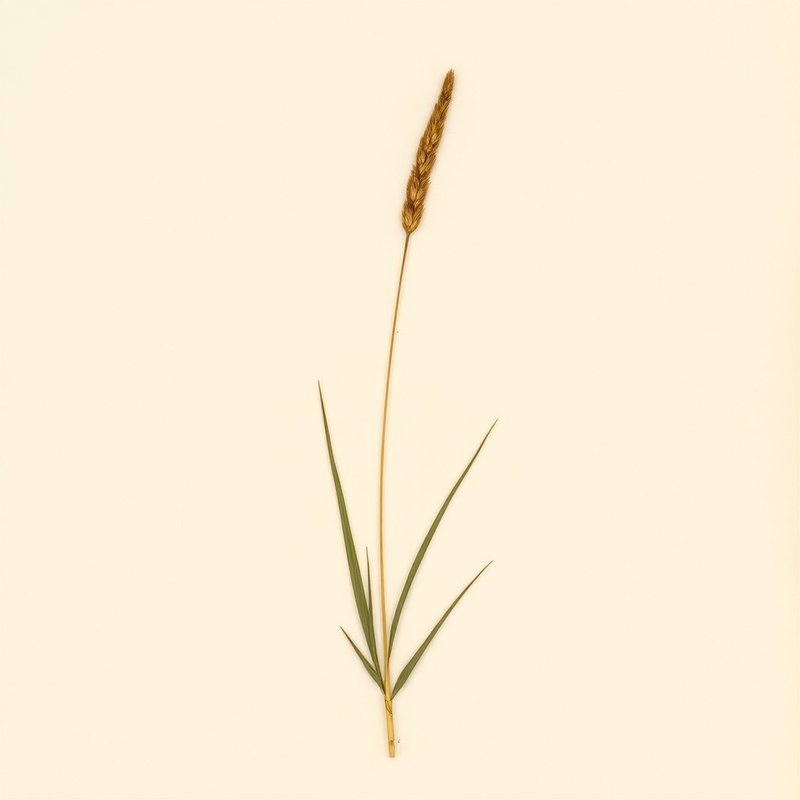
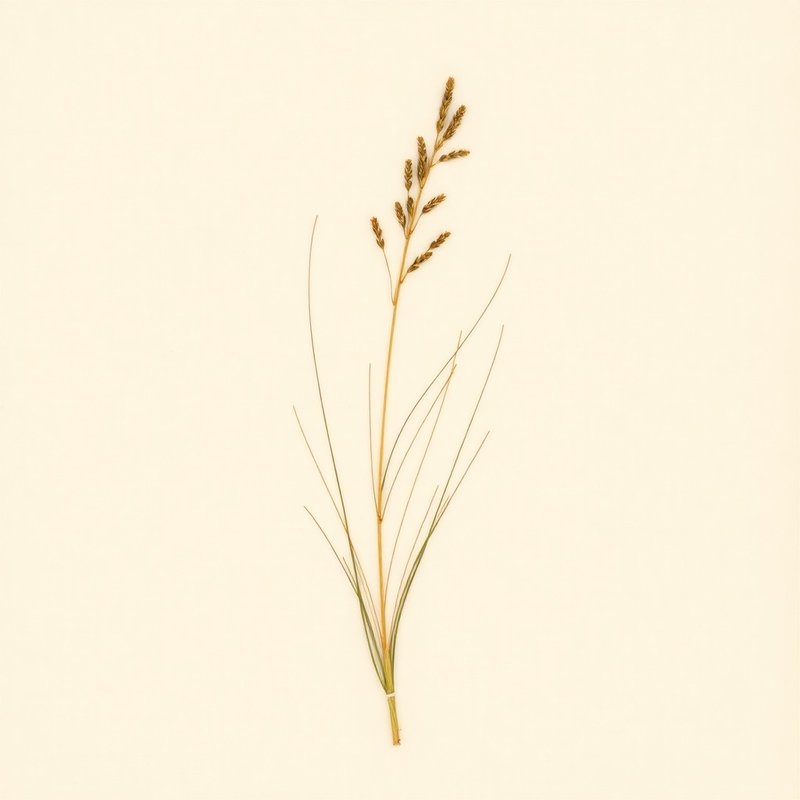
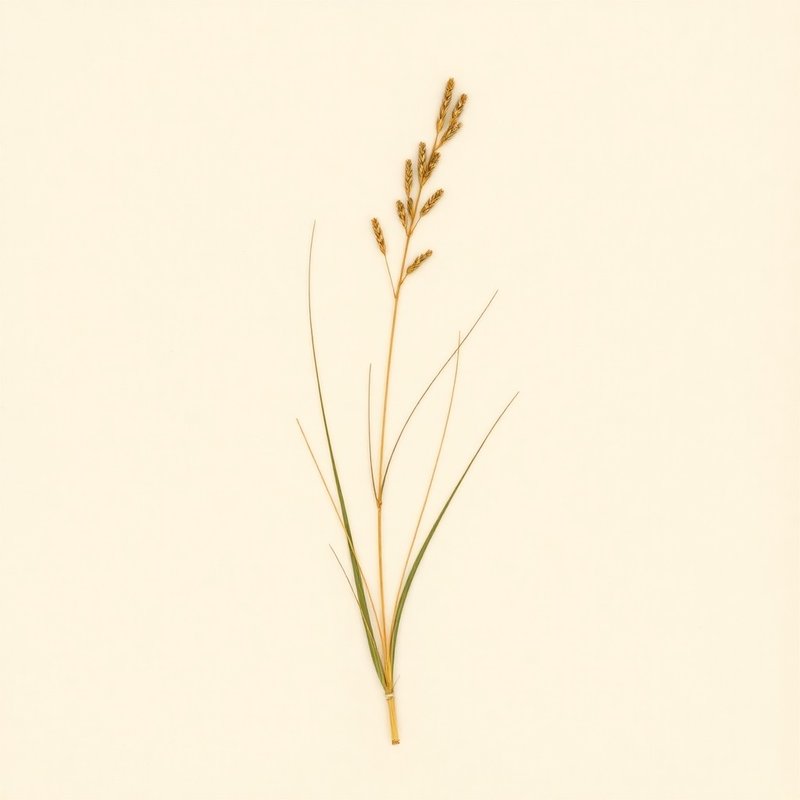
8 relatedPlants you might compare or use together — scored by shared family (Cyperaceae), common use cases, and growing requirements.
same family · Cyperaceae
Botanical relatives — often share phytochemistry + growing needs.

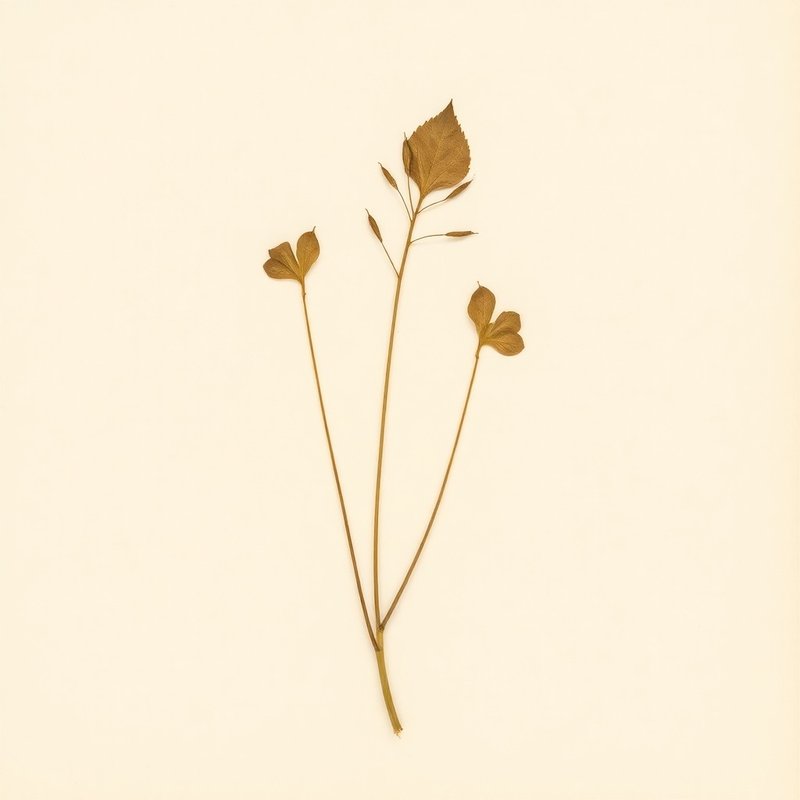
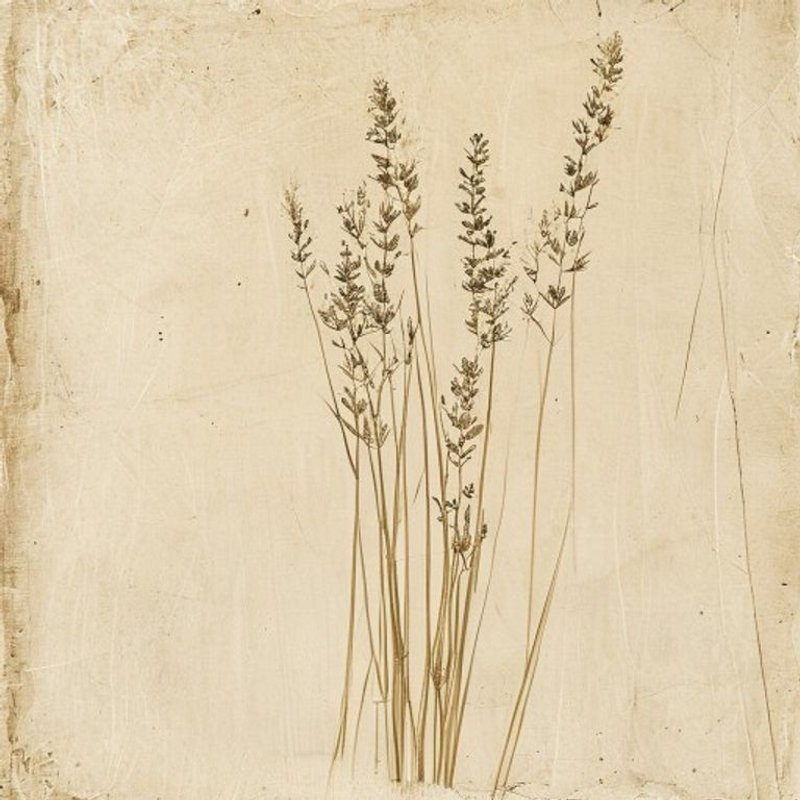
XI
Explore further
Companion planting
Compare with similar plants
Growing zone
Native to
XII
About this entry
- Last updated
- Citation
- How to cite this entry · Submit a correction
Back to the cataloguePlant id · 57ca1b26-9de7-4eb9-bd04-66b032103051
Decision aid
Choosing between Cyperus aristatus and something else?
Continue reading
❦❦❦❦
Endpaper · archive updates
Get archive updates
Occasional email when substantial new content lands — plant profiles, seasonal growing notes, folk-remedy additions. Free, no tracking, unsubscribe anytime.
Newsletter returning soon.
We are rebuilding the update list around a lightweight editorial workflow. New dispatches will resume after the next content review cycle.