
Potamogeton cristatus
Potamogeton cristatusfam. Cyperaceae
Educational content — not medical, botanical, or professional advice. Plant identification, safety, and edibility depend on local conditions, cultivars, and correct identification. Consult a qualified botanist or forager before consuming or handling wild specimens. How we source & review →
Garden journal pausedUse profile notes below
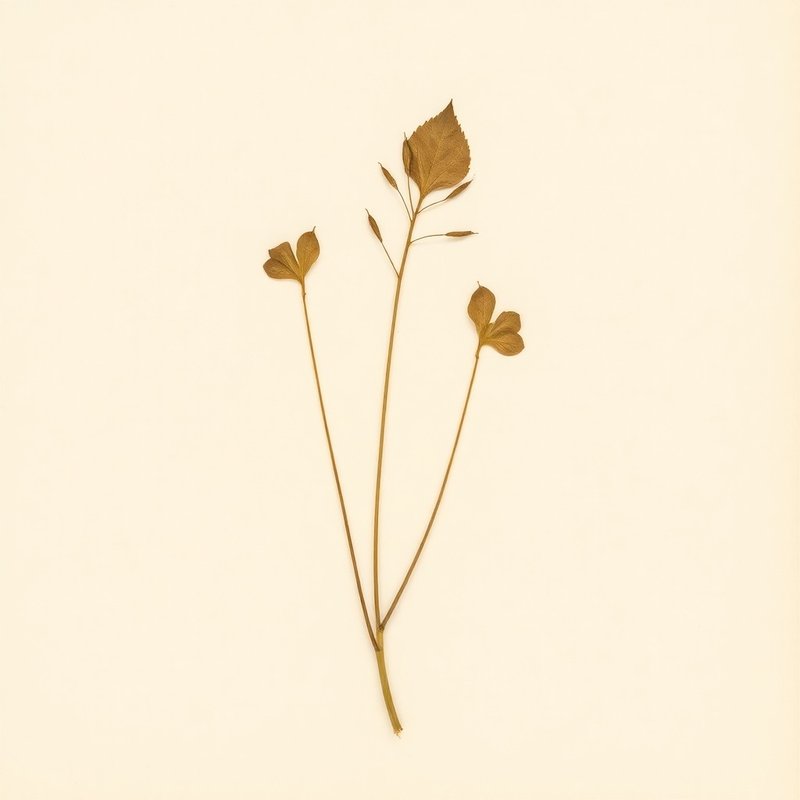
Pl. C080 — Potamogeton cristatus
Potamogeton cristatusPotamogeton cristatusPotamogeton cristatusPotamogeton cristatusPotamogeton cristatusPotamogeton cristatusPotamogeton cristatusPotamogeton cristatusPotamogeton cristatusPotamogeton cristatusPotamogeton cristatusPotamogeton cristatusPotamogeton cristatusPotamogeton cristatus
IOverview
Overview
Potamogeton cristatus is a fast-growing aquatic perennial in the pondweed genus, a plant that lives in fresh water and returns year after year. Its native range spans much of East Asia: North-Central, South-Central, and Southeast China, Japan, Korea, Manchuria, Taiwan, and the Nansei-shoto islands, with outlying populations reaching the Russian Far East at Khabarovsk and Primorye. Across this broad territory it occupies ponds, streams, and other watery settings, favouring full sun. It can root in light sandy, medium, or heavy clay soils but is not drought resistant, depending instead on a consistently wet environment. The plant's leaves and stems are recorded as edible. According to the supplied profile, they can be prepared in more than one way, eaten raw or cooked, and are most often taken fresh or lightly steamed to bring out their flavour and texture. This gives the species a modest foraging and culinary value in parts of its native range, where it may be gathered from the water during its growing season. It is not described as medicinal, and no distinctive compounds or specific health benefits are recorded for it, so its interest rests on its aquatic habit and edible parts rather than any documented therapeutic use. For anyone growing it, P. cristatus needs full sun and constant moisture, and the cultivation notes suggest it can be increased by division. Because it is collected as a wild edible, harvesters should identify the plant confidently and take only what they need, treating it as a foodstuff rather than a remedy.
Quick answers
What is Potamogeton cristatus?
Potamogeton cristatus is a fast-growing aquatic perennial in the pondweed genus, a plant that lives in fresh water and returns year after year.
Growingconditions · propagation · uses
VCultivation
Cultivation
Potamogeton cristatus thrives in full sun and requires a consistently watery environment. It prefers light to heavy soil types but can adapt to medium conditions. As a perennial, it needs consistent moisture year-round. For propagation, division is an effective method. Harvest the edible parts—leaves and stems—from this plant for use in culinary applications.
Light
Full sun
Water
Water
Soil
Light (sandy), Medium, Heavy (clay)
Life cycle
Perennial
For first-time growers
How to grow Potamogeton cristatus for the first time
7steps
Start with a simple water garden setup to grow Skip, keeping it basic and manageable.
- 1
What you'll need
A container or pond deep enough for full submersion, aquatic planting medium.
- 2
Best time to plant
Plant in spring when water temperatures are consistently above 50°F (10°C).
- 3
Soil and container prep
Use a mix of sand, silt, and clay for the bottom layer, topped with aquatic planting medium.
- 4
Sowing or transplanting
Transplant Skip from nursery containers into your prepared pond or container.
- 5
First two weeks
Monitor water quality and ensure it's clean. Keep an eye on the plant for signs of stress.
- 6
Ongoing care
Provide full sun exposure, keep water levels stable, and avoid overfertilization.
- 7
Harvest or pruning
Prune dead leaves to maintain a healthy appearance. Harvest young stems and leaves for use in salads.
VIEdible & utility
Edible & utility
Edible parts:LeavesStem
Edible uses: The leaves and stems of Potamogeton cristatus are edible. They can be harvested and prepared in various ways—raw or cooked. Typically, they are consumed fresh or lightly steamed to enhance their flavor and texture.
Contextrange · companions · related
VIIDistribution
10 native · 0 introduced
Distribution
10 native · 0 introducedDistribution across1 continent· 10 native
Asia4 regions
native (4)ChinaJapanSouth KoreaTaiwan
Broader regions
native:Khabarovsk, Nansei-shoto, Primorye
IXSpecimen gallery
1 image
Specimen gallery
1 imageXSee also
8 related
See also
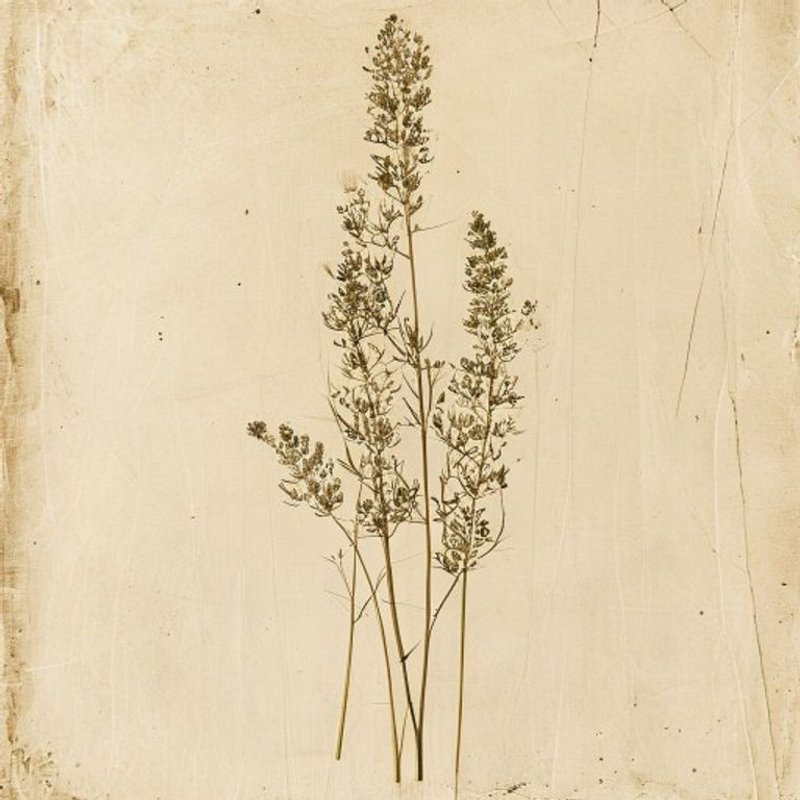
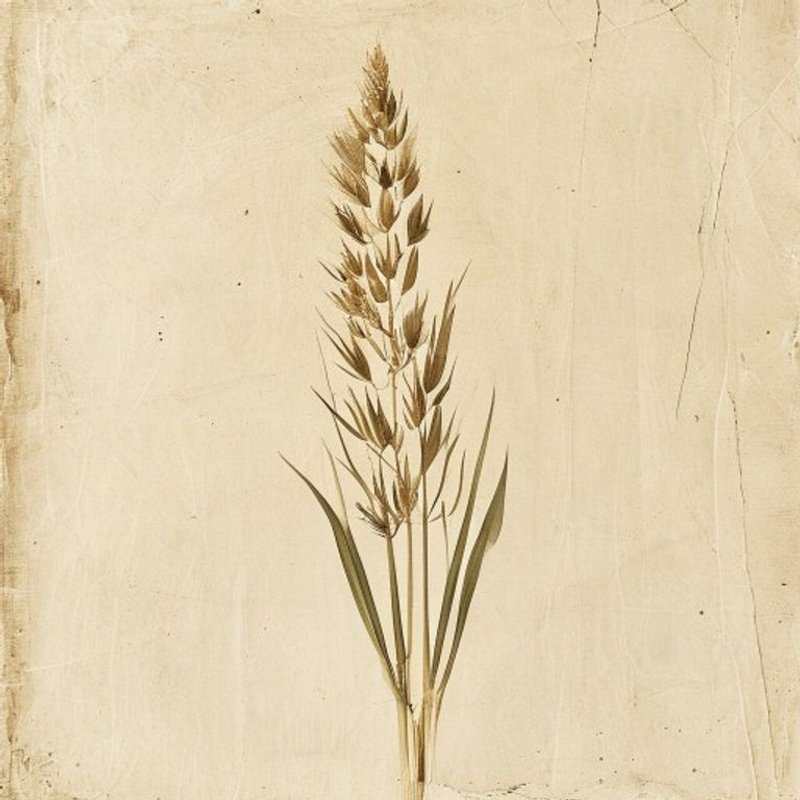
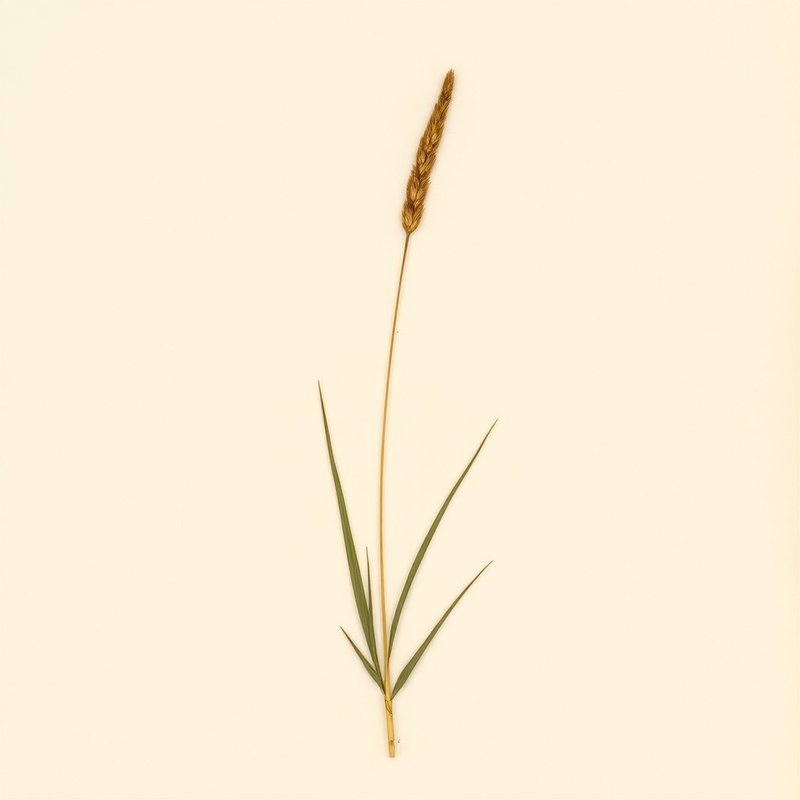
8 relatedPlants you might compare or use together — scored by shared family (Cyperaceae), common use cases, and growing requirements.
same family · Cyperaceae
Botanical relatives — often share phytochemistry + growing needs.


XI
Explore further
Companion planting
Compare with similar plants
XII
About this entry
- Last updated
- Citation
- How to cite this entry · Submit a correction
Back to the cataloguePlant id · c0806995-59ca-4cd5-adff-a2c4d2a5d1ed
Decision aid
Choosing between Potamogeton cristatus and something else?
Continue reading
❦❦❦❦
Endpaper · archive updates
Get archive updates
Occasional email when substantial new content lands — plant profiles, seasonal growing notes, folk-remedy additions. Free, no tracking, unsubscribe anytime.
Newsletter returning soon.
We are rebuilding the update list around a lightweight editorial workflow. New dispatches will resume after the next content review cycle.