
Moldavian Balm
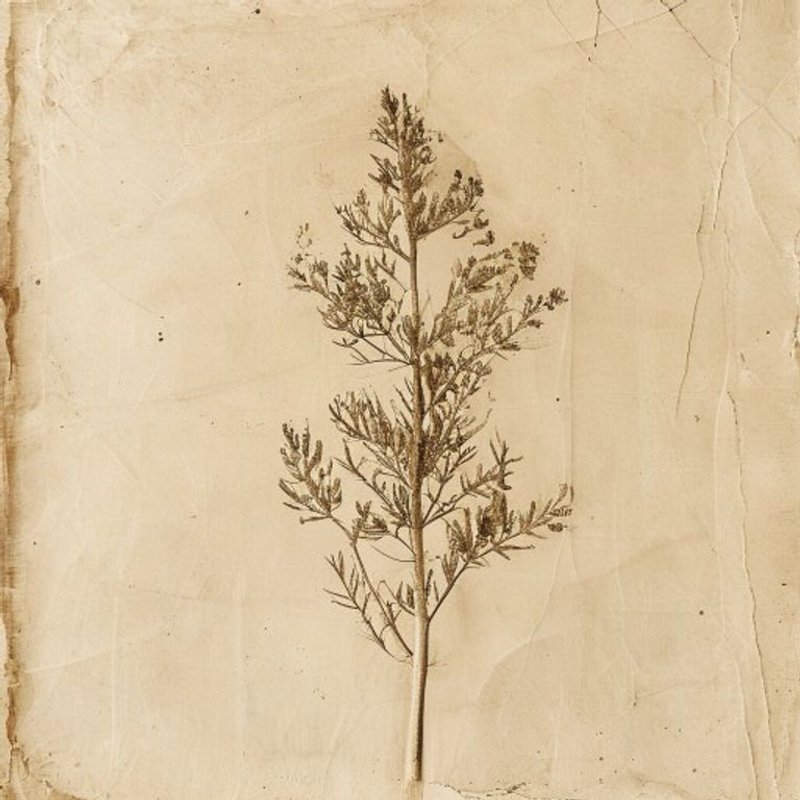
IOverview
Overview
Moldavian Balm (Dracocephalum moldavica) is an annual forb or herb that thrives in light to partial sun and prefers moist conditions, with a hardiness range of 6-9. Native to regions including Afghanistan, Amur, China North-Central, Chita, Inner Mongolia, Iran, Kazakhstan, Krasnoyarsk, and others, this plant can grow up to 0.3 meters in height. Known for its adaptability to various soil types—light (sandy), medium, and heavy (clay)—Moldavian Balm is a versatile addition to gardens or landscapes where it can attract pollinators and provide culinary interest. The plant's edible leaves and shoots can be used in teas, adding a unique flavor to beverages. Moldavian Balm is native to a wide range of areas, including Afghanistan, Amur, China North-Central, Chita, Inner Mongolia, Iran, Kazakhstan, Krasnoyarsk, and more, and has been introduced to regions such as Austria, Baltic States, Belarus, Central European Rus, Czechoslovakia, East European Russia, Korea, Krym, Poland, Romania, South European Russi, Ukraine, and Vermont. While not traditionally used for medicinal purposes, its ornamental and culinary value make it a valuable addition to gardens and landscapes. Moldavian Balm thrives in full to partial sun, requiring moist soil that can be light (sandy), medium, or heavy (clay). It is hardy in zones 6-9, making it suitable for temperate regions. This annual plant grows to about 0.3 meters and is easy to propagate from seeds. Ensure the soil remains consistently moist to support healthy growth. Harvest the leaves and shoots for culinary use.
What is Moldavian Balm?
Moldavian Balm (Dracocephalum moldavica) is an annual forb or herb that thrives in light to partial sun and prefers moist conditions, with a hardiness range of 6-9.
VCultivation
Cultivation
How to grow Moldavian Balm for the first time
Start with Moldavian Balm as an easy-to-grow herb for beginners.
- 1
What you'll need
Seeds or young plants, a small trowel, and a watering can.
- 2
Best time to plant
Plant in spring after the last frost, when temperatures are mild.
- 3
Soil and container prep
Use well-draining soil with a mix of light (sandy), medium, or heavy clay. Ensure containers have drainage holes.
- 4
Sowing or transplanting
Direct sow seeds 0.5 cm deep in the garden bed or start them indoors and transplant when they are strong enough to handle.
- 5
First two weeks
Water regularly, keeping the soil moist but not waterlogged. Place in a sunny spot after germination.
- 6
Ongoing care
Provide full sun or partial shade, and keep the soil consistently moist. Prune to encourage bushy growth.
- 7
Harvest or pruning
Prune back after flowering to promote new growth and prevent self-seeding.
VIEdible & utility
Edible & utility
VIIDistribution
17 native · 13 introduced
Distribution
17 native · 13 introducedIXSpecimen gallery
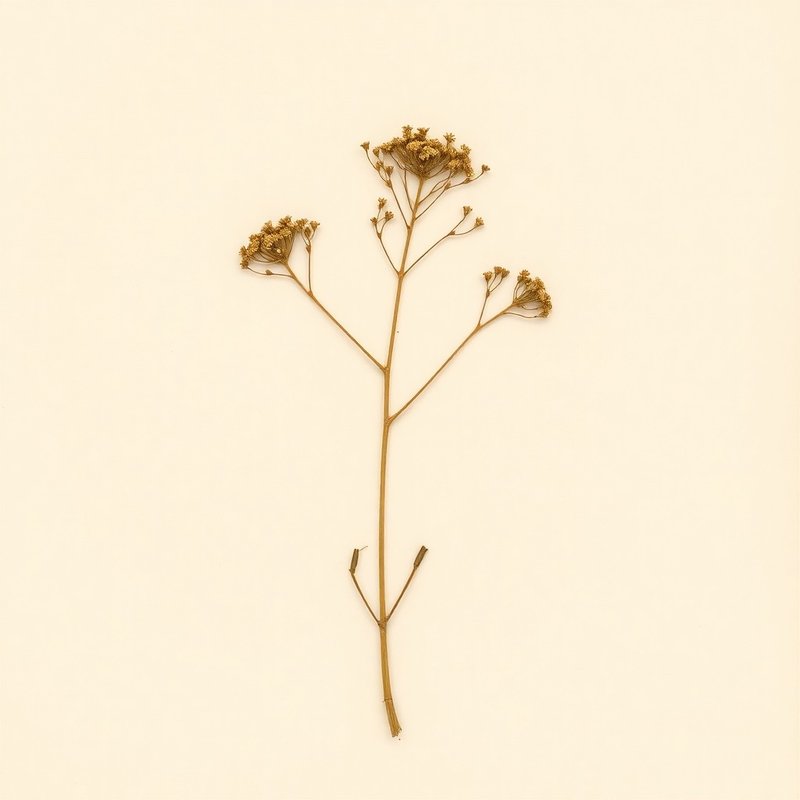
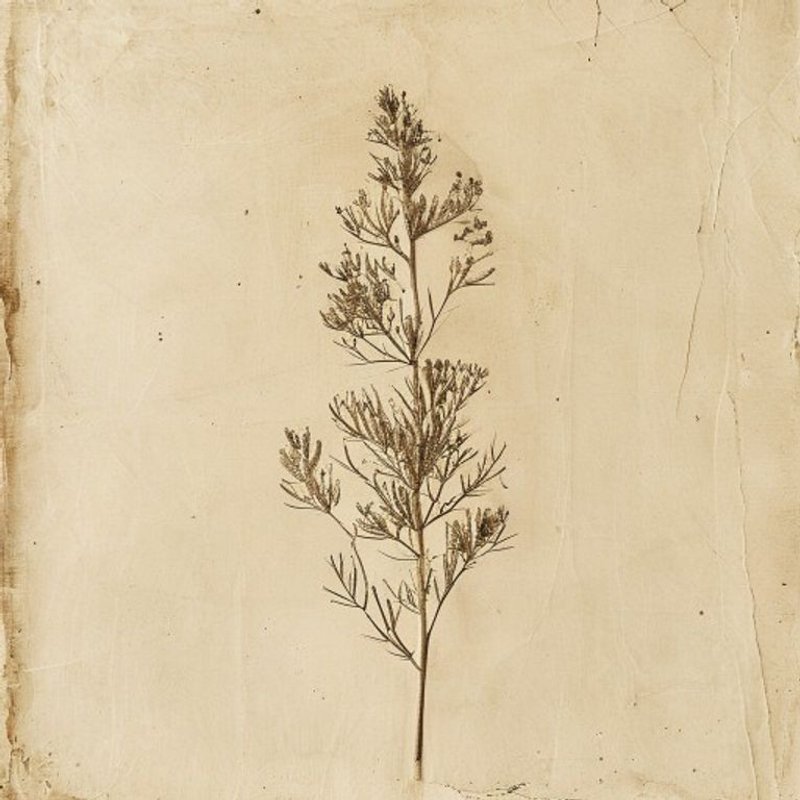
1 image
Specimen gallery
1 imageXSee also
8 related
See also
8 relatedPlants you might compare or use together — scored by shared family (Lamiaceae), common use cases, and growing requirements.



Explore further
About this entry
- Last updated
- Citation
- How to cite this entry · Submit a correction
Continue reading
Get archive updates
Occasional email when substantial new content lands — plant profiles, seasonal growing notes, folk-remedy additions. Free, no tracking, unsubscribe anytime.