
Ephedra pachyclada
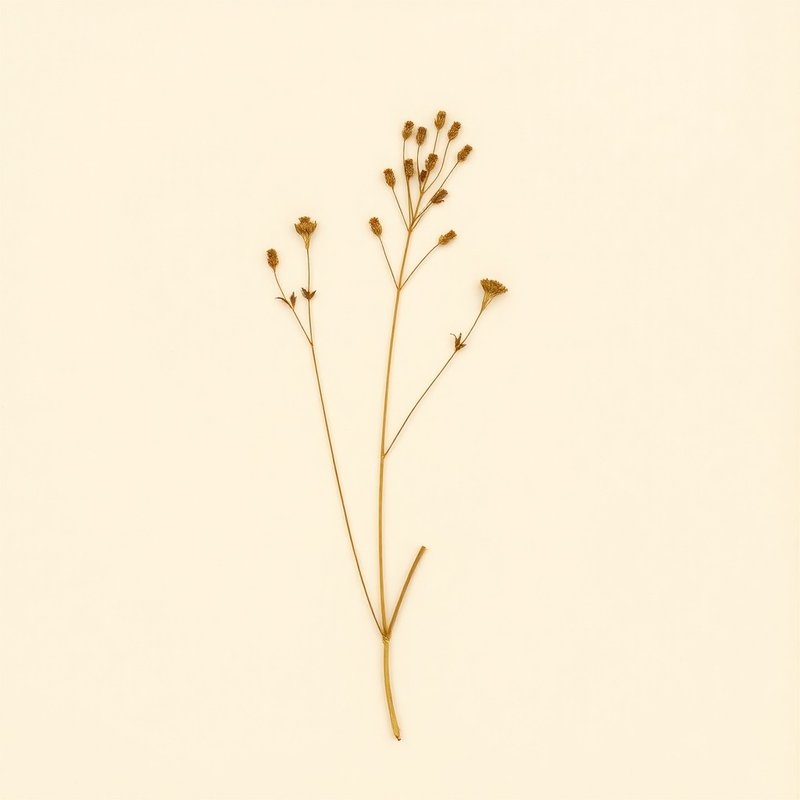
IOverview
Overview
Ephedra pachyclada, a member of the Caryophyllaceae family, is a shrub native to arid regions in Afghanistan, Gulf States, Iran, Oman, Pakistan, Palestine, Saudi Arabia, Sinai, and Yemen. This plant thrives in full sun and prefers light (sandy) or medium-textured soils, capable of adapting to both dry and moist conditions. The fruit of Ephedra pachyclada is edible and can be consumed raw or dried, making it a valuable resource in its native range. While the plant is not typically cultivated for medicinal purposes, its distinctive ability to thrive in diverse environments and provide sustenance through its fruits makes it an important species in its habitat. Caution is advised when handling any part of the plant, as it belongs to the Ephedraceae family, which includes plants with potential medicinal properties.
What is Ephedra pachyclada?
Ephedra pachyclada, a member of the Caryophyllaceae family, is a shrub native to arid regions in Afghanistan, Gulf States, Iran, Oman, Pakistan, Palestine, Saudi Arabia, Sinai, and Yemen.
VCultivation
Cultivation
How to grow Ephedra pachyclada for the first time
Start with basic care for Skip, focusing on light and water needs.
- 1
What you'll need
Skip plant, potting mix suitable for cacti or succulents, small container.
- 2
Best time to plant
Plant in spring when the weather starts warming up.
- 3
Soil and container prep
Use a well-draining soil mix and ensure your pot has drainage holes.
- 4
Sowing or transplanting
Transplant Skip from its nursery pot into a larger one if needed, gently loosen roots first.
- 5
First two weeks
Keep the soil slightly moist but not wet. Place in bright light but avoid direct sun.
- 6
Ongoing care
Place Skip in full sun and water sparingly, allowing the soil to dry out between waterings.
- 7
Harvest or pruning
Skip is primarily grown for its ornamental value. Prune lightly if needed to maintain shape.
- 8
Common mistakes
Overwatering, placing in full sun immediately after planting, using regular potting soil instead of well-draining mix.
VIEdible & utility
Edible & utility
VIIDistribution
9 native · 0 introduced
Distribution
9 native · 0 introducedIXSpecimen gallery
1 image
Specimen gallery
1 imageXSee also
8 related
See also
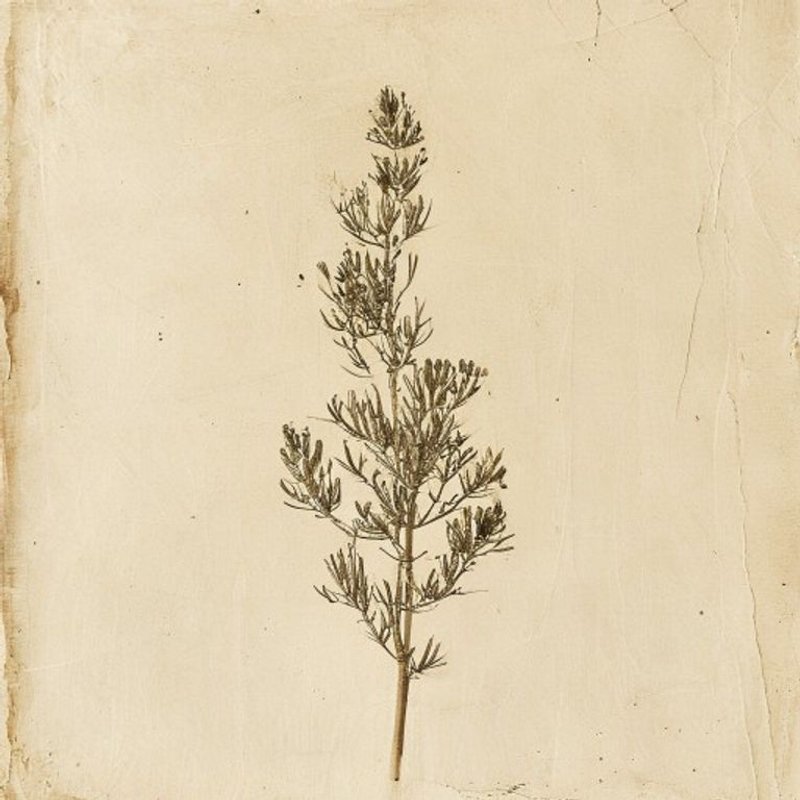
8 relatedPlants you might compare or use together — scored by shared family (Caryophyllaceae), common use cases, and growing requirements.

Explore further
About this entry
- Last updated
- Citation
- How to cite this entry · Submit a correction
Continue reading
Get archive updates
Occasional email when substantial new content lands — plant profiles, seasonal growing notes, folk-remedy additions. Free, no tracking, unsubscribe anytime.