
Fuegia fern
Azorella fuegianafam. Caryophyllaceae
Educational content — not medical, botanical, or professional advice. Always consult a qualified clinician before using any herbal preparation — especially during pregnancy, breastfeeding, while on medication, or for children. How we source & review →
Garden journal pausedUse profile notes below
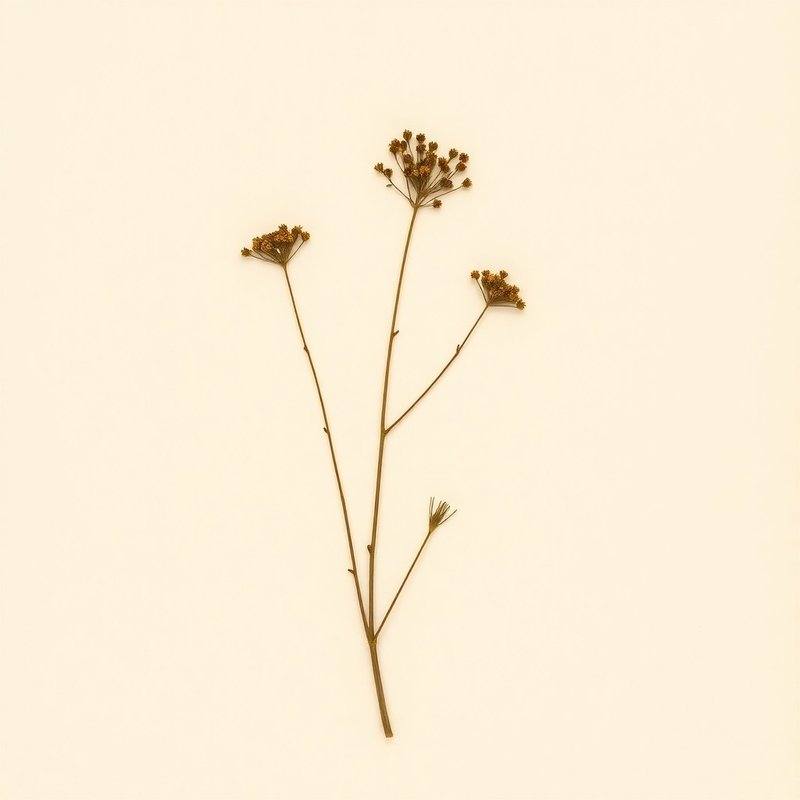
Pl. 2075 — Azorella fuegiana
Azorella fuegianaAzorella fuegianaAzorella fuegianaAzorella fuegianaAzorella fuegianaAzorella fuegianaAzorella fuegianaAzorella fuegianaAzorella fuegianaAzorella fuegianaAzorella fuegianaAzorella fuegianaAzorella fuegianaAzorella fuegiana
IOverview
Overview
The Fuegia fern, scientifically known as Azorella fuegiana, is a perennial plant native to the southern regions of Argentina and Chile. It thrives in full sun and prefers light (sandy) soil that can be either dry or moist. This hardy fern reaches a height of only 0.1 meters and is notable for its edible roots, which have been utilized by local communities. The roots can be eaten raw or cooked, typically by boiling to soften the texture before consumption. Azorella fuegiana is particularly interesting due to its ability to grow in challenging environments, making it an intriguing subject for botanists studying resilience and adaptation in plant species. Traditionally, the roots of Azorella species, including Fuegia fern, have been used in South American herbal medicine for digestive issues such as bloating and indigestion. A decoction of the root may help alleviate these symptoms. Additionally, these plants have been used to support the immune system, with a decoction of the root potentially enhancing immune function. For cultivation, ensure the plant receives ample sunlight while maintaining well-drained soil conditions. Watering should be adjusted based on soil moisture; it can tolerate both dry and moist environments. Propagation can occur through root cuttings. This plant is hardy in temperate regions and is suitable for gardeners looking to grow an edible species that adds a unique touch to their landscape. While the plant has medicinal uses, it is important to use caution and consult with a healthcare professional before incorporating it into any treatment regimen.
Quick answers
What is Fuegia fern?
The Fuegia fern, scientifically known as Azorella fuegiana, is a perennial plant native to the southern regions of Argentina and Chile. It thrives in full sun and prefers light (sandy) soil that can be either dry or moist. This hardy fern reaches a height of only 0.
What is Fuegia fern used for?
Traditionally used for digestion, immune support. Each claim is evidence-rated — see Section II for full citations.
Best for
Top 2 evidence-ranked uses of Fuegia fern
Clinicaluses · safety · chemistry · dosagemedicinal profile
IIBenefits & evidence
2 claims · traditional-use context
Benefits & evidence
2 claims · traditional-use contextTraditional-use context
These notes are presented as ethnobotanical context. No cited clinical references are catalogued for this plant yet.
- Azorella species, including Fuegia fern, have been traditionally used in South American herbal medicine for digestive issues such as bloating and indigestion. A decoction of the root may help alleviate these symptoms.
The mechanism is not fully characterised but likely involves compounds that support gastrointestinal motility and reduce inflammation.
▲ ModerateDigestion → - Azorella species, including Fuegia fern, have been traditionally used in South American herbal medicine to support the immune system. A decoction of the root may help enhance immune function.
The mechanism is not fully characterised but likely involves compounds that modulate immune responses and reduce oxidative stress.
▲ ModerateImmune support →
IV·bMixology suggestions
1 draft
Mixology suggestions
1 draftEditorial drafts. These pairings are AI-suggested from traditional herbal lore. Always verify with a qualified herbalist before brewing.
Fuegia fern support blend
generaltea
AI returned a direct ingredient list; normalized into one draft blend for editorial review.
Growingconditions · propagation · uses
VCultivation
Cultivation
Azorella fuegiana thrives in full sun and prefers light, sandy soils that are either dry or moist. It is a perennial that grows to about 0.1 meters tall and is native to the southern regions of Argentina and Chile. For cultivation, ensure the plant receives ample sunlight while maintaining well-drained soil conditions. Watering should be adjusted based on soil moisture; it can tolerate both dry and moist environments. Propagation can occur through root cuttings. This plant is hardy in temperate regions and is suitable for gardeners looking to grow an edible species that adds a unique touch to their landscape.
Light
Full sun
Water
Dry, Moist
Soil
Light (sandy)
Life cycle
Perennial
Mature size
0.1 m tall
For first-time growers
How to grow Fuegia fern for the first time
7steps
Start with Fuegia fern as a simple, low-maintenance perennial for your garden.
- 1
What you'll need
A small Fuegia fern plant or root pieces, well-draining soil, and a container if planting in pots.
- 2
Best time to plant
Plant Fuegia fern during spring when the weather is mild and stable.
- 3
Soil and container prep
Use light, sandy soil with good drainage. Ensure containers have holes for proper water flow.
- 4
Sowing or transplanting
Transplant root pieces directly into the prepared soil, spacing them about 30 cm apart.
- 5
First two weeks
Water sparingly to avoid rotting the roots. Keep the plant in a partially shaded area during this period.
- 6
Ongoing care
Place Fuegia fern in full sun and water only when the soil is dry. Prune lightly if needed to maintain shape.
- 7
Harvest or pruning
Prune dead or damaged parts of the plant as needed, but avoid cutting into the main stem.
VIEdible & utility
Edible & utility
Edible parts:Root
Edible uses: The root of Azorella fuegiana is edible and can be eaten raw or cooked. It is commonly prepared by boiling to soften the texture before consumption. Skip the detailed recipe as per instructions.
Contextrange · companions · related
VIIDistribution
2 native · 0 introduced
Distribution
2 native · 0 introducedDistribution across0 continents· 2 native
Broader regions
native:Argentina South, Chile South
IXSpecimen gallery
1 image
Specimen gallery
1 imageXSee also
8 related
See also
8 relatedPlants you might compare or use together — scored by shared family (Caryophyllaceae), common use cases, and growing requirements.
same family · Caryophyllaceae
Botanical relatives — often share phytochemistry + growing needs.
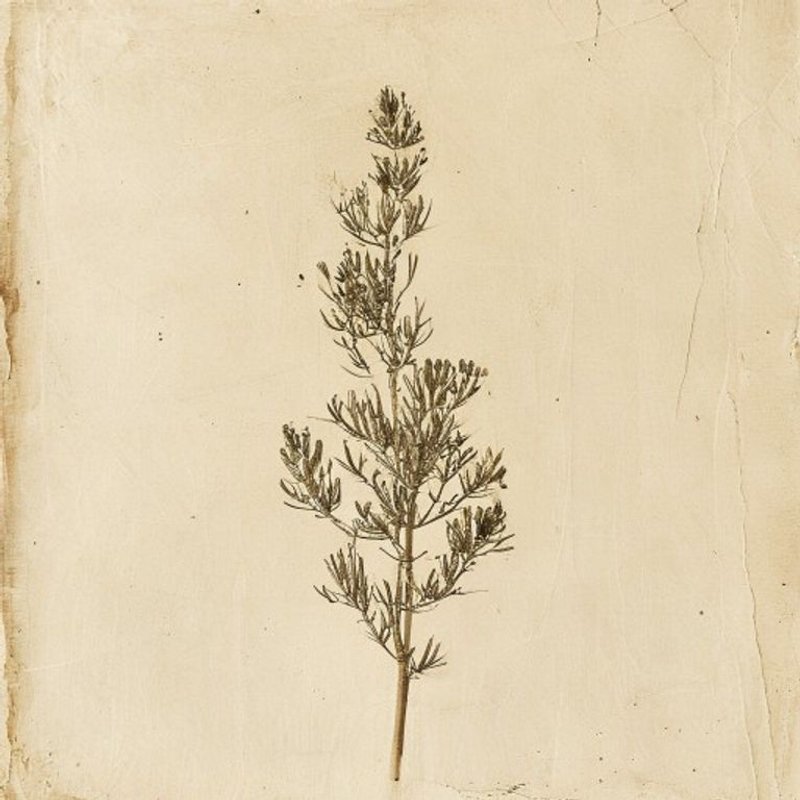
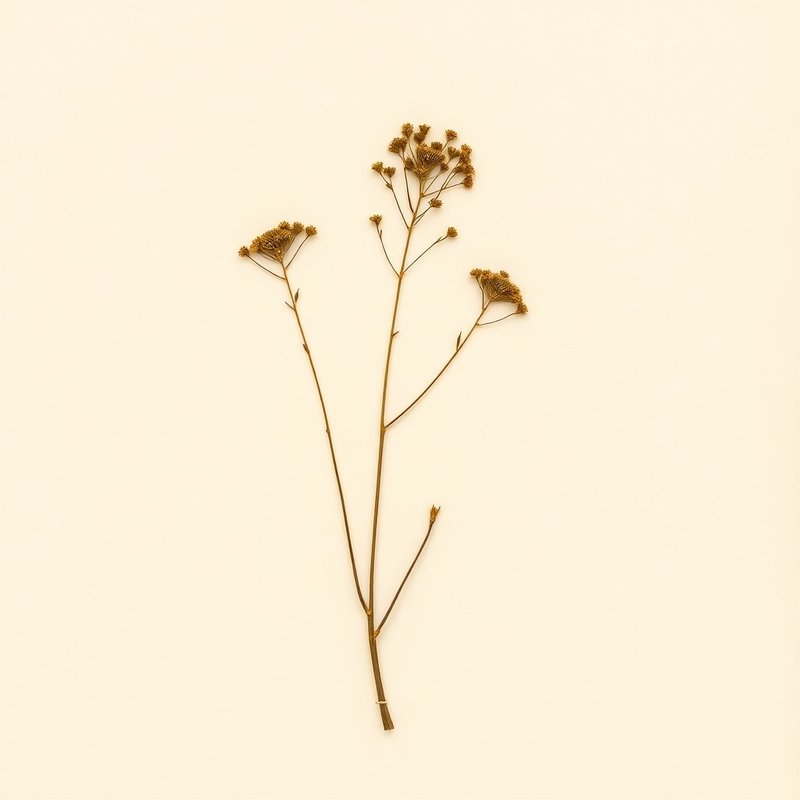
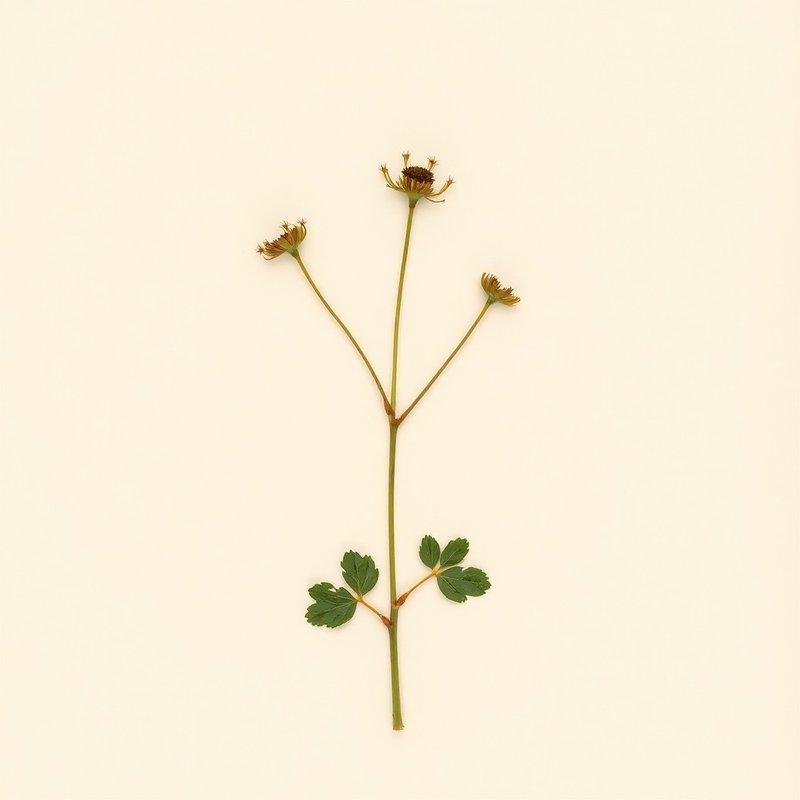
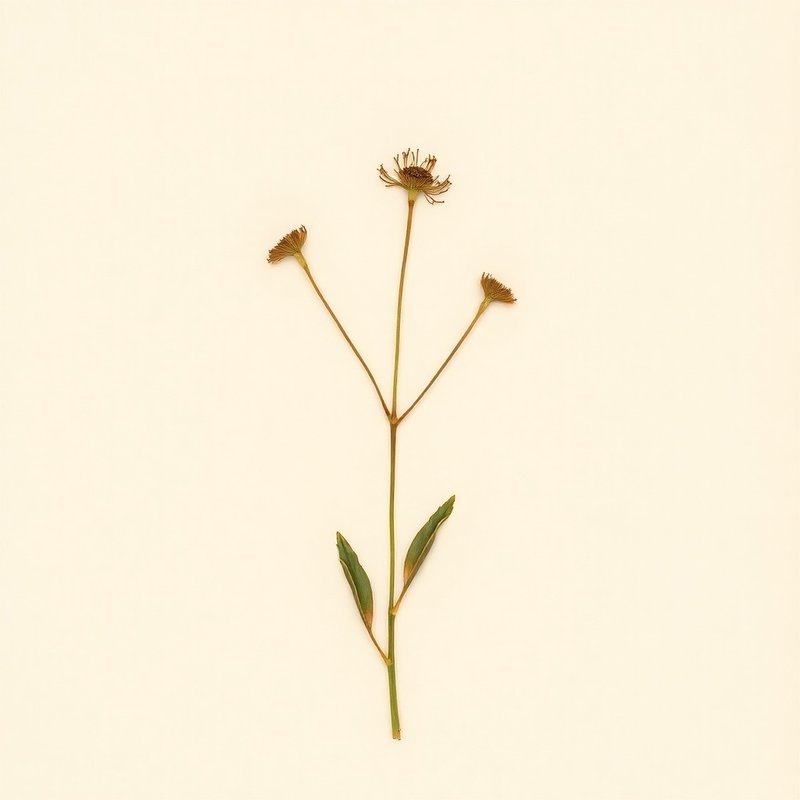
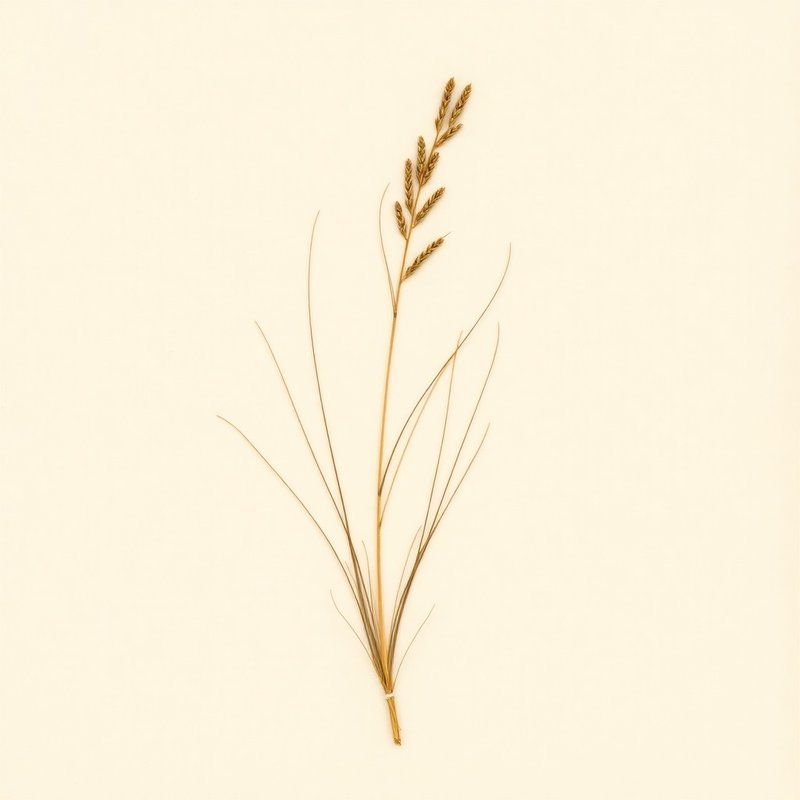
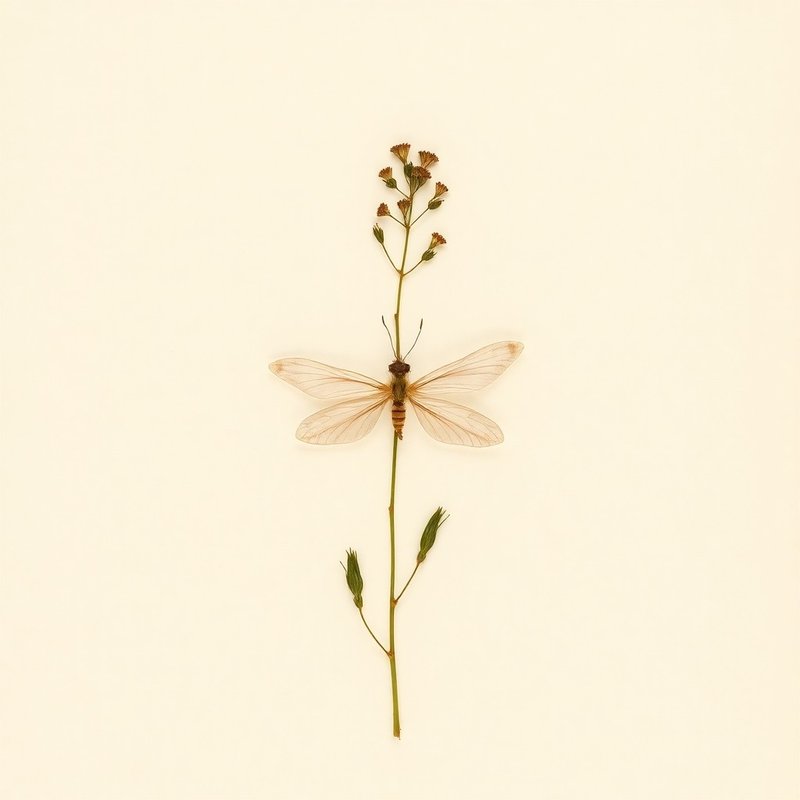

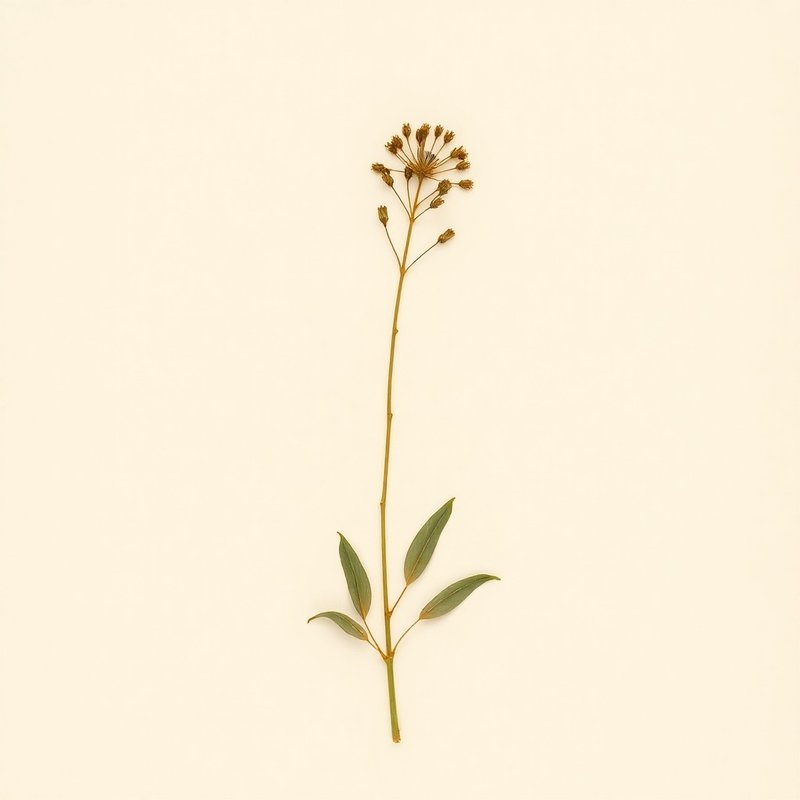
XI
Explore further
Companion planting
Health goals
Compare with similar plants
Native to
XII
About this entry
- Last updated
- Citation
- How to cite this entry · Submit a correction
Back to the cataloguePlant id · 2075d98d-99fa-43de-af1d-ff92782cf354
Decision aid
Choosing between Fuegia fern and something else?
Continue reading
❦❦❦❦
Endpaper · archive updates
Get archive updates
Occasional email when substantial new content lands — plant profiles, seasonal growing notes, folk-remedy additions. Free, no tracking, unsubscribe anytime.
Newsletter returning soon.
We are rebuilding the update list around a lightweight editorial workflow. New dispatches will resume after the next content review cycle.