
Dutch Rush
IOverview
Overview
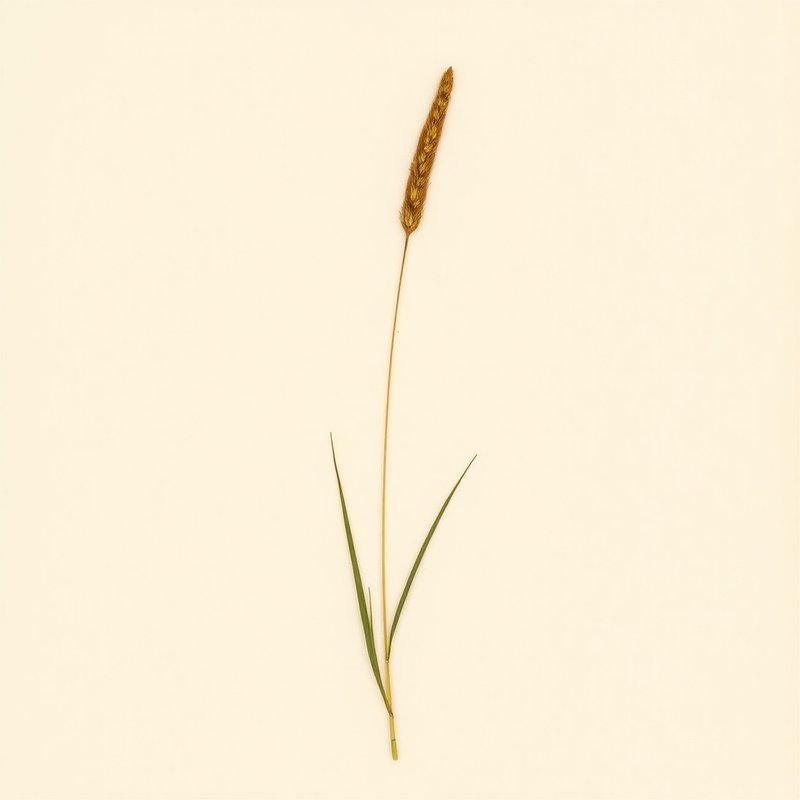
Dutch Rush (Equisetum hyemale) is a perennial herb that thrives in a variety of climates, from Albania and Austria to parts of China and the Baltic States. This plant is known for its adaptability, growing in soils ranging from light sandy to heavy clay, with an optimal pH between 7 and 7.5. Its hardiness spans USDA zones 3-11, making it resilient in diverse environments. Dutch Rush is both edible and medicinal, with its shoots, stems, and roots being utilized for culinary purposes. The plant can grow up to 1 meter tall and is often found in moist conditions, making it a dynamic accumulator in its habitat. In traditional medicine, Dutch Rush has been used for its antifungal properties and as an animal feed. It also has practical uses, such as crafting, textiles, pest control, polishing, and sandpaper. The plant's roots, though fibrous, can be used similarly to its stems and shoots, though they require thorough cleaning. Dutch Rush is native to regions including Albania, Austria, Belarus, Bulgaria, and parts of China, and has been introduced to Tasmania. While it is generally safe, users should be cautious of its potential as a weed.
What is Dutch Rush?
Dutch Rush (Equisetum hyemale) is a perennial herb that thrives in a variety of climates, from Albania and Austria to parts of China and the Baltic States. This plant is known for its adaptability, growing in soils ranging from light sandy to heavy clay, with an optimal pH between 7 and 7.
IV·bMixology suggestions
2 drafts
Mixology suggestions
2 draftsVCultivation
Cultivation
How to grow Dutch Rush for the first time
Start with Dutch Rush as a simple, low-maintenance perennial for your garden.
- 1
What you'll need
A container or planting site, soil, and a Dutch Rush plant.
- 2
Best time to plant
Plant in spring after the last frost or in early fall.
- 3
Soil and container prep
Use well-draining soil with a pH of 7-7.5. Ensure containers have drainage holes.
- 4
Sowing or transplanting
Transplant young plants from a nursery or divide existing ones in early spring.
- 5
First two weeks
Water regularly to keep the soil moist but not waterlogged.
- 6
Ongoing care
Provide light shade, especially if grown in containers. Water when dry and mulch around the base.
- 7
Harvest or pruning
Prune stems in late winter to maintain shape and encourage new growth.
- 8
Common mistakes
Overwatering, planting in heavy soil, not providing enough shade, neglecting to divide plants every few years.
VIEdible & utility
Edible & utility
VIIDistribution
68 native · 1 introduced
Distribution
68 native · 1 introducedIXSpecimen gallery
1 image
Specimen gallery
1 imageXSee also
2 related
See also
2 relatedPlants you might compare or use together — scored by shared family (Sphenophyllaceae), common use cases, and growing requirements.
Explore further
About this entry
- Last updated
- Citation
- How to cite this entry · Submit a correction
Continue reading
Get archive updates
Occasional email when substantial new content lands — plant profiles, seasonal growing notes, folk-remedy additions. Free, no tracking, unsubscribe anytime.