
Green Sea Holly
Eryngium viridefam. Apiaceae
Educational content — not medical, botanical, or professional advice. Always consult a qualified clinician before using any herbal preparation — especially during pregnancy, breastfeeding, while on medication, or for children. How we source & review →
Garden journal pausedUse profile notes below
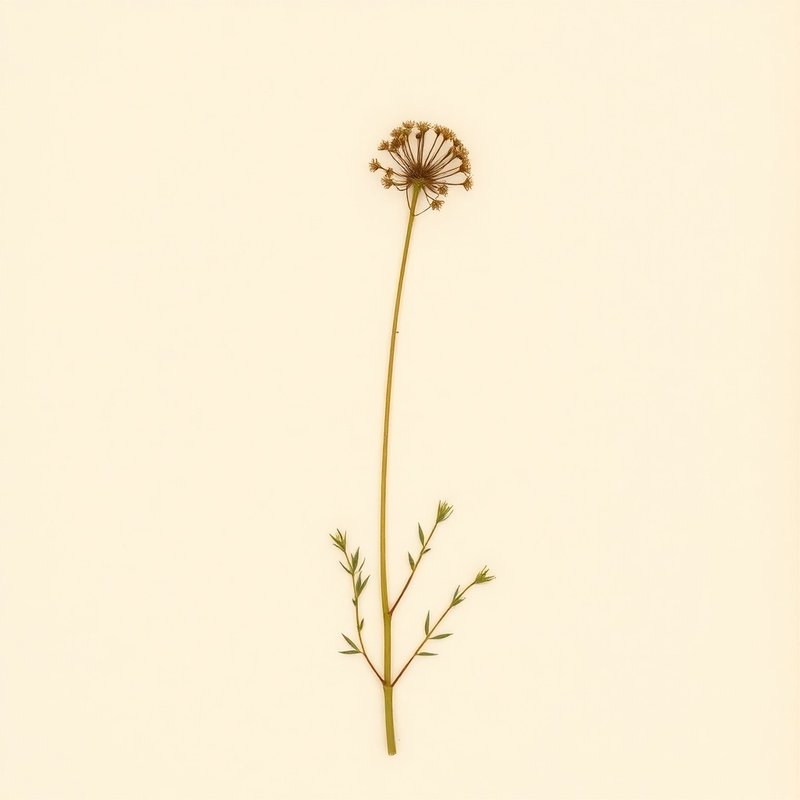
Pl. 29F2 — Eryngium viride
Eryngium virideEryngium virideEryngium virideEryngium virideEryngium virideEryngium virideEryngium virideEryngium virideEryngium virideEryngium virideEryngium virideEryngium virideEryngium virideEryngium viride
IOverview
Overview
Green Sea Holly, scientifically known as Eryngium viride and a member of the Apiaceae family, is a perennial plant native to Kriti. This hardy species thrives in full sun and can tolerate both dry and moist conditions, making it adaptable to various soil types, including light (sandy) and medium textures. Known for its culinary and medicinal uses, Green Sea Holly's edible parts include its leaves, which add a unique, slightly bitter taste to salads, soups, and stews. Additionally, the plant has been used traditionally for its medicinal properties, contributing to its significance in certain herbal practices. Its distinctive spiky foliage, reminiscent of sea holly, gives it an interesting ornamental value, though it is not commonly cultivated for that purpose. One should exercise caution when using any part of the plant for medicinal purposes, as safety claims should be verified through professional sources. Eryngium viride thrives in full sun and prefers well-draining light or medium soil. It is adaptable to both dry and moist conditions but generally performs best with moderate watering. This perennial plant is hardy in temperate regions and can be propagated through division of the roots. Harvest its edible leaves for culinary use.
Quick answers
What is Green Sea Holly?
Green Sea Holly, scientifically known as Eryngium viride and a member of the Apiaceae family, is a perennial plant native to Kriti. This hardy species thrives in full sun and can tolerate both dry and moist conditions, making it adaptable to various soil types, including light (sandy) and medium textures.
Compare with:Asafoetida - Devil's Dung Hing (Indian)→Cumin - Jeera→Eryngium graecum→all comparisons →
IV·bMixology suggestions
2 drafts
Mixology suggestions
2 draftsEditorial drafts. These pairings are AI-suggested from traditional herbal lore. Always verify with a qualified herbalist before brewing.
Digestive Harmony
digestiontincture
Traditionally used for digestive issues.
Skin Soothing
skindecoction
Historically used for skin conditions.
Growingconditions · propagation · uses
VCultivation
Cultivation
Eryngium viride thrives in full sun and prefers well-draining light or medium soil. It is adaptable to both dry and moist conditions but generally performs best with moderate watering. This perennial plant is hardy in temperate regions and can be propagated through division of the roots. Harvest its edible leaves for culinary use.
Light
Full sun
Water
Dry, Moist
Soil
Light (sandy), Medium
Life cycle
Perennial
For first-time growers
How to grow Green Sea Holly for the first time
8steps
Start with Green Sea Holly as a simple, low-maintenance perennial for your garden.
- 1
What you'll need
Seeds or small plants, a trowel, and a watering can.
- 2
Best time to plant
Plant in spring after the last frost or in fall before the first freeze.
- 3
Soil and container prep
Choose a spot with full sun. Ensure soil is well-draining, light (sandy) to medium.
- 4
Sowing or transplanting
Direct sow seeds 1/4 inch deep or plant small plants at 2 feet apart in the garden.
- 5
First two weeks
Water regularly until established. Keep soil moist but not waterlogged.
- 6
Ongoing care
Water sparingly, especially once established. Deadhead flowers to encourage more blooms.
- 7
Harvest or pruning
Prune dead leaves and spent flower heads in late winter to maintain plant health.
- 8
Common mistakes
Overwatering, planting too close together, neglecting to prune.
VIEdible & utility
Edible & utility
Edible parts:Leaves
Edible uses: The leaves of Eryngium viride are edible and can be consumed raw or cooked. They are often used in salads for their slightly bitter taste or added to soups and stews for flavoring. Skip the detailed preparation methods as they were not provided.
Contextrange · companions · related
VIIDistribution
1 native · 0 introduced
Distribution
1 native · 0 introducedDistribution across0 continents· 1 native
Broader regions
native:Kriti
IXSpecimen gallery
1 image
Specimen gallery
1 imageXSee also
8 related
See also
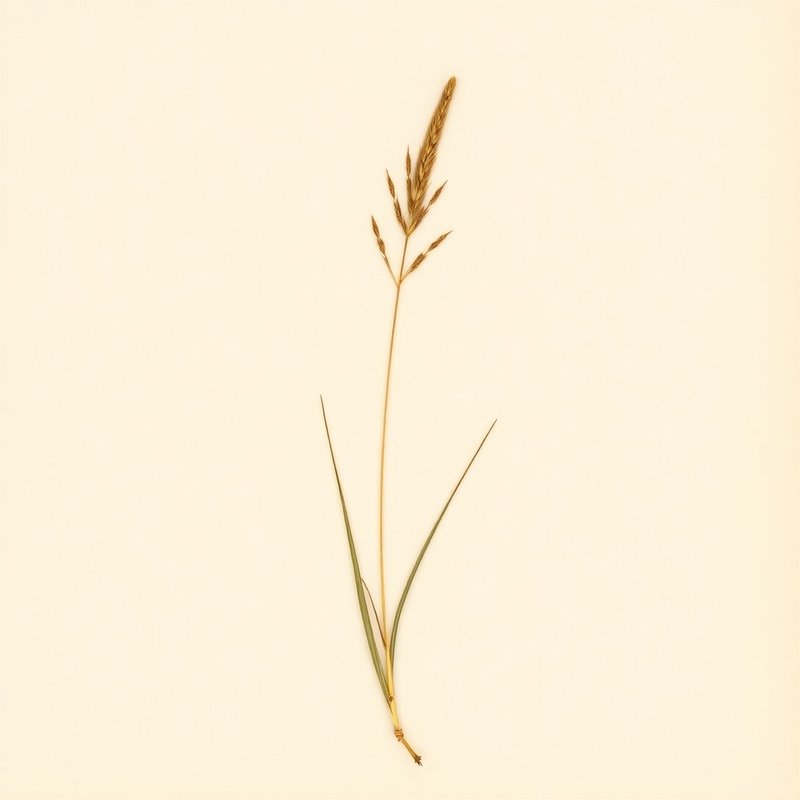
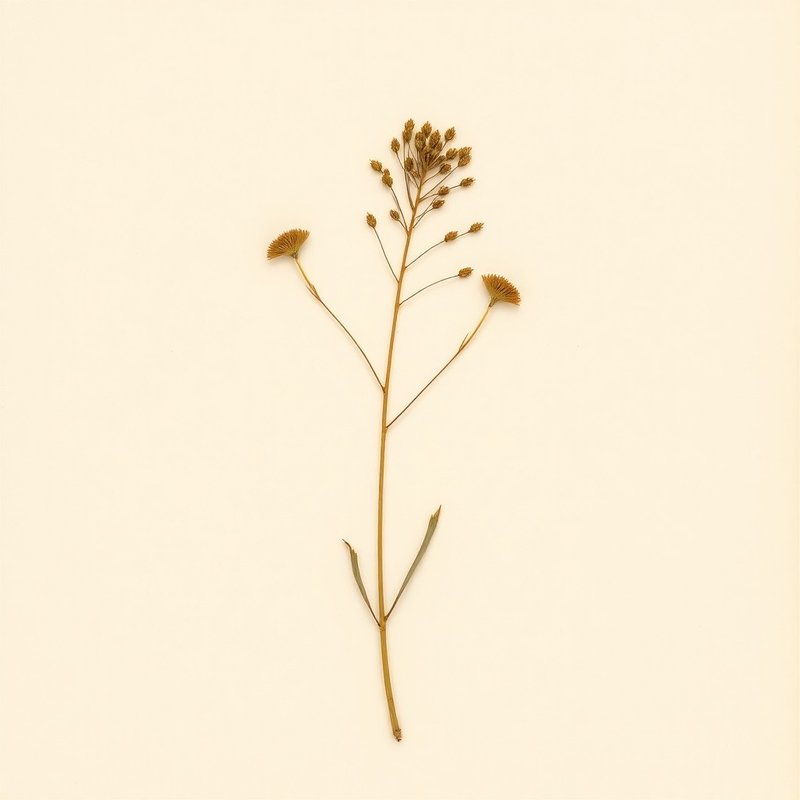
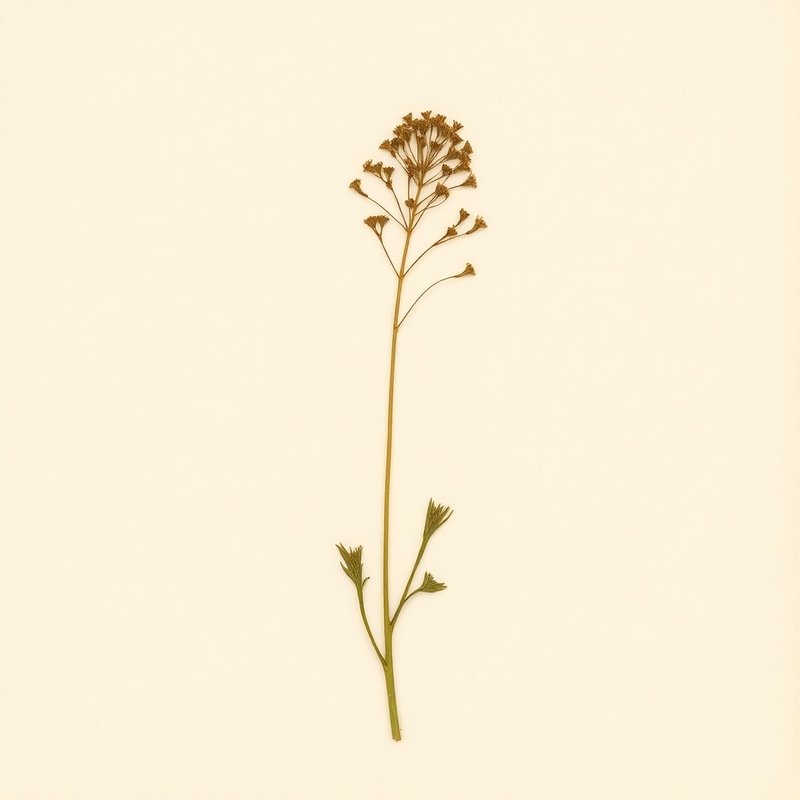
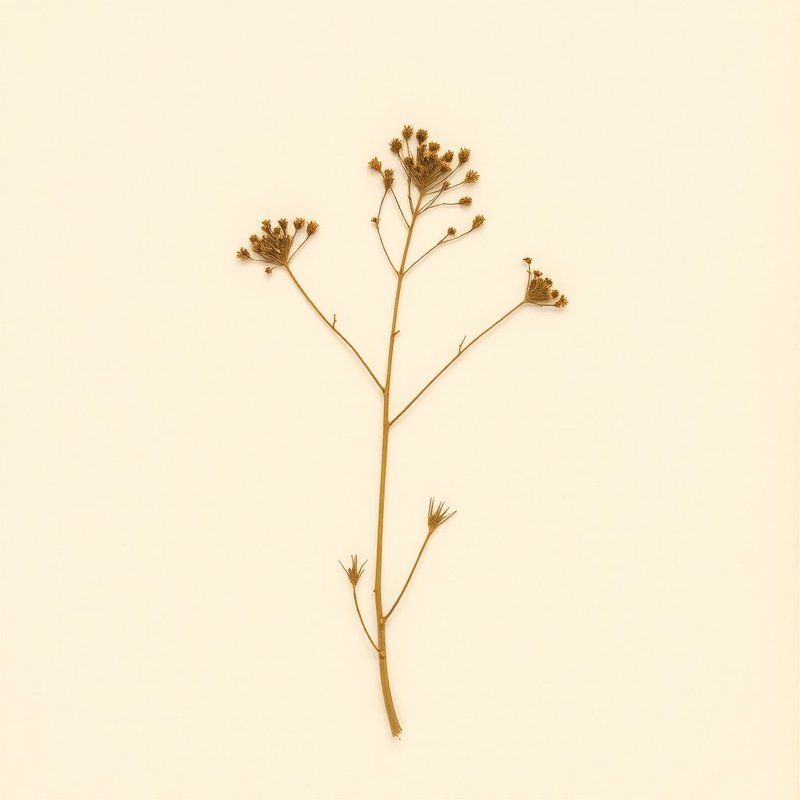
8 relatedPlants you might compare or use together — scored by shared family (Apiaceae), common use cases, and growing requirements.
same family · Apiaceae
Botanical relatives — often share phytochemistry + growing needs.

XI
Explore further
Companion planting
Compare with similar plants
Native to
XII
About this entry
- Last updated
- Citation
- How to cite this entry · Submit a correction
Back to the cataloguePlant id · 29f21acd-d5fe-4f56-994f-3483c3dc891f
Decision aid
Choosing between Green Sea Holly and something else?
Continue reading
❦❦❦❦
Endpaper · archive updates
Get archive updates
Occasional email when substantial new content lands — plant profiles, seasonal growing notes, folk-remedy additions. Free, no tracking, unsubscribe anytime.
Newsletter returning soon.
We are rebuilding the update list around a lightweight editorial workflow. New dispatches will resume after the next content review cycle.