
Asafoetida - Devil's Dung Hing (Indian)
Ferula assa-foetidafam. Apiaceae
Educational content — not medical, botanical, or professional advice. Always consult a qualified clinician before using any herbal preparation — especially during pregnancy, breastfeeding, while on medication, or for children. How we source & review →
Garden journal pausedUse profile notes below
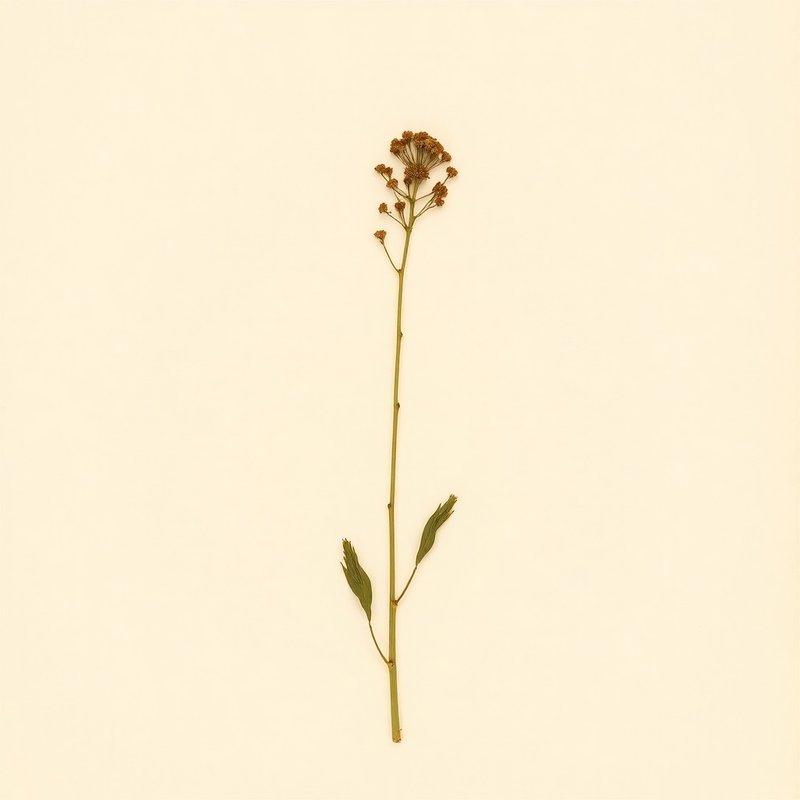
Pl. 3724 — Ferula assa-foetida
Ferula assa-foetidaFerula assa-foetidaFerula assa-foetidaFerula assa-foetidaFerula assa-foetidaFerula assa-foetidaFerula assa-foetidaFerula assa-foetidaFerula assa-foetidaFerula assa-foetidaFerula assa-foetidaFerula assa-foetidaFerula assa-foetidaFerula assa-foetida
IOverview
Overview
Asafoetida, known as Asafoetida or Devil's Dung in India, belongs to the Apiaceae family and is native to Iran. This perennial plant can grow up to 2 meters tall and thrives in full sun, adapting well to various soil types—light (sandy), medium, and heavy (clay)—and is hardy in zones 7-10. Asafoetida has both culinary and medicinal uses; its pungent root, leaves, and shoots are edible parts that can be used in cooking or processed for medicinal purposes. The distinctive feature of this plant lies in the resinous sap extracted from the roots, which is highly valued for its strong odor and unique flavor, making it a crucial ingredient in certain cuisines despite its strong aroma. Asafoetida is also used as a deodorant, essential oil, gum, and for pest control, and its fragrance is appreciated in perfumery. Introduced into Bangladesh, Laos, Libya, Turkmenistan, and Uzbekistan, this plant has spread beyond its native range, making it a versatile addition to gardens and culinary practices. While the resin is used in various applications, caution should be exercised due to its strong odor and potential for allergic reactions.
Quick answers
What is Asafoetida - Devil's Dung Hing (Indian)?
Asafoetida, known as Asafoetida or Devil's Dung in India, belongs to the Apiaceae family and is native to Iran. This perennial plant can grow up to 2 meters tall and thrives in full sun, adapting well to various soil types—light (sandy), medium, and heavy (clay)—and is hardy in zones 7-10.
IV·bMixology suggestions
1 draft
Mixology suggestions
1 draftEditorial drafts. These pairings are AI-suggested from traditional herbal lore. Always verify with a qualified herbalist before brewing.
Asafoetida - Devil's Dung Hing (Indian) support blend
generaltea
AI returned a direct ingredient list; normalized into one draft blend for editorial review.
Growingconditions · propagation · uses
VCultivation
Cultivation
Asafoetida thrives in full sun and prefers well-drained soil that can be light (sandy), medium, or heavy (clay). It is drought-tolerant but benefits from occasional moisture, especially during dry periods. This perennial plant grows up to 2 meters tall and is hardy in zones 7-10, making it suitable for temperate regions. Propagate asafoetida through root division or seed sowing. Harvest its leaves, roots, and shoots for culinary use.
Light
Full sun
Water
Dry, Moist
Soil
Light (sandy), Medium, Heavy (clay)
Hardiness
7-10
Life cycle
Perennial
Mature size
2.0 m tall
For first-time growers
How to grow Asafoetida - Devil's Dung Hing (Indian) for the first time
8steps
Start with planting Asafoetida in a sunny spot and follow these simple steps for success.
- 1
What you'll need
Seeds or young plants, good quality soil, containers if needed.
- 2
Best time to plant
Plant in spring after the last frost or in fall before the first freeze.
- 3
Soil and container prep
Use well-draining soil; mix sand into heavy clay soils. Ensure containers are at least 30 cm deep.
- 4
Sowing or transplanting
Direct sow seeds 2-3 cm deep, or transplant young plants with care to avoid damaging roots.
- 5
First two weeks
Keep soil consistently moist but not waterlogged. Provide light shade if direct sun is too intense.
- 6
Ongoing care
Water when the top inch of soil dries out, especially during dry spells. Mulch to retain moisture and suppress weeds.
- 7
Harvest or pruning
Prune dead leaves and shoots in early spring to encourage new growth.
- 8
Common mistakes
Overwatering, planting too deep, not providing enough sunlight, neglecting mulching.
VIEdible & utility
Edible & utility
Edible parts:LeavesRootShoots
Edible uses: Condiment, Gum
Other uses:DeodorantEssential OilGumPest controlFragrance
Contextrange · companions · related
VIIDistribution
1 native · 5 introduced
Distribution
1 native · 5 introducedDistribution across2 continents· 1 native· 5 introduced
Asia5 regions
native (1)Iran
introduced (4)BangladeshLaosTurkmenistanUzbekistan
Africa1 region
introduced (1)Libya
IXSpecimen gallery
1 image
Specimen gallery
1 imageXSee also
8 related
See also
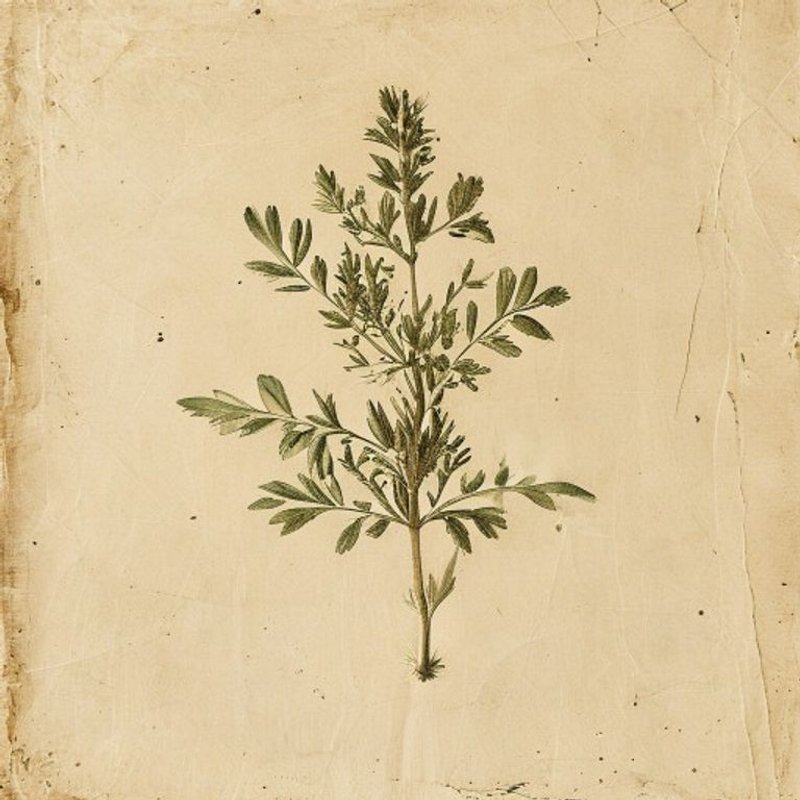
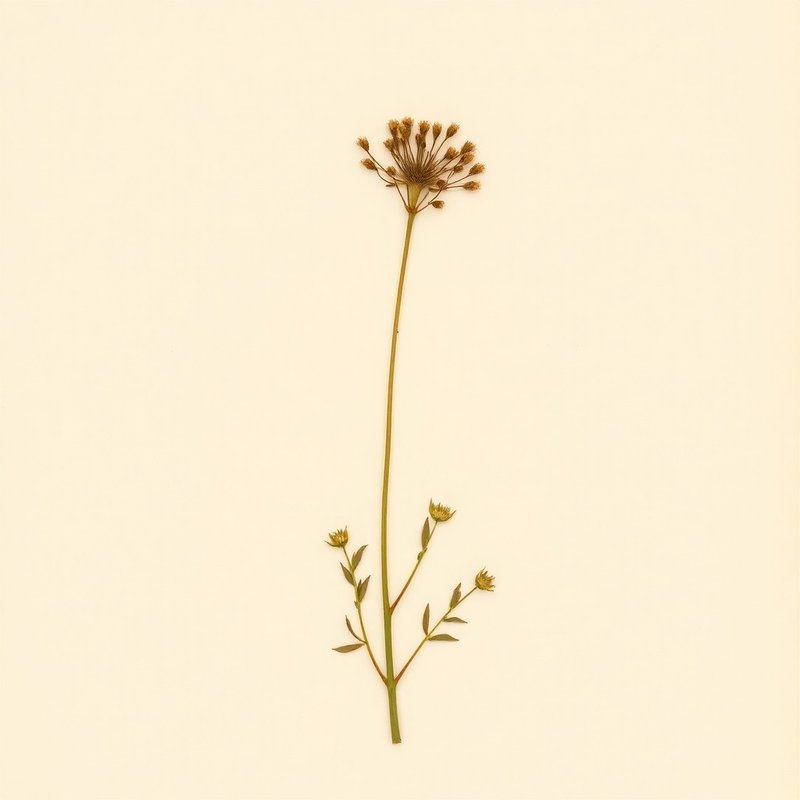
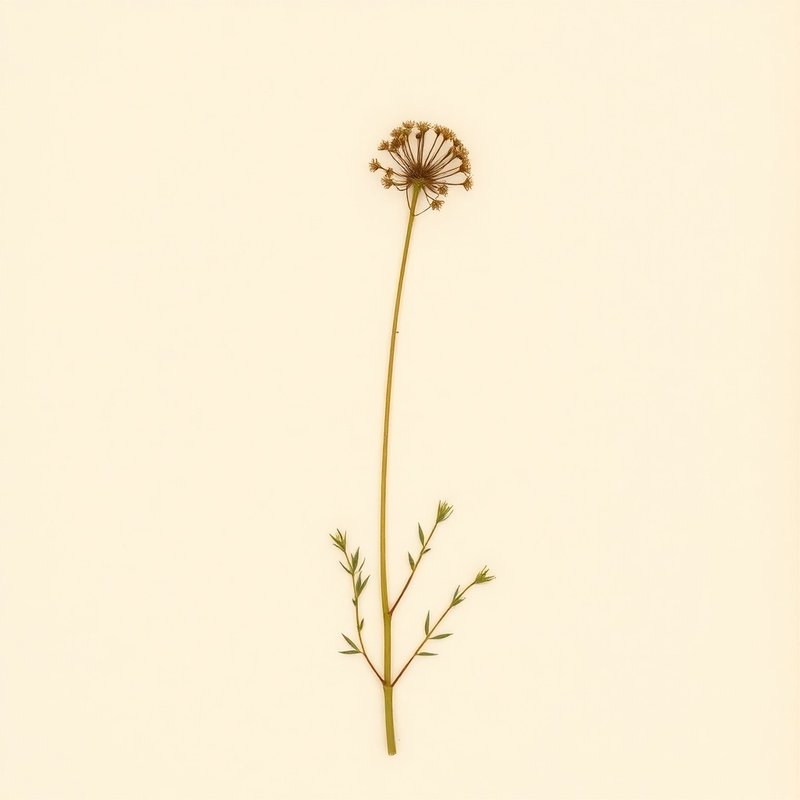
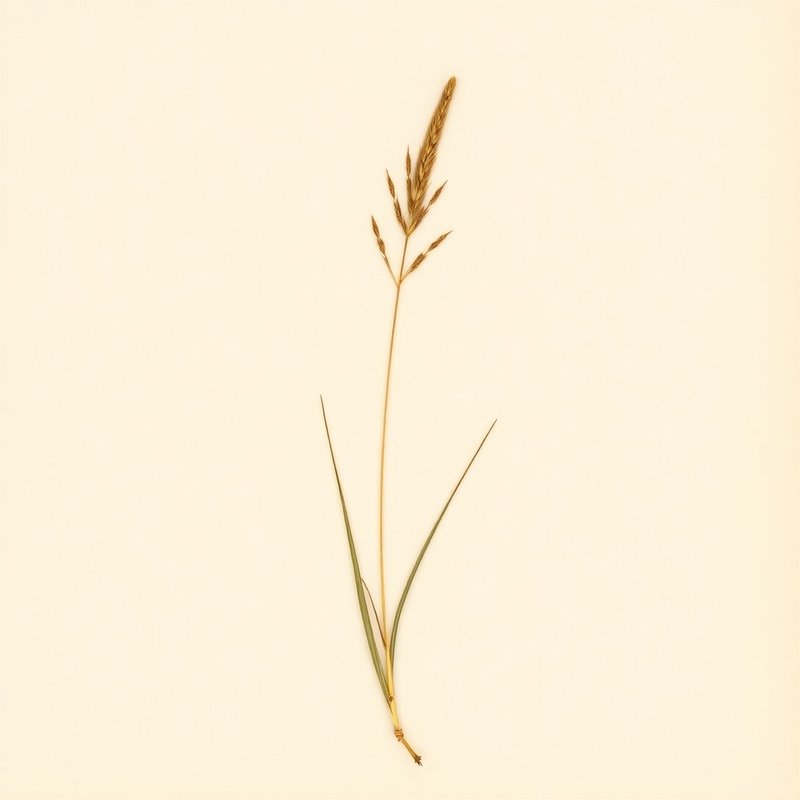
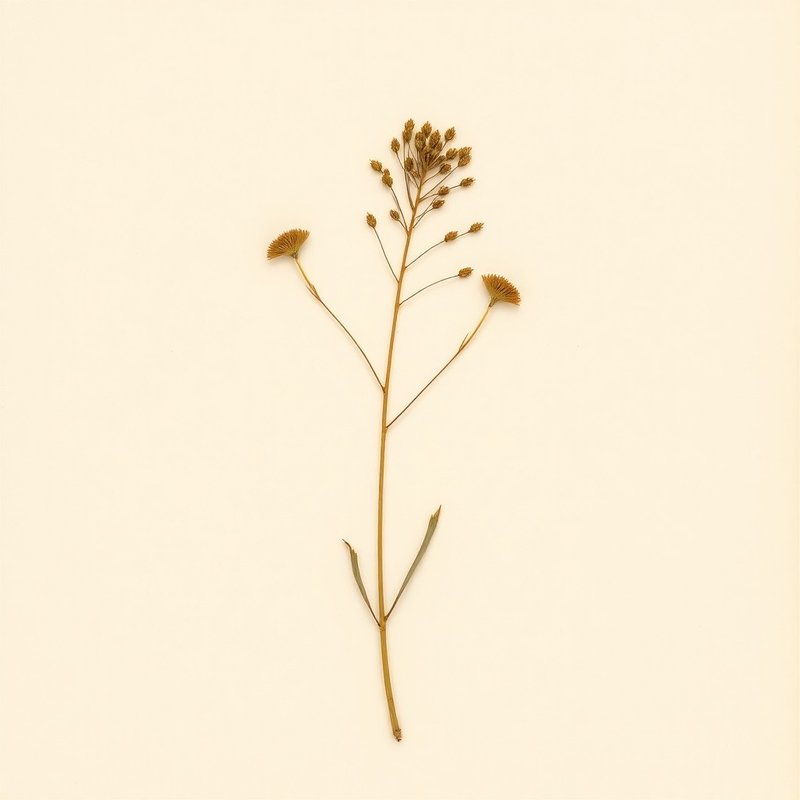
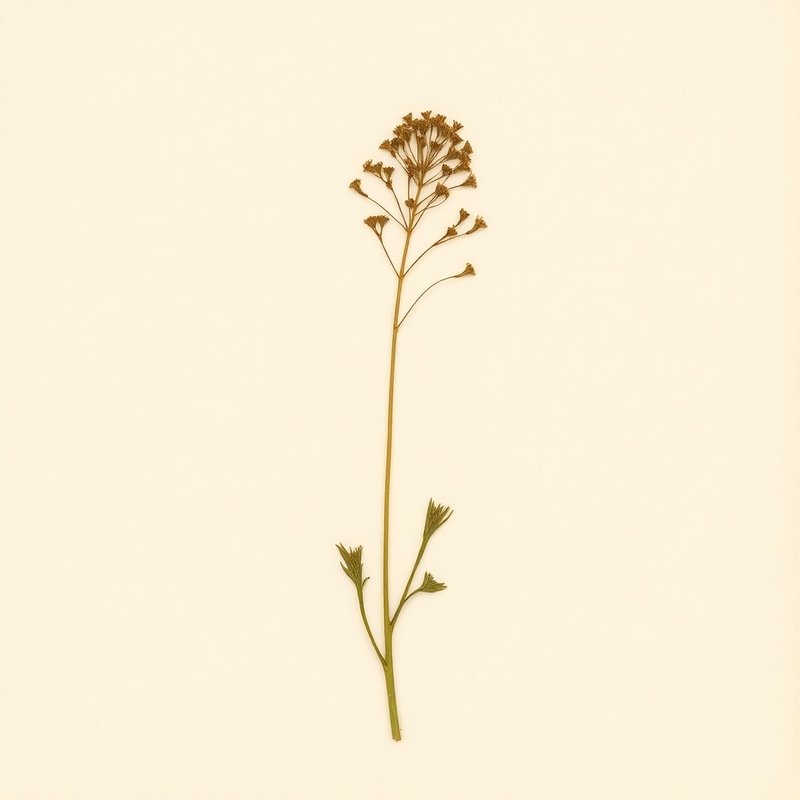
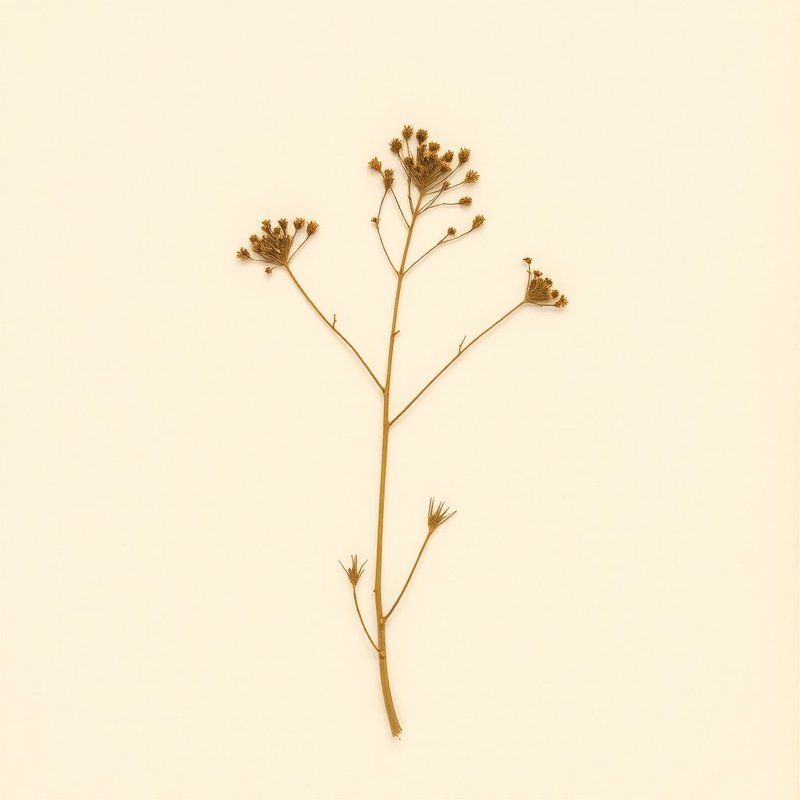
8 relatedPlants you might compare or use together — scored by shared family (Apiaceae), common use cases, and growing requirements.
same family · Apiaceae
Botanical relatives — often share phytochemistry + growing needs.

XI
Explore further
Companion planting
Compare with similar plants
Growing zone
Native to
XII
About this entry
- Last updated
- Citation
- How to cite this entry · Submit a correction
Back to the cataloguePlant id · 372467f8-a79c-4ca9-ac68-b3a6ede4d0e4
Decision aid
Choosing between Asafoetida - Devil's Dung Hing (Indian) and something else?
Continue reading
❦❦❦❦
Endpaper · archive updates
Get archive updates
Occasional email when substantial new content lands — plant profiles, seasonal growing notes, folk-remedy additions. Free, no tracking, unsubscribe anytime.
Newsletter returning soon.
We are rebuilding the update list around a lightweight editorial workflow. New dispatches will resume after the next content review cycle.