
Black Box
IOverview
Overview
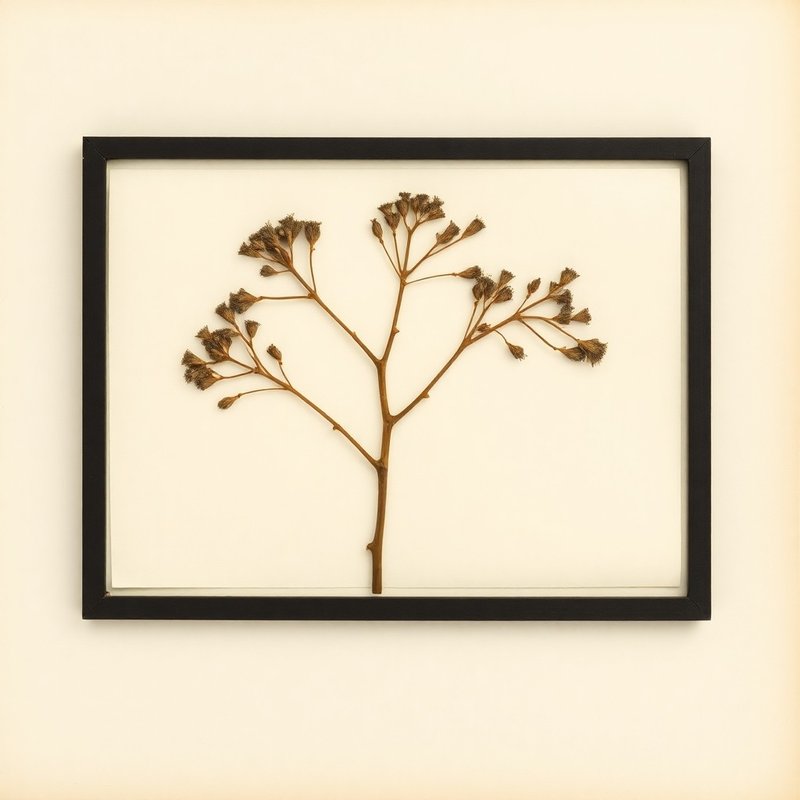
Black Box (Eucalyptus largiflorens) is a medium-sized tree native to the eastern and southern regions of Australia, including New South Wales, Queensland, South Australia, Victoria, and the Northern Territory. Known for its versatility, this eucalyptus species has both edible and medicinal uses. It thrives in full sun and can tolerate dry, moist, or wet conditions, making it adaptable to various soil types such as light (sandy), medium, and heavy (clay). The tree reaches a height of 18 meters and is often recognized by its distinctive rough, dark bark. Seeds are the primary method for propagation. The Black Box tree is not only a valuable source of essential oil, lumber, and fragrance but also has edible seeds that can be eaten raw or ground into flour. The seeds are harvested from the pods and used in various culinary applications, though specific preparation methods are not widely documented. This tree is also native to and has been introduced into regions such as China Southeast, Eritrea, and Ethiopia, showcasing its adaptability and utility. In terms of cultivation, Black Box thrives in full sun and can tolerate a variety of soil types, from light sandy to medium and heavy clay soils. It prefers moist to wet conditions but is also adaptable to dry environments. This tree grows up to 18 meters tall and is hardy in temperate regions (zones 9-11). For propagation, use seeds, ensuring the planting site has well-draining soil to prevent waterlogging, which can be detrimental to its health. While the tree is not typically used for medicinal purposes, its compounds may have potential benefits that are yet to be fully explored.
What is Black Box?
Black Box (Eucalyptus largiflorens) is a medium-sized tree native to the eastern and southern regions of Australia, including New South Wales, Queensland, South Australia, Victoria, and the Northern Territory. Known for its versatility, this eucalyptus species has both edible and medicinal uses.
IV·bMixology suggestions
1 draft
Mixology suggestions
1 draftVCultivation
Cultivation
How to grow Black Box for the first time
Start with planting a Black Box tree in your garden for its hardiness and beauty, even if you're a beginner.
- 1
What you'll need
A young Black Box sapling, well-draining soil, and a large pot or space in the ground.
- 2
Best time to plant
Plant during spring or autumn when temperatures are mild.
- 3
Soil and container prep
Ensure the soil is well-draining. For containers, use a mix of light (sandy), medium, and heavy (clay) soils.
- 4
Sowing or transplanting
Transplant young saplings directly into their permanent spot if possible; avoid disturbing roots by planting in early spring.
- 5
First two weeks
Water regularly to help the tree establish, but be careful not to overwater.
- 6
Ongoing care
Provide full sun and water according to soil type—dry, moist, or wet. Prune lightly in winter to maintain shape.
- 7
Harvest or pruning
Prune the tree annually to encourage a healthy growth pattern; remove any dead or damaged branches.
VIEdible & utility
Edible & utility
VIIDistribution
5 native · 3 introduced
Distribution
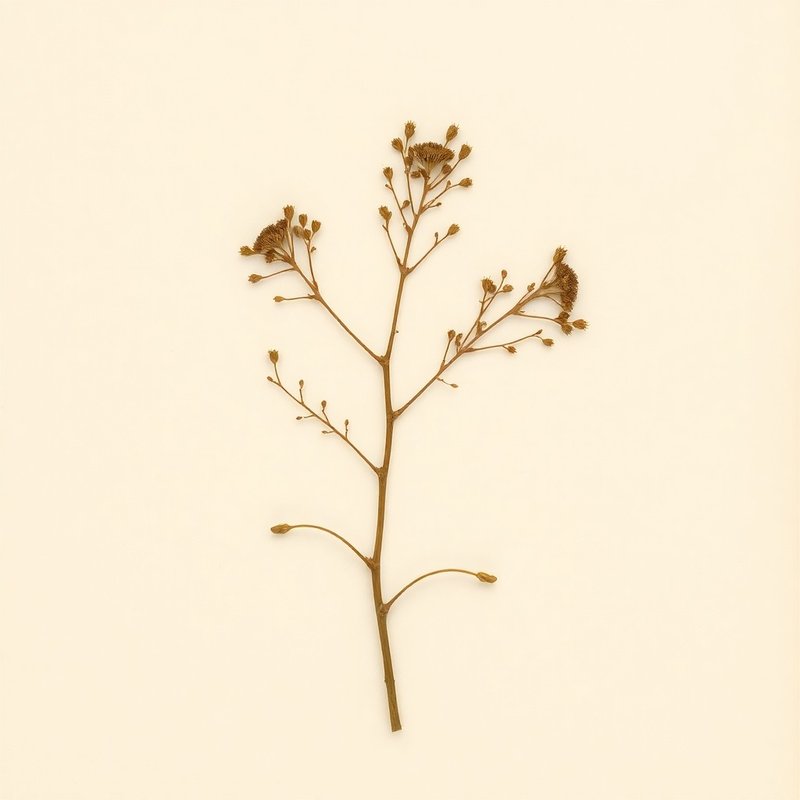
5 native · 3 introducedIXSpecimen gallery
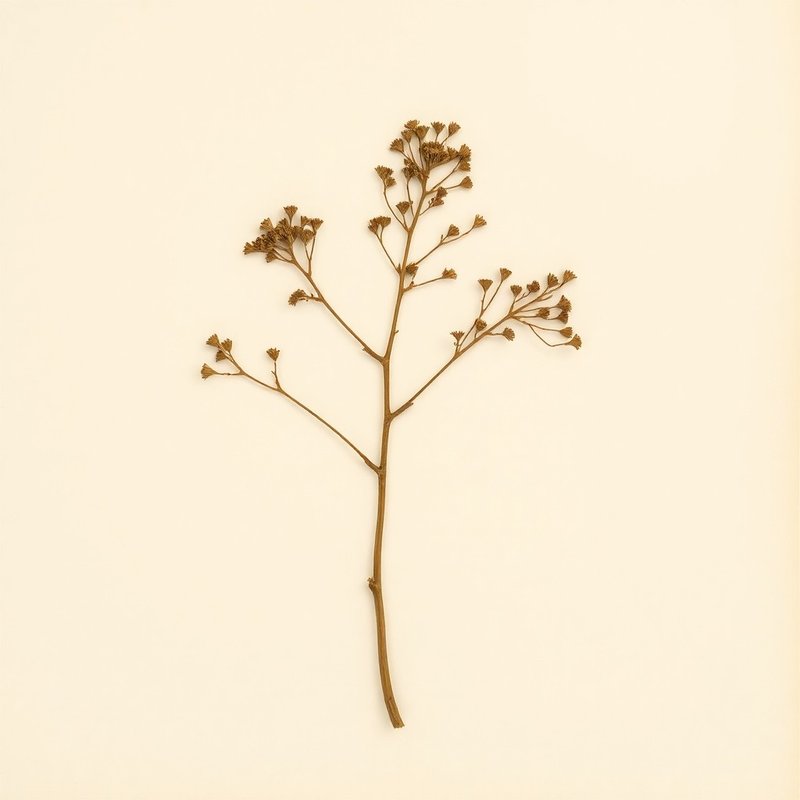
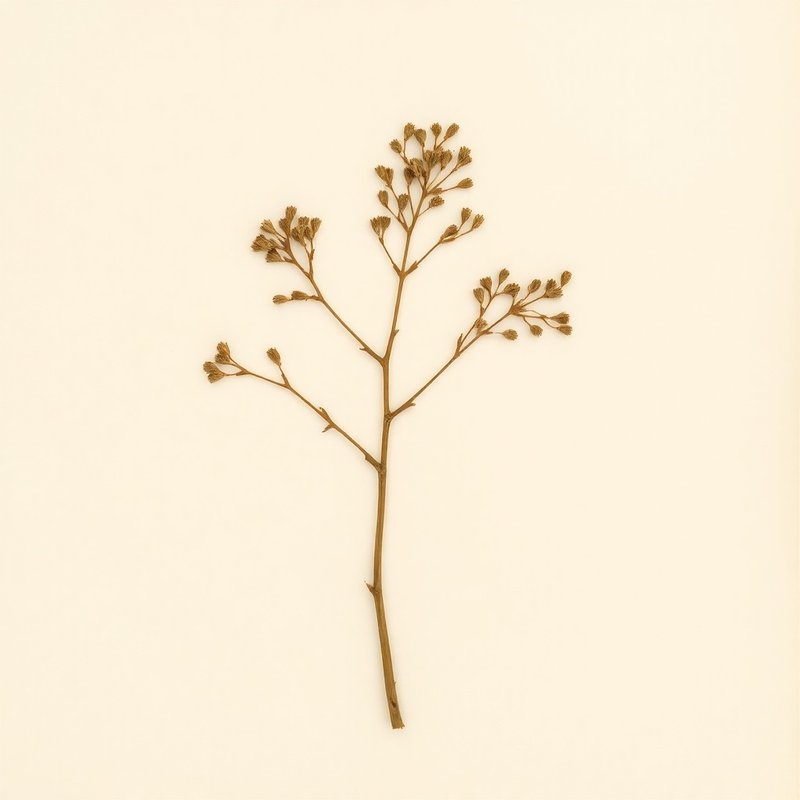
1 image
Specimen gallery
1 imageXSee also
8 related
See also
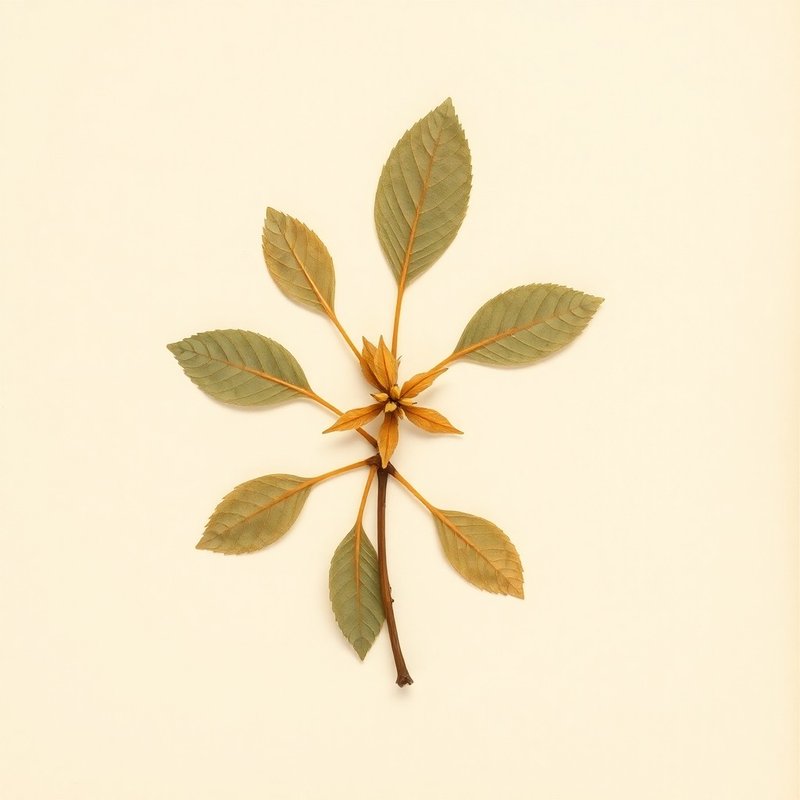
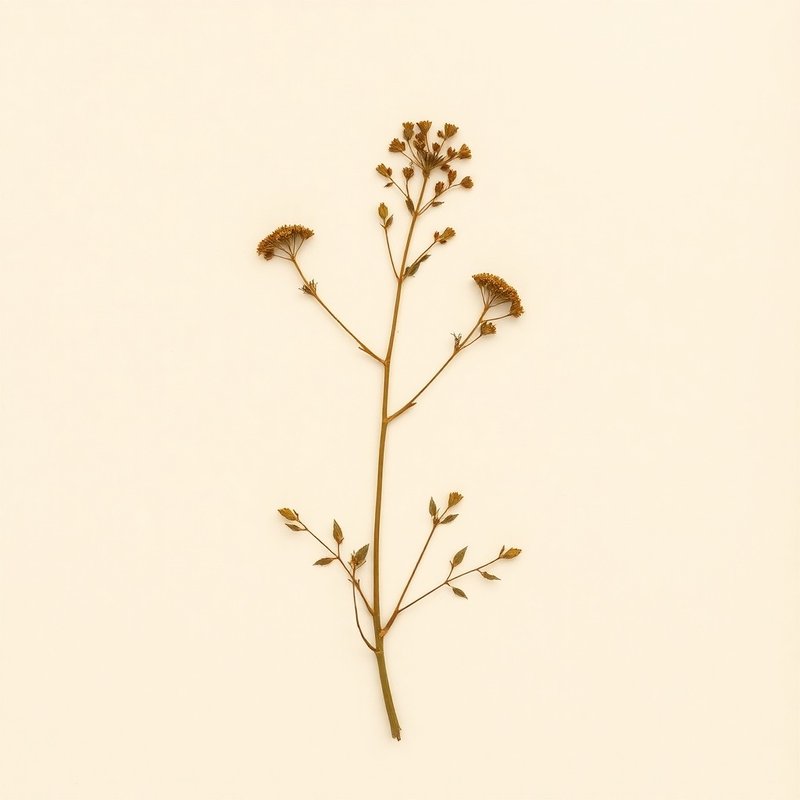
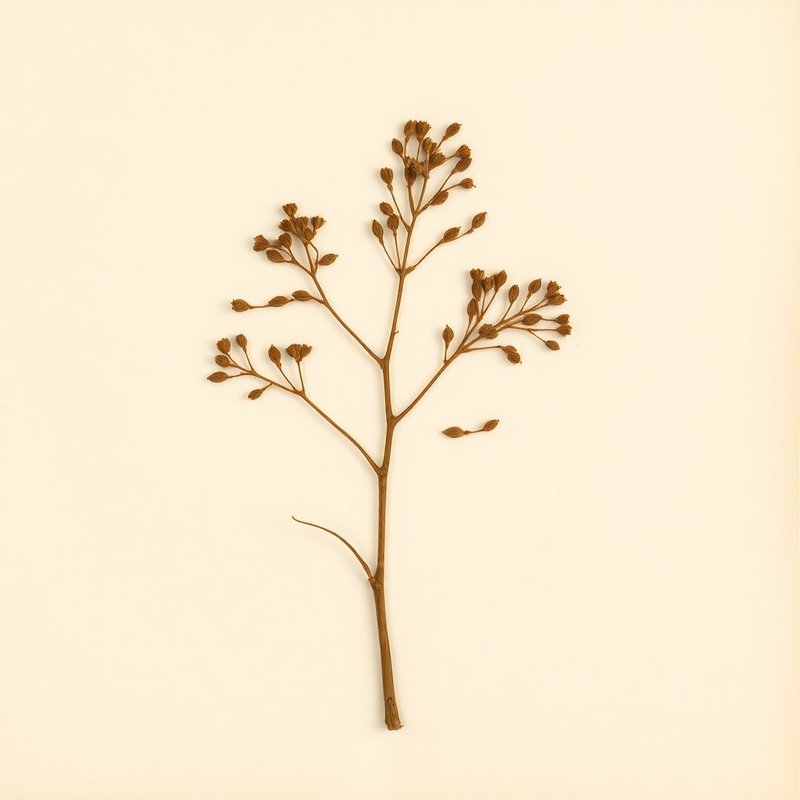
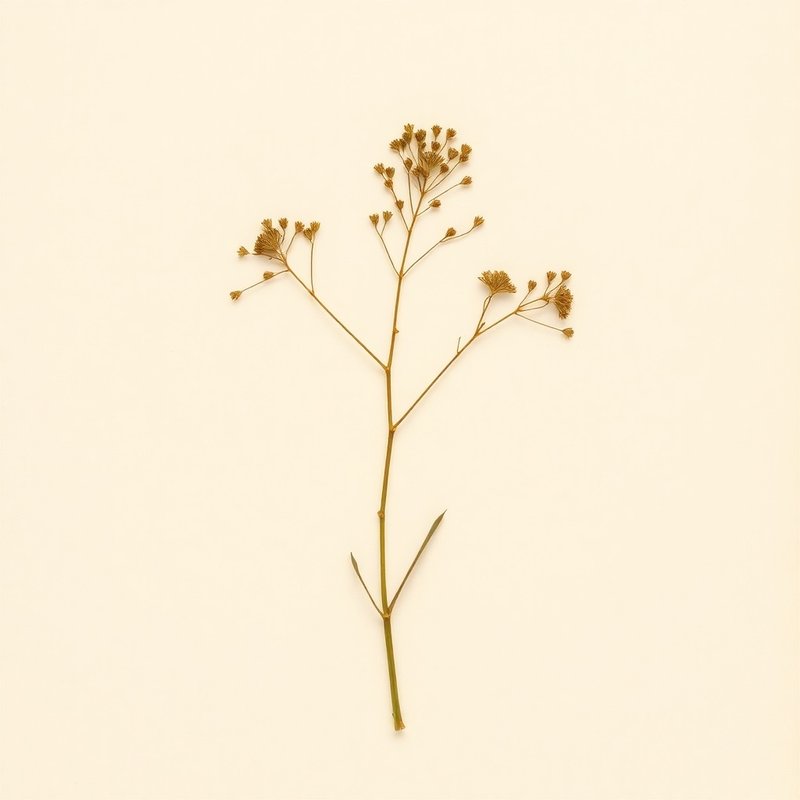
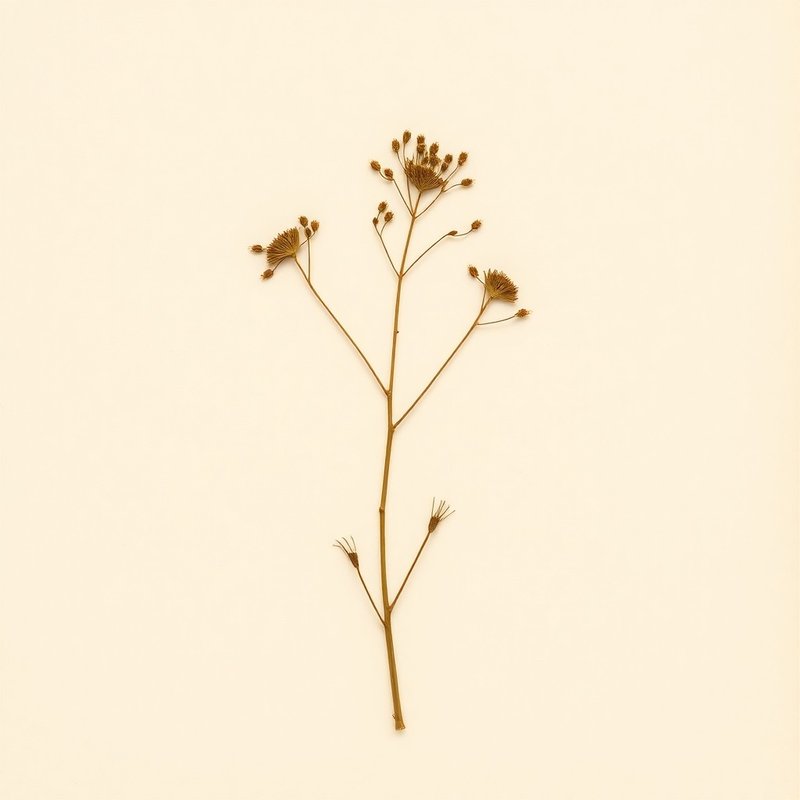
8 relatedPlants you might compare or use together — scored by shared family (Myrtaceae), common use cases, and growing requirements.
Explore further
About this entry
- Last updated
- Citation
- How to cite this entry · Submit a correction
Continue reading
Get archive updates
Occasional email when substantial new content lands — plant profiles, seasonal growing notes, folk-remedy additions. Free, no tracking, unsubscribe anytime.