
Fleshy spurge
IOverview
Overview
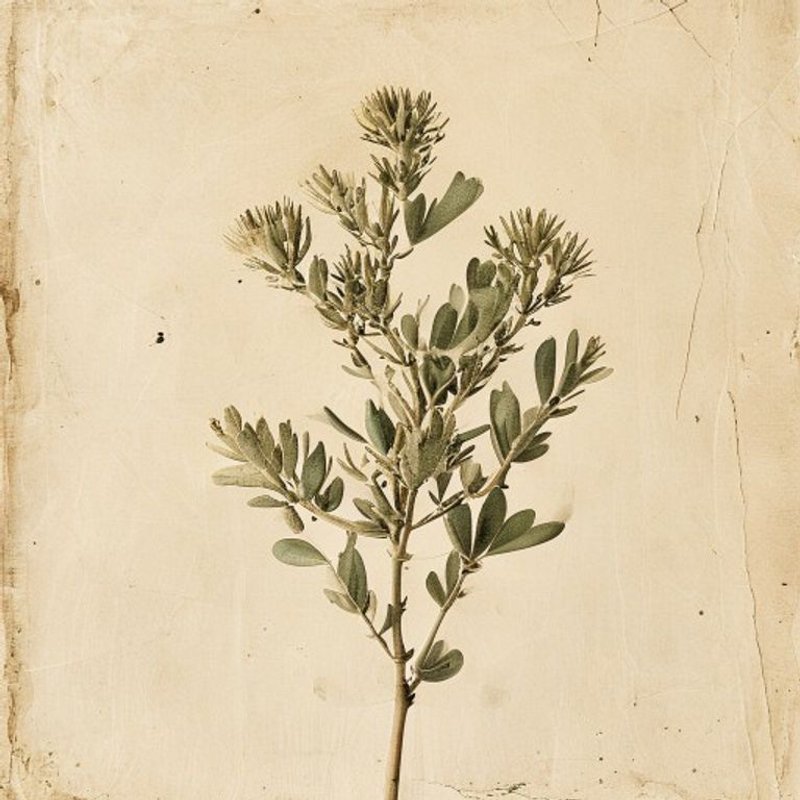
Fleshy spurge, scientifically known as Euphorbia neriifolia, is a shrub native to Bangladesh, India, Myanmar, Pakistan, and Sri Lanka. It is also found in Assam, a state in northeastern India. This plant thrives in full sun to partial shade and prefers dry conditions, making it well-suited for light (sandy) and medium soil types. Fleshy spurge can grow up to 4 meters in height and is known for its edible leaves, which can be consumed raw or cooked and are often used in stews and soups to add flavor and nutrition. The leaves are fleshy and spiny, giving the plant an interesting appearance. While primarily used for its edible qualities, fleshy spurge can be propagated using its leaves, which are also suitable for growing new plants. It is hardy in zones 10-12, making it a versatile addition to gardens and landscapes in suitable climates.
What is Fleshy spurge?
Fleshy spurge, scientifically known as Euphorbia neriifolia, is a shrub native to Bangladesh, India, Myanmar, Pakistan, and Sri Lanka. It is also found in Assam, a state in northeastern India.
VCultivation
Cultivation
How to grow Fleshy spurge for the first time
Start with Fleshy spurge by planting it in a sunny spot and providing minimal care.
- 1
What you'll need
A small plant or seeds, a pot if container gardening, and basic gardening tools.
- 2
Best time to plant
Plant Fleshy spurge in spring when the weather starts warming up.
- 3
Soil and container prep
Use well-draining soil with a mix of sand and medium texture. Ensure containers have drainage holes.
- 4
Sowing or transplanting
Direct sow seeds outdoors after all danger of frost has passed, or start seeds indoors 4-6 weeks before planting outside.
- 5
First two weeks
Water sparingly to keep the soil moist but not soggy. Place in a sunny spot and avoid direct midday sun.
- 6
Ongoing care
Provide full sun or partial shade, water only when the soil is dry, and ensure good drainage to prevent root rot.
- 7
Harvest or pruning
Prune any dead or damaged leaves to maintain plant health. Leaves can be harvested for culinary use if needed.
- 8
Common mistakes
Overwatering, planting in heavy soil, and not providing enough sunlight are common issues.
VIEdible & utility
Edible & utility
VIIDistribution
8 native · 23 introduced
Distribution
8 native · 23 introducedIXSpecimen gallery
1 image
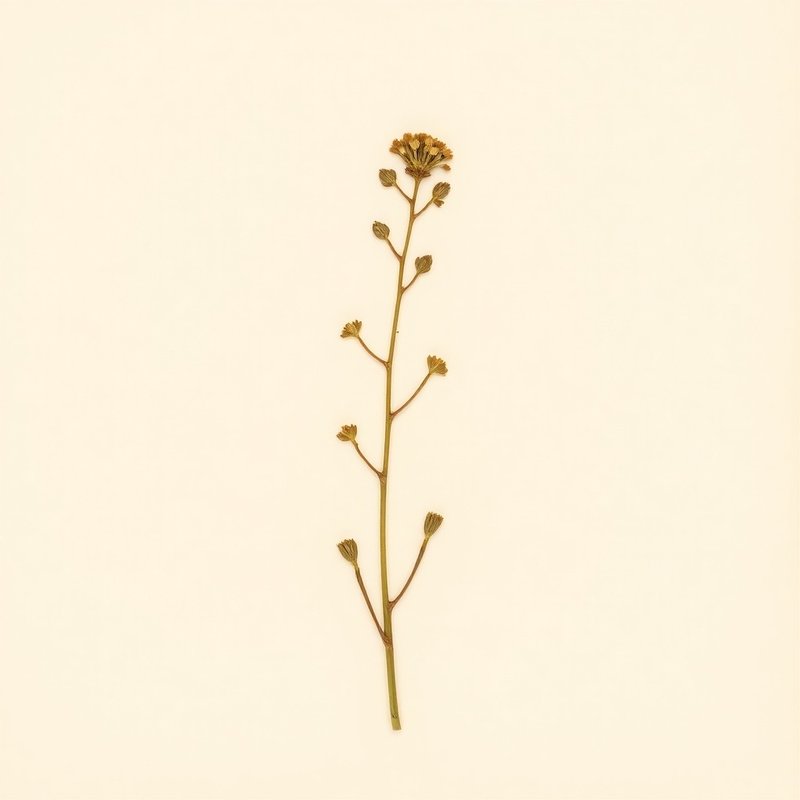
Specimen gallery
1 imageXSee also
8 related
See also
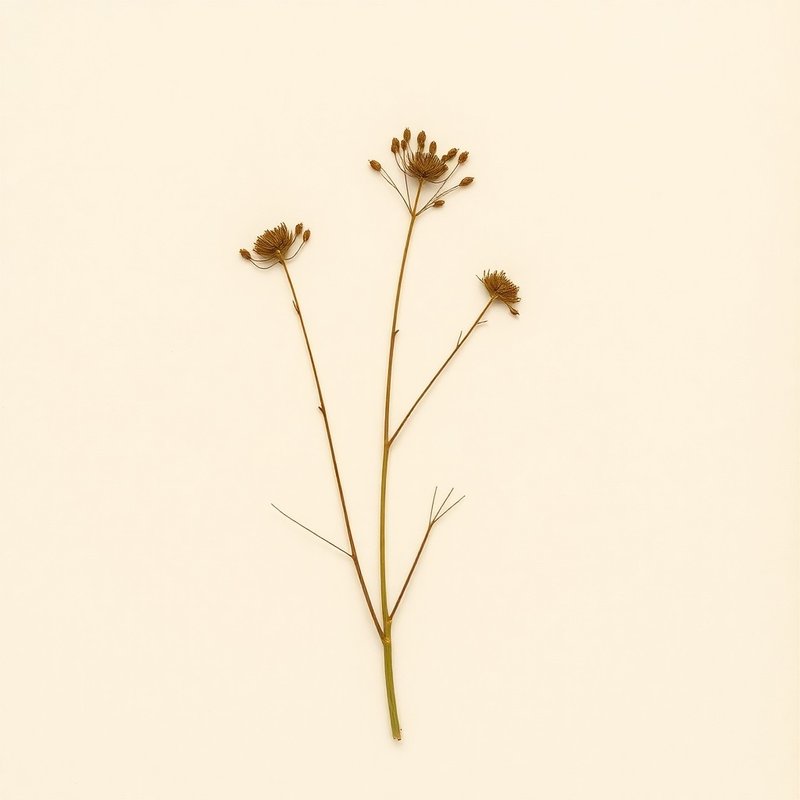
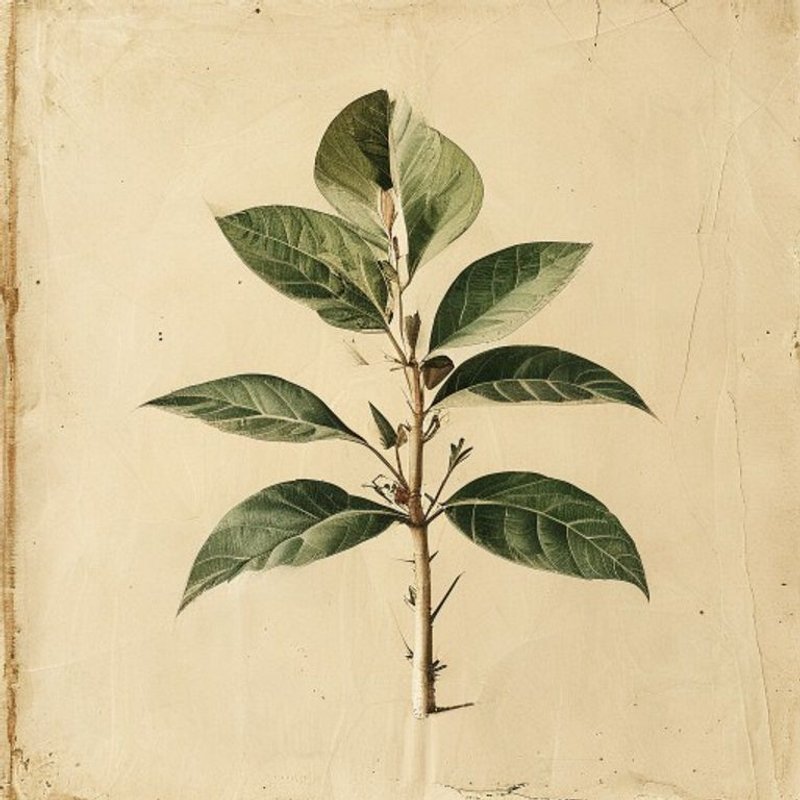
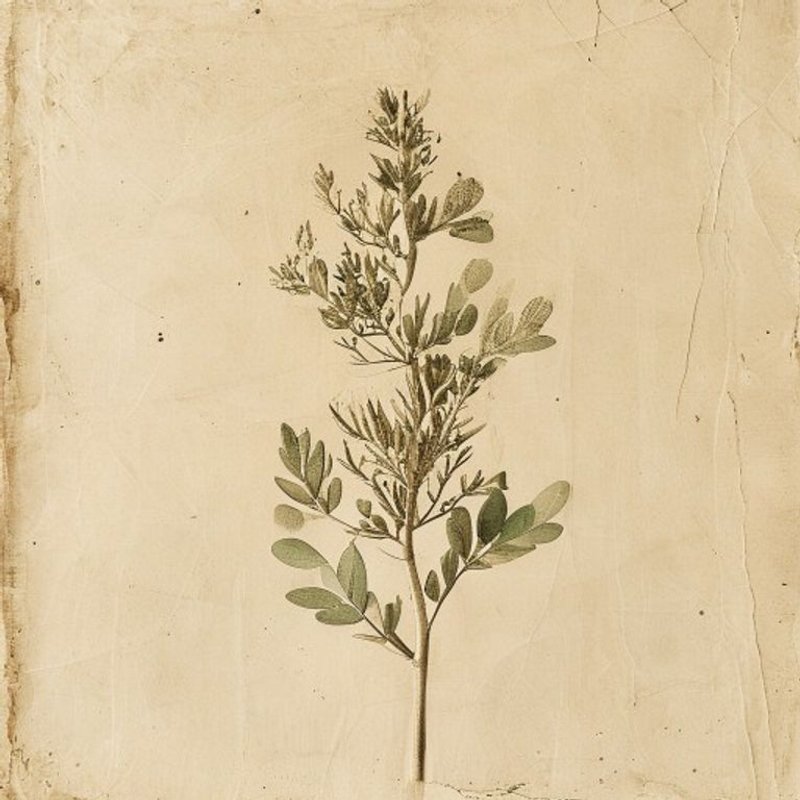
8 relatedPlants you might compare or use together — scored by shared family (Euphorbiaceae), common use cases, and growing requirements.
Explore further
About this entry
- Last updated
- Citation
- How to cite this entry · Submit a correction
Continue reading
Get archive updates
Occasional email when substantial new content lands — plant profiles, seasonal growing notes, folk-remedy additions. Free, no tracking, unsubscribe anytime.