
Castor-Oil Plant
Ricinus communisfam. Euphorbiaceae
Educational content — not medical, botanical, or professional advice. Plant identification, safety, and edibility depend on local conditions, cultivars, and correct identification. Consult a qualified botanist or forager before consuming or handling wild specimens. How we source & review →
Garden journal pausedUse profile notes below
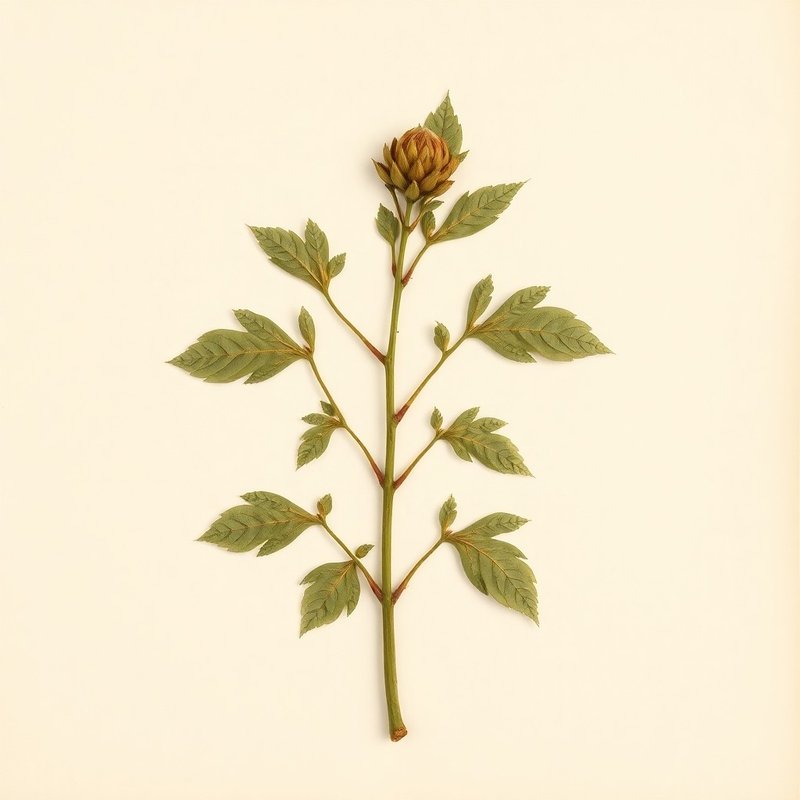
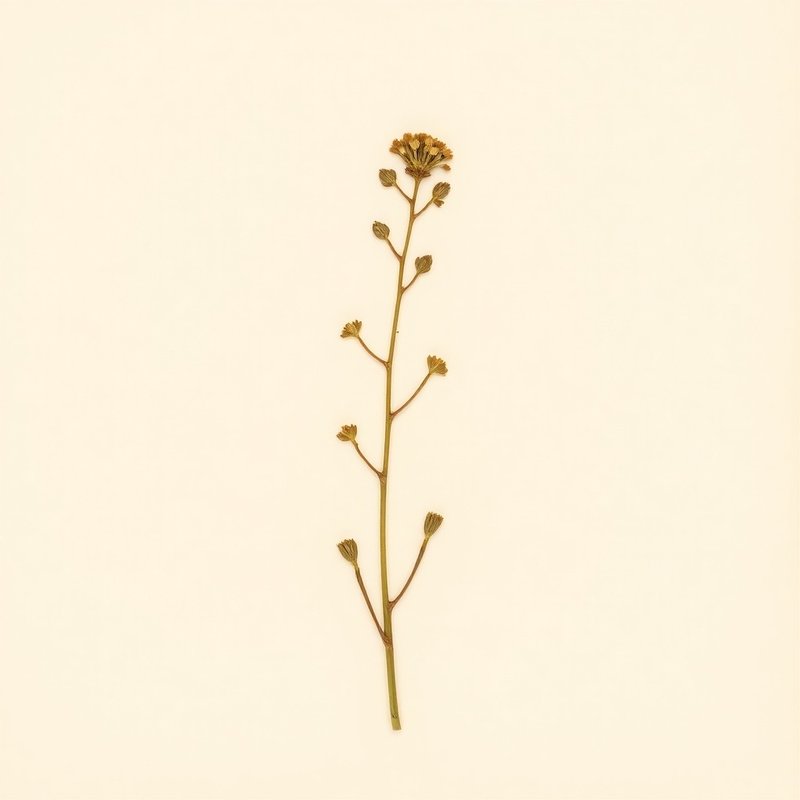
Pl. FFF9 — Ricinus communis
Ricinus communisRicinus communisRicinus communisRicinus communisRicinus communisRicinus communisRicinus communisRicinus communisRicinus communisRicinus communisRicinus communisRicinus communisRicinus communisRicinus communis
IOverview
Overview
The Castor-Oil Plant (Ricinus communis), a member of the Euphorbiaceae family, is a versatile and distinctive shrub or small tree native to the Horn of Africa, including Kenya, Eritrea, Ethiopia, and Somalia. This plant thrives in moist, light to heavy soils with a pH between 7 and 7.5, making it adaptable but preferring slightly alkaline conditions. The Castor-Oil Plant can grow up to 15 feet tall, thriving in environments that require full to partial sunlight, with a light requirement rating of 6/10. This plant is valued for its ornamental qualities due to its large, compound leaves that can be deeply lobed and its striking red seed pods. The seeds are toxic but contain the valuable castor oil, which has various applications including as an industrial lubricant and in cosmetics. The Castor-Oil Plant also serves practical purposes such as providing fiber, animal feed, pest control, and producing castor oil. While the plant is generally hardy with a range of 10-11, it should be noted that its seeds are poisonous and can pose a risk if ingested. Cultivation of this plant requires regular watering to maintain optimal growth, and it is best propagated through direct seeding after the last frost. The Castor-Oil Plant's adaptability and multiple uses make it a valuable addition to gardens and agricultural settings in suitable climates.
Quick answers
What is Castor-Oil Plant?
The Castor-Oil Plant (Ricinus communis), a member of the Euphorbiaceae family, is a versatile and distinctive shrub or small tree native to the Horn of Africa, including Kenya, Eritrea, Ethiopia, and Somalia. This plant thrives in moist, light to heavy soils with a pH between 7 and 7.
Growingconditions · propagation · uses
VCultivation
Cultivation
The Castor-Oil Plant thrives in moist, well-draining soil with a pH of 7-7.5 and prefers light (sandy), medium, or heavy (clay) textures. It requires full to partial sunlight, with a light requirement rating of 6/10. This plant is hardy in temperate regions but can grow up to 1.5-15 feet tall as a tree, shrub, subshrub, or herb. Propagation is best done through seeds, which can be sown directly into the ground after the last frost. Regular watering is essential for optimal growth.
Light
6/10
Water
Moist
Soil
Light (sandy), Medium, Heavy (clay)
Hardiness
10-11
Habit
Tree, Shrub, Subshrub, Forb/herb
Mature size
1.5-15feet m tall
Soil pH
7–7.5
For first-time growers
How to grow Castor-Oil Plant for the first time
8steps
Start with a simple, low-maintenance approach to growing Castor-Oil Plant.
- 1
What you'll need
Seeds or seedlings, potting soil, containers, and a watering can.
- 2
Best time to plant
Plant in spring after the last frost when temperatures are consistently above 60°F (15°C).
- 3
Soil and container prep
Use well-draining potting soil with a pH between 7-7.5. Ensure containers have drainage holes.
- 4
Sowing or transplanting
Start seeds indoors about 6 weeks before the last frost, then transplant outdoors once danger of frost is past.
- 5
First two weeks
Water regularly to keep soil moist but not waterlogged. Place in a sunny spot and protect from strong winds.
- 6
Ongoing care
Provide full sun for at least 6 hours daily, water when the top inch of soil feels dry, and fertilize sparingly with a balanced fertilizer.
- 7
Harvest or pruning
Prune to maintain shape and remove dead leaves. Harvest seeds in late summer after pods turn brown.
- 8
Common mistakes
Overwatering, planting too deep, not providing enough sunlight, using the wrong soil type.
VIEdible & utility
Edible & utility
Edible uses: Oil
Other uses:FiberAnimal feedPest controloil
Contextrange · companions · related
VIIDistribution
4 native · 160 introduced
Distribution
4 native · 160 introducedDistribution across5 continents· 4 native· 160 introduced
Europe8 regions
introduced (8)AlbaniaBulgariaGreeceItalyPortugalRomaniaRussiaSpain
Asia12 regions
introduced (12)BangladeshCambodiaChinaGeorgiaIndiaMaldivesOmanPakistanPalestineSouth KoreaSri LankaThailand
Americas16 regions
introduced (16)BahamasBelizeColombiaCosta RicaCubaDominican RepublicEl SalvadorHaitiHondurasJamaicaNicaraguaParaguayPuerto RicoUnited StatesUruguayVenezuela
Africa34 regions
native (4)EritreaEthiopiaKenyaSomalia
introduced (30)AlgeriaAngolaBeninBotswanaBurkina FasoBurundiChadComorosDjiboutiEgyptEritreaEthiopiaGabonGambiaGuineaGuinea-BissauLibyaMadagascarMaliMauritaniaMoroccoMozambiqueNamibiaRwandaSenegalSomaliaSudanTogoTunisiaWestern Sahara
Oceania4 regions
introduced (4)FijiNauruNew CaledoniaTonga
Broader regions
introduced:Alabama, Andaman Is., Argentina Northeast, Argentina Northwest, Arizona, Arkansas, Aruba, Ascension, Bermuda, Bismarck Archipelago, Brazil West-Central, California, Caprivi Strip, Caroline Is., Cayman Is., Central African Repu, Central American Pac, Chagos Archipelago, Chile Central, Chile North, Christmas I., Cocos (Keeling) Is., Cook Is., East Aegean Is., East Himalaya, Easter Is., Florida, Galápagos, Gilbert Is., Gulf of Guinea Is., Gulf States, Hainan, Illinois, Juan Fernández Is., Kazan-retto, Kentucky, Kermadec Is., Leeward Is., Louisiana, Marianas, Marquesas, Marshall Is., Maryland, Mexico Central, Mexico Gulf, Mexico Northeast, Mexico Northwest, Mexico Southeast, Mexico Southwest, Mississippi, Missouri, Mozambique Channel I, Netherlands Antilles, New South Wales, New York, New Zealand North, Nicobar Is., Niue, Norfolk Is., Ogasawara-shoto, Pitcairn Is., Queensland, Selvagens, Society Is., Socotra, South China Sea, Southwest Caribbean, St.Helena, Sulawesi, Tadzhikistan, Tennessee, Texas, Trinidad-Tobago, Tuamotu, Tubuai Is., Venezuelan Antilles, Wake I., Wallis-Futuna Is., West Himalaya, Windward Is., Zaïre
IXSpecimen gallery
1 image
Specimen gallery
1 imageXSee also
8 related
See also
8 relatedPlants you might compare or use together — scored by shared family (Euphorbiaceae), common use cases, and growing requirements.
same family · Euphorbiaceae
Botanical relatives — often share phytochemistry + growing needs.
XI
Explore further
Companion planting
Compare with similar plants
Growing zone
XII
About this entry
- Last updated
- Citation
- How to cite this entry · Submit a correction
Back to the cataloguePlant id · fff9471a-5a82-4399-949e-7756d5102812
Decision aid
Choosing between Castor-Oil Plant and something else?
Continue reading
❦❦❦❦
Endpaper · archive updates
Get archive updates
Occasional email when substantial new content lands — plant profiles, seasonal growing notes, folk-remedy additions. Free, no tracking, unsubscribe anytime.
Newsletter returning soon.
We are rebuilding the update list around a lightweight editorial workflow. New dispatches will resume after the next content review cycle.