
White Acacia White-thorn Apple ring acacia
Faidherbia albidafam. Fabaceae
Educational content — not medical, botanical, or professional advice. Plant identification, safety, and edibility depend on local conditions, cultivars, and correct identification. Consult a qualified botanist or forager before consuming or handling wild specimens. How we source & review →
Garden journal pausedUse profile notes below
Pl. 20D7 — Faidherbia albida
Faidherbia albidaFaidherbia albidaFaidherbia albidaFaidherbia albidaFaidherbia albidaFaidherbia albidaFaidherbia albidaFaidherbia albidaFaidherbia albidaFaidherbia albidaFaidherbia albidaFaidherbia albidaFaidherbia albidaFaidherbia albida
IOverview
Overview
Faidherbia albida, commonly known as White Acacia or White-thorn Apple ring acacia, is a tall tree in the Fabaceae family, native to a wide range of countries across Africa and the Middle East, including Algeria, Angola, Benin, Botswana, Burkina Faso, Cameroon, and many others. This versatile tree thrives in full sun and can adapt to various soil types, from light (sandy) to medium-textured, making it suitable for both dry and moist conditions. Known for its edible seed, the White Acacia is also valued for its ornamental qualities, featuring distinctive branching that changes with the seasons, offering unique visual interest. This tree is hardy in temperate regions with a USDA zone of 10-12, making it a suitable addition to warmer climates. It is highly versatile in its utility, serving as a fire starter, providing animal feed, lumber, gum, mulch, potash, and even soap making. The White Acacia is also used as a soil conditioner, for erosion control, and as a nitrogen fixer. Its introduction into Ascension, Cyprus, India, Pakistan, and Yemen further highlights its adaptability and usefulness. The White Acacia is particularly notable for its edible seed, which can be harvested and enjoyed. Its ornamental value lies in its unique branching pattern, which changes with the seasons, adding a dynamic element to any landscape. While not traditionally used for medicinal purposes, its diverse utility and adaptability make it a valuable plant in various contexts.
Quick answers
What is White Acacia White-thorn Apple ring acacia?
Faidherbia albida, commonly known as White Acacia or White-thorn Apple ring acacia, is a tall tree in the Fabaceae family, native to a wide range of countries across Africa and the Middle East, including Algeria, Angola, Benin, Botswana, Burkina Faso, Cameroon, and many others.
Growingconditions · propagation · uses
VCultivation
Cultivation
The White Acacia thrives in full sun and prefers well-draining soil that is light or sandy to medium-textured. It can tolerate dry conditions but also performs well in moist environments. This tree is hardy in temperate regions with a USDA zone of 10-12, making it suitable for warmer climates. For propagation, seeds are the recommended method. With a height of up to 25 meters, this acacia is an impressive addition to any garden and offers edible parts such as its seed.
Light
Full sun
Water
Dry, Moist
Soil
Light (sandy), Medium
Hardiness
10-12
Mature size
25.0 m tall
For first-time growers
How to grow White Acacia White-thorn Apple ring acacia for the first time
8steps
Start with planting White Acacia in a sunny spot, as it thrives in full sun and can handle various soil types.
- 1
What you'll need
Seeds or young plants, a trowel, watering can.
- 2
Best time to plant
Plant seeds or transplant young plants during the rainy season for best results.
- 3
Soil and container prep
Choose well-draining soil; avoid heavy clay. For containers, use a mix of potting soil and sand.
- 4
Sowing or transplanting
Plant seeds 2-3 cm deep in the ground or pots. Transplant young plants carefully to avoid damaging roots.
- 5
First two weeks
Water regularly, keeping the soil moist but not waterlogged. Monitor for pests and diseases.
- 6
Ongoing care
Provide full sun exposure. Water sparingly once established. Prune lightly in winter to maintain shape.
- 7
Harvest or pruning
Prune young plants to encourage branching. Remove dead or diseased branches as needed.
- 8
Common mistakes
Overwatering, planting in heavy soil, neglecting sun exposure, and not providing enough space for growth.
VIEdible & utility
Edible & utility
Edible parts:Seed
Edible uses: Gum
Other uses:Fire starterContainersAnimal feedLumberGumMulchPotashSoap makingSoil conditionerErosion controlTanninTeethCoppiceNitrogen fixer
Contextrange · companions · related
VIIDistribution
43 native · 5 introduced
Distribution
43 native · 5 introducedDistribution across3 continents· 43 native· 5 introduced
Europe1 region
introduced (1)Cyprus
Asia6 regions
native (3)IranPalestineSaudi Arabia
introduced (3)IndiaPakistanYemen
Africa32 regions
native (32)AlgeriaAngolaBeninBotswanaBurkina FasoCameroonChadEgyptEritreaEswatiniEthiopiaGambiaGhanaGuinea-BissauKenyaLibyaMalawiMaliMauritaniaMozambiqueNamibiaNigerNigeriaSenegalSomaliaSudanTanzaniaTogoUgandaWestern SaharaZambiaZimbabwe
Broader regions
native:Cape Provinces, Caprivi Strip, Central African Repu, Gulf of Guinea Is., KwaZulu-Natal, Lebanon-Syria, Northern Provinces, Zaïre
introduced:Ascension
XSee also
8 related
See also
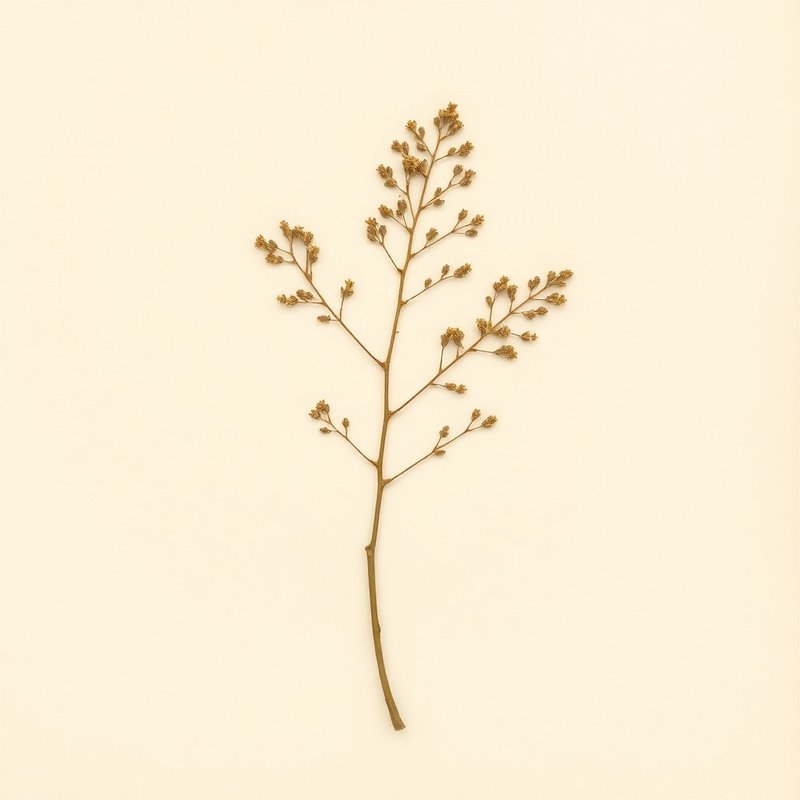
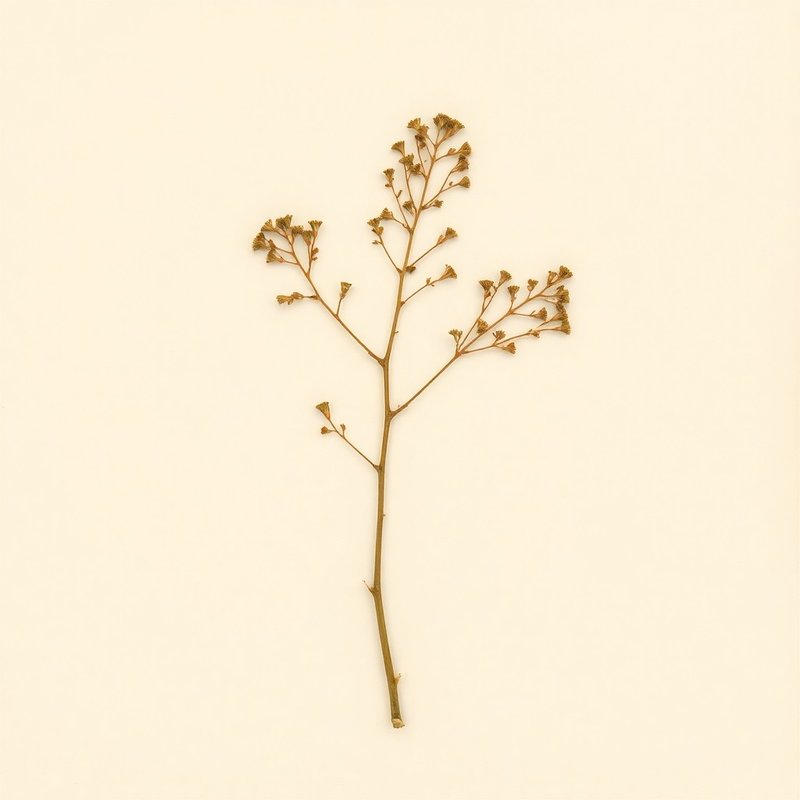
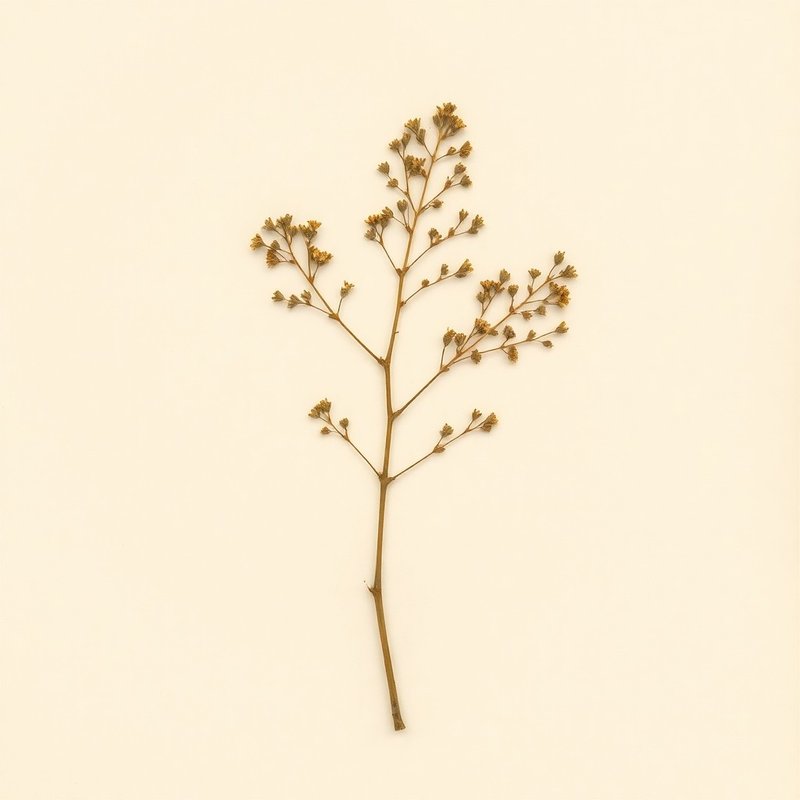
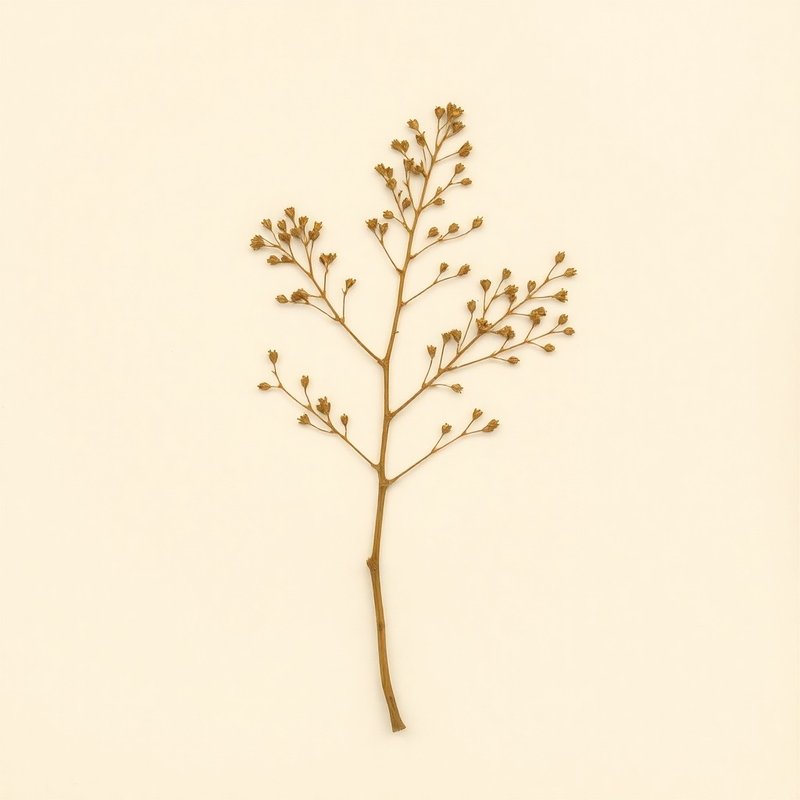
8 relatedPlants you might compare or use together — scored by shared family (Fabaceae), common use cases, and growing requirements.
same family · Fabaceae
Botanical relatives — often share phytochemistry + growing needs.
XI
Explore further
Companion planting
Compare with similar plants
Growing zone
XII
About this entry
- Last updated
- Citation
- How to cite this entry · Submit a correction
Back to the cataloguePlant id · 20d76a74-e47e-4884-ba67-c3df4c5e343c
Decision aid
Choosing between White Acacia White-thorn Apple ring acacia and something else?
Continue reading
❦❦❦❦
Endpaper · archive updates
Get archive updates
Occasional email when substantial new content lands — plant profiles, seasonal growing notes, folk-remedy additions. Free, no tracking, unsubscribe anytime.
Newsletter returning soon.
We are rebuilding the update list around a lightweight editorial workflow. New dispatches will resume after the next content review cycle.