
Enoki-mame
Flemingia macrophylla
Educational content — not medical, botanical, or professional advice. Plant identification, safety, and edibility depend on local conditions, cultivars, and correct identification. Consult a qualified botanist or forager before consuming or handling wild specimens. How we source & review →
Garden journal pausedUse profile notes below
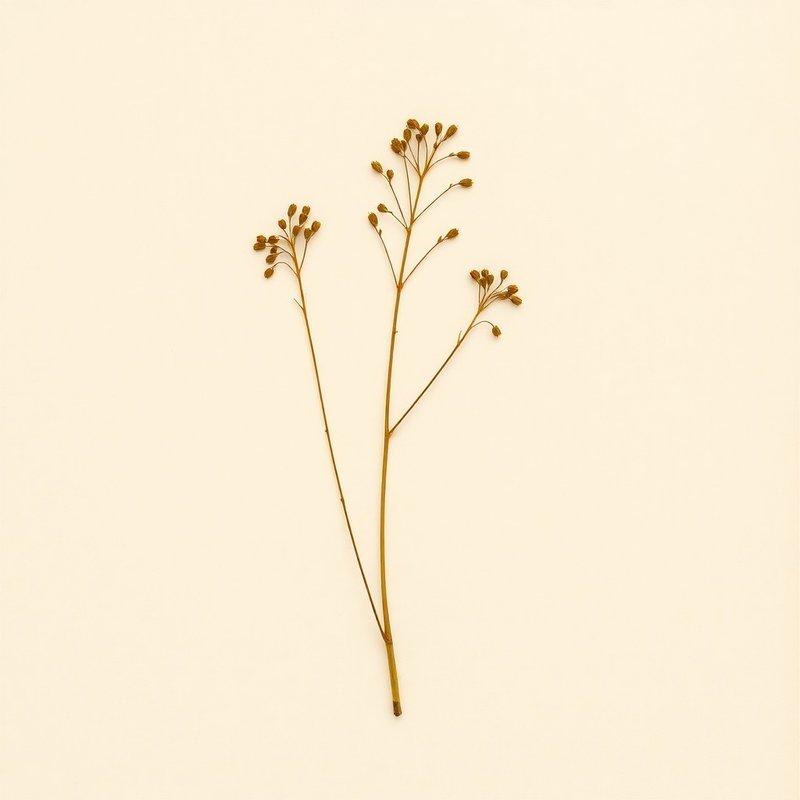
Pl. 0E87 — Flemingia macrophylla
Flemingia macrophyllaFlemingia macrophyllaFlemingia macrophyllaFlemingia macrophyllaFlemingia macrophyllaFlemingia macrophyllaFlemingia macrophyllaFlemingia macrophyllaFlemingia macrophyllaFlemingia macrophyllaFlemingia macrophyllaFlemingia macrophyllaFlemingia macrophyllaFlemingia macrophylla
IOverview
Overview
Enoki-mame, scientifically known as Flemingia macrophylla, is a hardy shrub native to regions including Jawa, Andaman Islands, Assam, Bangladesh, Borneo, Cambodia, and parts of China. This plant thrives in moist, wet conditions with a preference for light or partial shade, making it adaptable to various soil types such as sandy, medium, and clay. Standing up to 3 meters tall, Enoki-mame is known for its edible leaves, seeds, and seedpods, which can be consumed fresh in salads or cooked as a vegetable. The seeds and seedpods may also be prepared by cooking or drying before consumption. Its distinctive feature lies in its ability to grow in diverse environments, contributing to its widespread presence across its native range. Enoki-mame is also valued for its utility in various applications, including cosmetic, dye, fencing, animal feed, fire starter, hedgerow, pest control, mulch, plant support, wind breaker, erosion control, coppice, and nitrogen fixation. While not traditionally used for medicinal purposes, its adaptability and multiple uses make it a valuable plant in both cultivation and natural settings.
Quick answers
What is Enoki-mame?
Enoki-mame, scientifically known as Flemingia macrophylla, is a hardy shrub native to regions including Jawa, Andaman Islands, Assam, Bangladesh, Borneo, Cambodia, and parts of China.
Growingconditions · propagation · uses
VCultivation
Cultivation
Enoki-mame thrives in full to partial sun and prefers moist to wet soil that is light (sandy), medium, or heavy (clay). It grows up to 3 meters tall and is hardy in temperate regions with a range of 10-12. For cultivation, ensure the soil remains consistently moist and provide ample sunlight. Propagate through seeds for best results. Harvest leaves, seeds, and seedpods for edible use.
Light
Full sun, Partial sun/shade
Water
Moist, Wet
Soil
Light (sandy), Medium, Heavy (clay)
Hardiness
10-12
Mature size
3.0 m tall
For first-time growers
How to grow Enoki-mame for the first time
8steps
Start with Enoki-mame as a simple, low-maintenance plant for your garden.
- 1
What you'll need
Seeds or seedlings, a trowel, and a watering can.
- 2
Best time to plant
Plant in spring when the soil is moist but not waterlogged.
- 3
Soil and container prep
Choose a location with partial sun to full sun. Ensure the soil is well-draining, light, medium, or heavy.
- 4
Sowing or transplanting
Direct sow seeds 1-2 cm deep in rows spaced about 30 cm apart. Transplant seedlings when they have several leaves.
- 5
First two weeks
Water regularly to keep the soil moist but not soggy. Monitor for pests and diseases.
- 6
Ongoing care
Provide regular watering, especially during dry spells. Fertilize lightly with compost every few months.
- 7
Harvest or pruning
Prune occasionally to maintain shape and encourage new growth. Harvest leaves as needed for cooking.
- 8
Common mistakes
Overwatering, planting in heavy shade, neglecting regular pruning.
VIEdible & utility
Edible & utility
Edible parts:LeavesSeedSeedpod
Edible uses: The enoki-mame plant is edible and its leaves, seeds, and seedpods can be consumed. Typically, the leaves are eaten fresh in salads or cooked as a vegetable. The seeds and seedpods may also be prepared by cooking or drying before consumption.
Other uses:CosmeticDyeFencingAnimal feedFire starterHedgerowPest controlMulchPlant supportWind breakerErosion controlCoppiceNitrogen fixer
Contextrange · companions · related
VIIDistribution
26 native · 19 introduced
Distribution
26 native · 19 introducedDistribution across3 continents· 26 native· 19 introduced
Asia13 regions
native (13)BangladeshCambodiaChinaIndiaLaosMyanmarNepalPakistanPhilippinesSri LankaTaiwanThailandVietnam
Americas4 regions
introduced (4)Costa RicaDominican RepublicJamaicaUnited States
Africa10 regions
introduced (10)BeninCameroonComorosCôte d'IvoireGhanaMadagascarMauritiusTanzaniaTogoZimbabwe
Broader regions
native:Andaman Is., Borneo, East Himalaya, Hainan, Jawa, Lesser Sunda Is., Malaya, New Guinea, Sulawesi, Sumatera, West Himalaya
introduced:Caroline Is., Cook Is., Queensland, Réunion, Zaïre
IXSpecimen gallery
1 image
Specimen gallery
1 imageXI
Explore further
Companion planting
Growing zone
Native to
XII
About this entry
- Last updated
- Citation
- How to cite this entry · Submit a correction
Back to the cataloguePlant id · 0e874663-1083-494b-8ab0-7571448b1f58
Decision aid
Choosing between Enoki-mame and something else?
Continue reading
❦❦❦❦
Endpaper · archive updates
Get archive updates
Occasional email when substantial new content lands — plant profiles, seasonal growing notes, folk-remedy additions. Free, no tracking, unsubscribe anytime.
Newsletter returning soon.
We are rebuilding the update list around a lightweight editorial workflow. New dispatches will resume after the next content review cycle.