
Oval Kumquat
IOverview
Overview
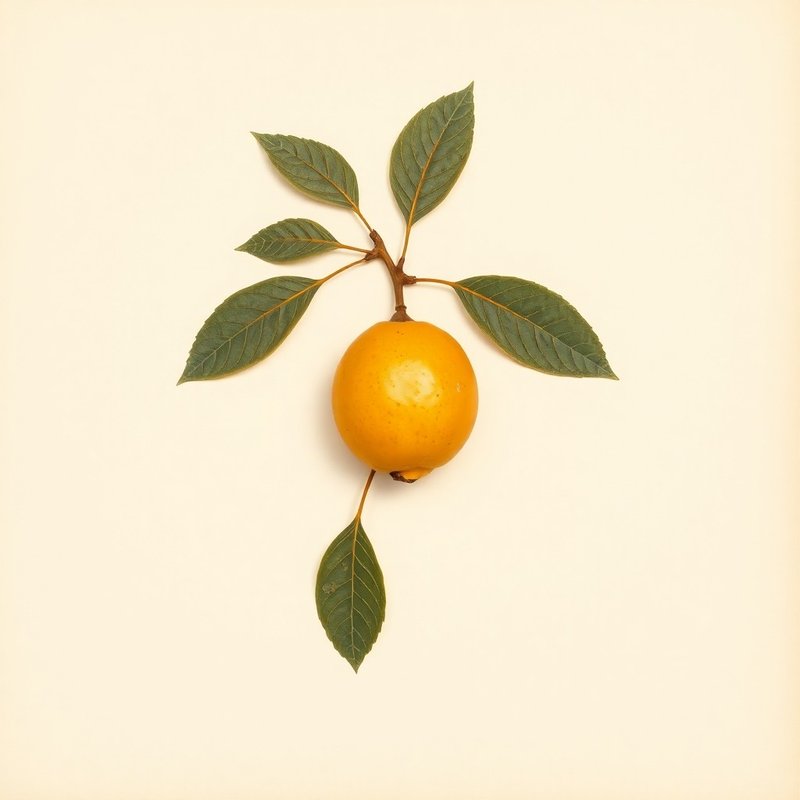
The Oval Kumquat (Fortunella margarita) is a small evergreen tree native to the southeastern regions of China and Hainan Island. This citrus relative belongs to the Rutaceae family and is known for its ornamental and culinary value. The Oval Kumquat thrives in full sun with moist soil that can range from light sandy to heavy clay, making it adaptable to various growing conditions. It is hardy in zones 7-10 and grows up to 3 meters tall, making it a manageable size for gardens and landscapes. The plant is particularly noted for its edible fruit, which are oval-shaped and highly aromatic. These fruits are prized for their sweet-tart flavor and are often used in jams, marmalades, and garnishes. The fruit's pectin content also makes it useful for thickening and preserving. The Oval Kumquat has been introduced to several regions, including Assam, California, Cuba, the Dominican Republic, Gambia, Haiti, Japan, Korea, Puerto Rico, Trinidad and Tobago, and Vietnam, where it has become a popular ornamental and culinary addition. While the plant is not medicinal, its fruit and leaves can be used in various culinary applications. It is important to handle the plant with care, as it can cause skin irritation in some individuals.
What is Oval Kumquat?
The Oval Kumquat (Fortunella margarita) is a small evergreen tree native to the southeastern regions of China and Hainan Island. This citrus relative belongs to the Rutaceae family and is known for its ornamental and culinary value.
VCultivation
Cultivation
How to grow Oval Kumquat for the first time
Start with a small, healthy Oval Kumquat tree in a container for easy care and monitoring.
- 1
What you'll need
A young Oval Kumquat sapling, well-draining potting mix, containers or garden beds.
- 2
Best time to plant
Plant in spring when the last frost has passed and temperatures are mild.
- 3
Soil and container prep
Use a light, well-draining soil mix. Ensure pots have drainage holes if planting in containers.
- 4
Sowing or transplanting
Transplant young saplings directly into the prepared soil or potting mix.
- 5
First two weeks
Water regularly to keep the soil moist but not waterlogged. Place in a sunny spot, avoiding direct afternoon sun.
- 6
Ongoing care
Provide full sun exposure and regular watering. Fertilize with a balanced fertilizer during growing seasons.
- 7
Harvest or pruning
Prune to maintain shape and remove dead branches. Harvest fruit when they turn bright orange in late fall or early winter.
- 8
Common mistakes
Overwatering, planting in heavy soil, not providing enough sunlight, neglecting regular pruning.
VIEdible & utility
Edible & utility
VIIDistribution
2 native · 11 introduced
Distribution
2 native · 11 introducedIXSpecimen gallery
1 image
Specimen gallery
1 imageXSee also
8 related
See also
8 relatedPlants you might compare or use together — scored by shared family (Rutaceae), common use cases, and growing requirements.

Explore further
About this entry
- Last updated
- Citation
- How to cite this entry · Submit a correction
Continue reading
Get archive updates
Occasional email when substantial new content lands — plant profiles, seasonal growing notes, folk-remedy additions. Free, no tracking, unsubscribe anytime.