
Japanese Avens
IOverview
Overview
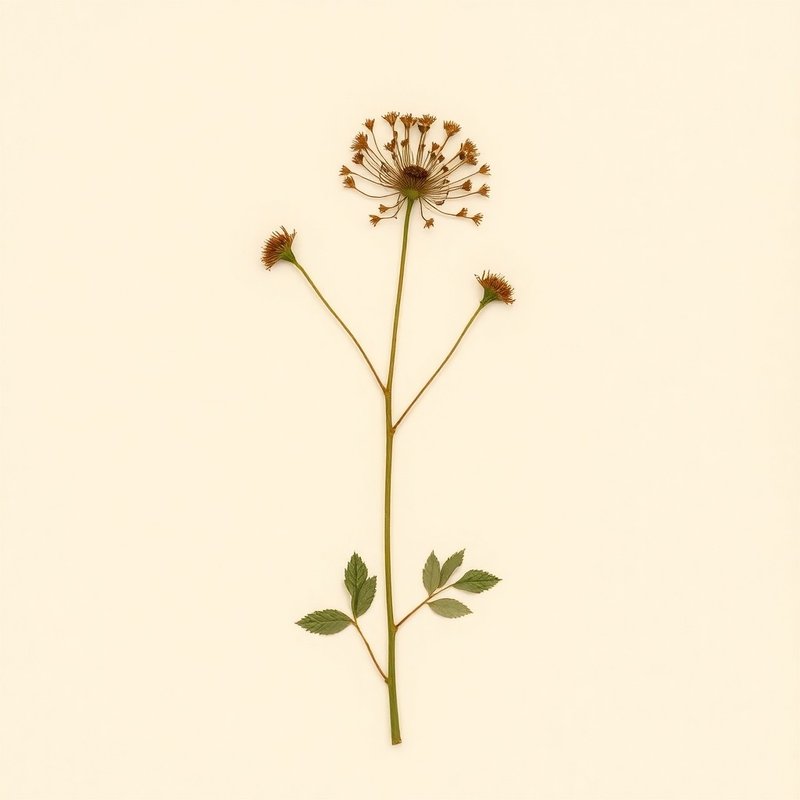
Geum japonicum, commonly known as Japanese Avens, is a herbaceous perennial in the rose family, Rosaceae. It is native to East Asia, with a range spanning north-central, south-central, and southeastern China, Japan, Korea, the Kuril Islands, and Xinjiang, and across this broad distribution it typically grows in moist habitats. That preference for consistently damp ground carries over into cultivation, where the plant does best when its soil is kept from drying out. The leaves are the notable edible part. They can be eaten raw or cooked, often added to salads for their slightly bitter flavor or steamed and served as a vegetable. Beyond this culinary role, Japanese Avens is also grown ornamentally, where its compact habit, reaching roughly 0.6 meters in height, suits borders and informal plantings. The species adapts to a range of soils, from light sandy ground to medium loams and heavier clay, provided moisture is maintained. It is not notably drought tolerant, so steady moisture matters more than soil richness. It grows in full sun to partial shade and is hardy in zones 6 to 9. A perennial that returns year after year, it is readily propagated by division of the roots. Because both its edible leaves and its modest size serve the kitchen and the garden, it is often treated as a dual-purpose plant, useful in a moist border and harvestable for the table.
What is Japanese Avens?
Geum japonicum, commonly known as Japanese Avens, is a herbaceous perennial in the rose family, Rosaceae.
VCultivation
Cultivation
How to grow Japanese Avens for the first time
Start with Japanese Avens as a simple, low-maintenance perennial for your garden.
- 1
What you'll need
Japanese Avens plants or seeds, gardening gloves, trowel, watering can.
- 2
Best time to plant
Plant in spring after the last frost or fall before the first freeze.
- 3
Soil and container prep
Choose a spot with light to partial sun. Ensure soil is well-draining, rich, and slightly acidic.
- 4
Sowing or transplanting
Transplant young plants in spring or sow seeds directly where they will grow in early spring.
- 5
First two weeks
Water regularly to keep the soil moist. Avoid overwatering which can lead to root rot.
- 6
Ongoing care
Provide consistent moisture, especially during dry spells. Fertilize once a year in early spring with compost.
- 7
Harvest or pruning
Prune dead leaves and spent flowers to encourage new growth and maintain the plant's shape.
- 8
Common mistakes
Overwatering, planting in heavy clay soil, neglecting to prune, not providing enough sunlight.
VIEdible & utility
Edible & utility
VIIDistribution
7 native · 0 introduced
Distribution
7 native · 0 introducedIXSpecimen gallery
1 image
Specimen gallery
1 imageXSee also
8 related
See also
8 relatedPlants you might compare or use together — scored by shared family (Rosaceae), common use cases, and growing requirements.

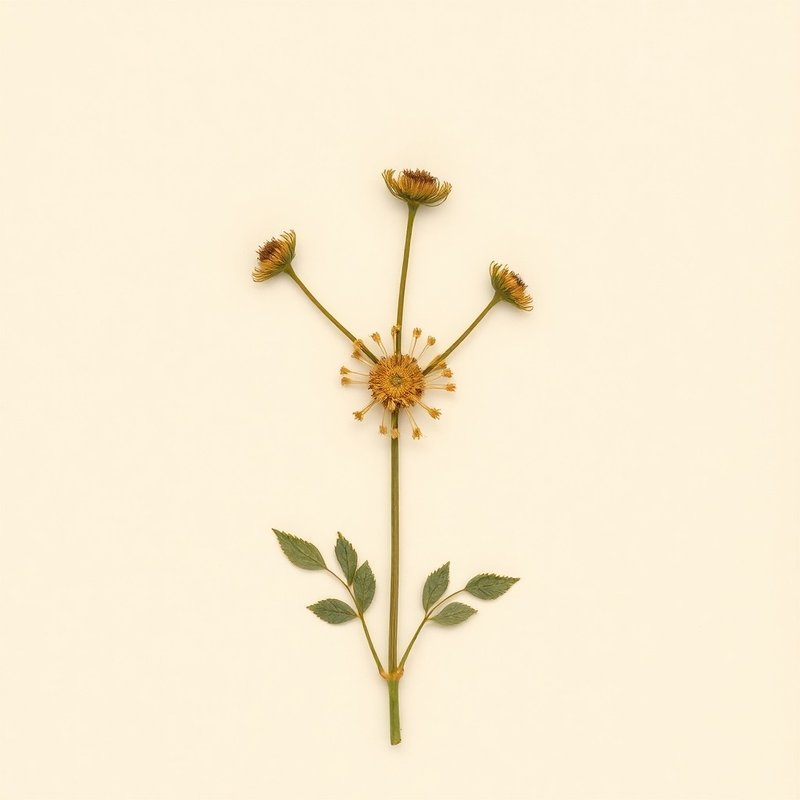
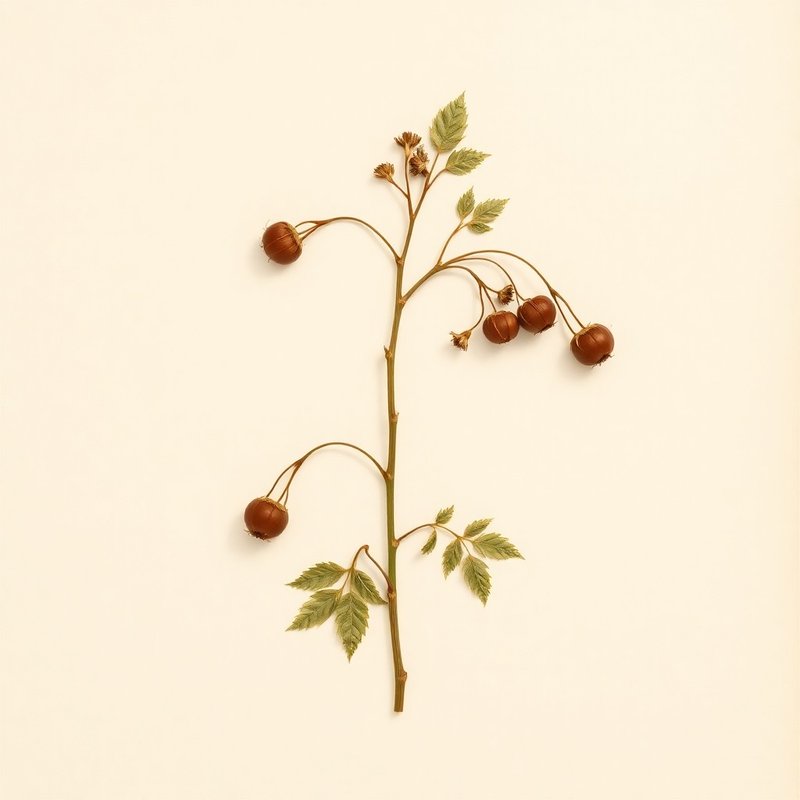

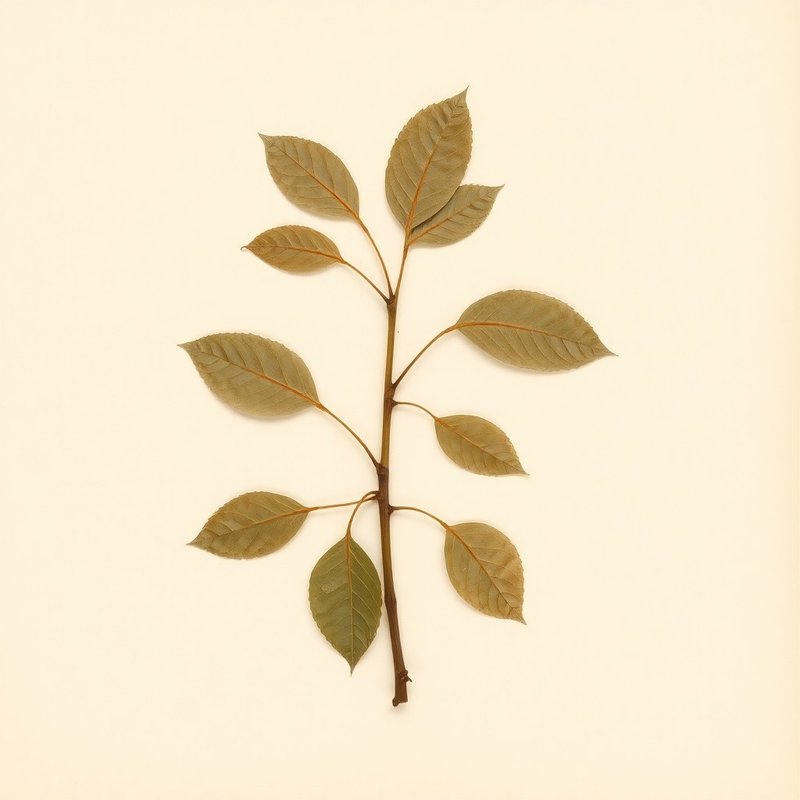
Explore further
About this entry
- Last updated
- Citation
- How to cite this entry · Submit a correction
Continue reading
Get archive updates
Occasional email when substantial new content lands — plant profiles, seasonal growing notes, folk-remedy additions. Free, no tracking, unsubscribe anytime.