
Awi Tela
Gigantochloa hasskarlianafam. Poaceae
Educational content — not medical, botanical, or professional advice. Plant identification, safety, and edibility depend on local conditions, cultivars, and correct identification. Consult a qualified botanist or forager before consuming or handling wild specimens. How we source & review →
Garden journal pausedUse profile notes below
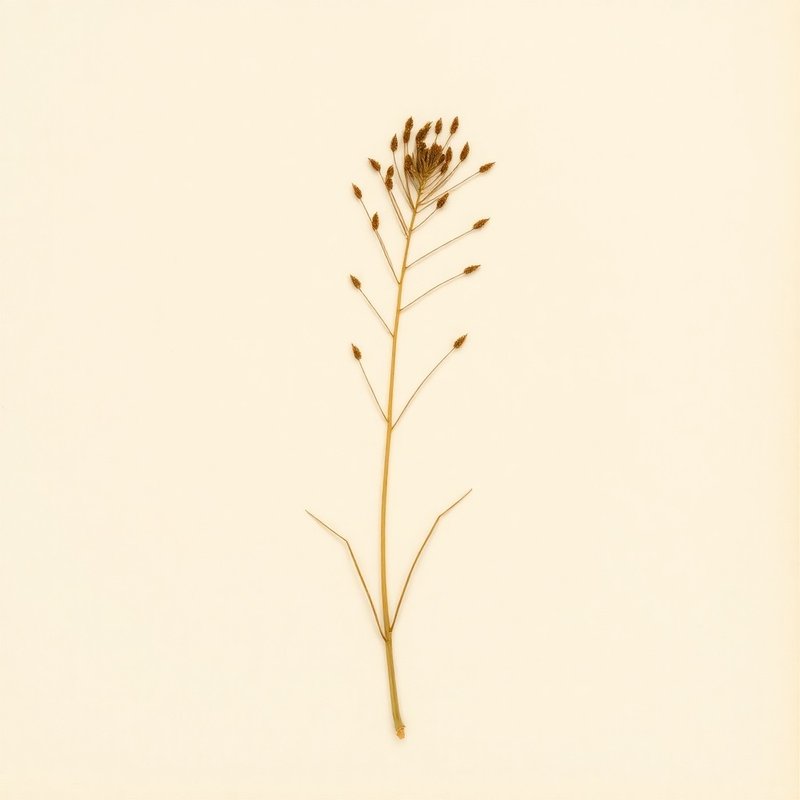
Pl. 028D — Gigantochloa hasskarliana
Gigantochloa hasskarlianaGigantochloa hasskarlianaGigantochloa hasskarlianaGigantochloa hasskarlianaGigantochloa hasskarlianaGigantochloa hasskarlianaGigantochloa hasskarlianaGigantochloa hasskarlianaGigantochloa hasskarlianaGigantochloa hasskarlianaGigantochloa hasskarlianaGigantochloa hasskarlianaGigantochloa hasskarlianaGigantochloa hasskarliana
IOverview
Overview
Awi Tela, scientifically known as *Gigantochloa hasskarliana* and belonging to the Poaceae family, is a tall grass native to Southeast Asia, including Borneo, Jawa, Laos, Lesser Sunda Islands, Malaya, Myanmar, Sumatera, and Thailand. This plant thrives in moist conditions with partial sun or shade and can grow up to 10 meters in height. Awi Tela is notable for its edible parts, specifically the shoots and stems, which are used in various local dishes. It adapts well to various soil types, including light (sandy), medium, and heavy (clay) soils, while maintaining a hardiness range of 10-12. In addition to its culinary uses, Awi Tela is valued for its utility as a weaving material, biomass source, hedgerow plant, erosion control measure, and potential lumber. Its fast growth rate and ability to thrive in diverse environments make it an important resource in the regions where it is native. However, caution should be exercised when handling any part of this plant, given its potential for causing skin irritation or allergic reactions. Awi Tela thrives in full to partial sun and requires moist soil that can be light (sandy), medium, or heavy (clay). It grows up to 10 meters tall and is hardy in zones 10-12. Propagation can occur through stem or shoot cuttings, ensuring the plant gets adequate water and prefers a well-draining environment for best growth.
Quick answers
What is Awi Tela?
Awi Tela, scientifically known as *Gigantochloa hasskarliana* and belonging to the Poaceae family, is a tall grass native to Southeast Asia, including Borneo, Jawa, Laos, Lesser Sunda Islands, Malaya, Myanmar, Sumatera, and Thailand.
Compare with:Astelia alpina→Bengal Bamboo Spineless Indian bamboo→Berry Bamboo Mali bamboo→all comparisons →
Growingconditions · propagation · uses
VCultivation
Cultivation
Awi Tela thrives in full to partial sun and requires moist soil that can be light (sandy), medium, or heavy (clay). It is hardy in temperate regions with a range of 10-12 on the USDA Hardiness Zone scale. The plant grows up to 10 meters tall and is native to Borneo, Jawa, Laos, Lesser Sunda Islands, Malaya, Myanmar, Sumatera, and Thailand. For cultivation, ensure the soil remains consistently moist and provide ample sunlight for optimal growth. Harvest edible parts such as shoots and stems.
Light
Full sun, Partial sun/shade
Water
Moist
Soil
Light (sandy), Medium, Heavy (clay)
Hardiness
10-12
Mature size
10.0 m tall
For first-time growers
How to grow Awi Tela for the first time
8steps
Start with planting Awi Tela in a sunny spot and follow these simple steps for success.
- 1
What you'll need
Awi Tela plant or seeds, potting mix suitable for grasses, container with drainage holes.
- 2
Best time to plant
Plant Awi Tela in spring when the weather is warm and stable.
- 3
Soil and container prep
Use a well-draining soil mix. Ensure your container has adequate drainage holes.
- 4
Sowing or transplanting
Transplant young plants from nursery pots into larger containers or directly into the garden bed.
- 5
First two weeks
Water regularly to keep the soil moist but not waterlogged. Place in a sunny spot.
- 6
Ongoing care
Provide full sun and regular watering, especially during dry spells. Fertilize lightly once a year.
- 7
Harvest or pruning
Prune dead leaves to maintain the plant's health and appearance. Harvest young shoots for culinary use if desired.
- 8
Common mistakes
Overwatering, planting in heavy soil, not providing enough sunlight, neglecting regular pruning.
VIEdible & utility
Edible & utility
Edible parts:ShootsStem
Edible uses: The shoots and stems of Awi Tela are edible. They can be prepared in various ways—raw or cooked—and used in local dishes. Skip the detailed preparation methods as per the given data.
Other uses:Weaving materialBiomassHedgerowErosion controlLumber
Contextrange · companions · related
VIIDistribution
8 native · 0 introduced
Distribution
8 native · 0 introducedDistribution across1 continent· 8 native
Asia3 regions
native (3)LaosMyanmarThailand
Broader regions
native:Borneo, Jawa, Lesser Sunda Is., Malaya, Sumatera
VIIIGarden companions
1 pair
Garden companions
1 pairPlant near these
These plants help — by repelling pests, fixing nitrogen, attracting pollinators, or sharing space well.
IXSpecimen gallery
1 image
Specimen gallery
1 imageXSee also
8 related
See also
8 relatedPlants you might compare or use together — scored by shared family (Poaceae), common use cases, and growing requirements.
same family · Poaceae
Botanical relatives — often share phytochemistry + growing needs.
XI
Explore further
Companion planting
Compare with similar plants
Growing zone
XII
About this entry
- Last updated
- Citation
- How to cite this entry · Submit a correction
Back to the cataloguePlant id · 028dce07-001a-49ba-908d-17bb40c381d7
Decision aid
Choosing between Awi Tela and something else?
Continue reading
❦❦❦❦
Endpaper · archive updates
Get archive updates
Occasional email when substantial new content lands — plant profiles, seasonal growing notes, folk-remedy additions. Free, no tracking, unsubscribe anytime.
Newsletter returning soon.
We are rebuilding the update list around a lightweight editorial workflow. New dispatches will resume after the next content review cycle.