
Berry Bamboo Mali bamboo
IOverview
Overview
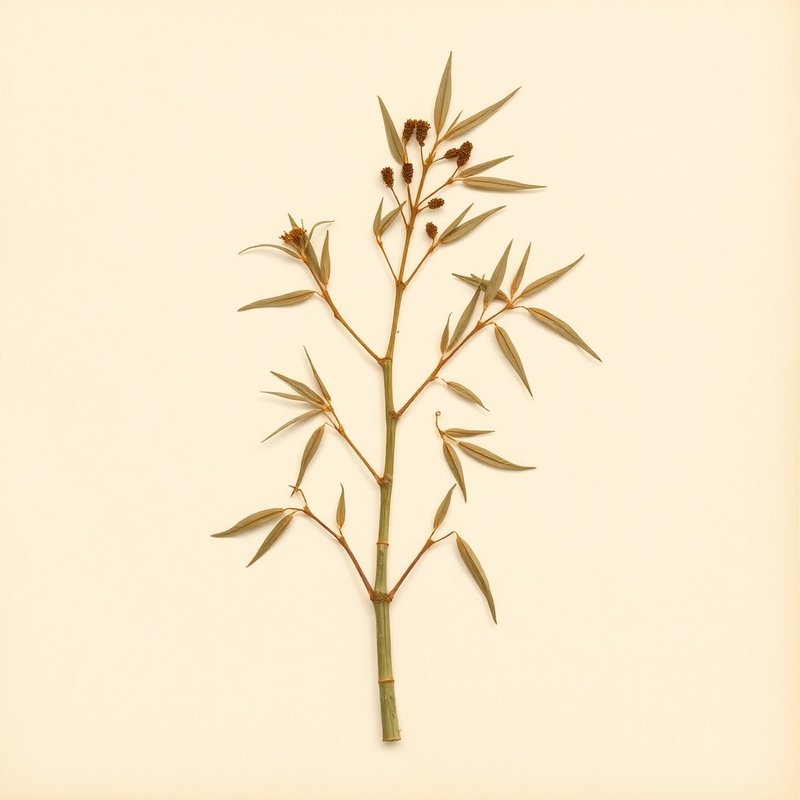
Berry Bamboo Mali bamboo, scientifically known as Melocanna baccifera, is a fast-growing member of the Poaceae family, specifically part of the Bambusoideae subfamily. Native to regions such as Assam, Bangladesh, East Himalaya, Myanmar, and Nepal, this bamboo thrives in moist, well-drained soils that are medium to heavy (clay) in texture. It requires full sun or partial shade for optimal growth and can tolerate a hardiness zone of 10-12. The plant reaches heights of up to 15 meters and is notable not only for its ornamental value but also for its edible parts, which include the fruit, leaves, and shoots. This versatile bamboo has been cultivated for centuries due to its multiple uses in both culinary and landscaping applications. Its edible components make it a valuable addition to gardens or landscapes where food sources are desired. Additionally, the plant's fibers can be used for weaving materials, biomass, and textiles, enhancing its practicality in various contexts. Introduced into regions such as Brazil Southeast, Colombia, Ecuador, and Jamaica, Berry Bamboo Mali bamboo continues to expand its cultural significance beyond its native range. While the plant is not medicinal, it serves a variety of purposes including ornamental display, culinary use, and practical applications like weaving and textiles. Users should exercise caution when handling or consuming parts of the plant, as some species within the Poaceae family can have potential allergens or irritants.
What is Berry Bamboo Mali bamboo?
Berry Bamboo Mali bamboo, scientifically known as Melocanna baccifera, is a fast-growing member of the Poaceae family, specifically part of the Bambusoideae subfamily.
VCultivation
Cultivation
How to grow Berry Bamboo Mali bamboo for the first time
Start with planting Berry Bamboo Mali bamboo in a sunny spot and follow these steps for success.
- 1
What you'll need
A healthy Berry Bamboo Mali plant or rhizome, a trowel, mulch, and water.
- 2
Best time to plant
Plant in spring when the soil is moist but not waterlogged.
- 3
Soil and container prep
Choose a location with medium to heavy clay soil that stays moist. Ensure good drainage if planting in containers.
- 4
Sowing or transplanting
Transplant rhizomes 20-30 cm deep, spacing them about 1 meter apart for easy growth.
- 5
First two weeks
Water regularly to keep the soil moist. Avoid overwatering which can lead to root rot.
- 6
Ongoing care
Provide full sun or partial shade and water when the top inch of soil feels dry. Prune dead leaves and shoots as needed.
- 7
Harvest or pruning
Prune in late winter before new growth starts to maintain shape and remove any damaged parts.
- 8
Common mistakes
Overwatering, planting too deep, not providing enough sunlight, neglecting to prune dead material.
VIEdible & utility
Edible & utility
VIIDistribution
5 native · 4 introduced
Distribution
5 native · 4 introducedIXSpecimen gallery
1 image
Specimen gallery
1 imageXSee also
8 related
See also
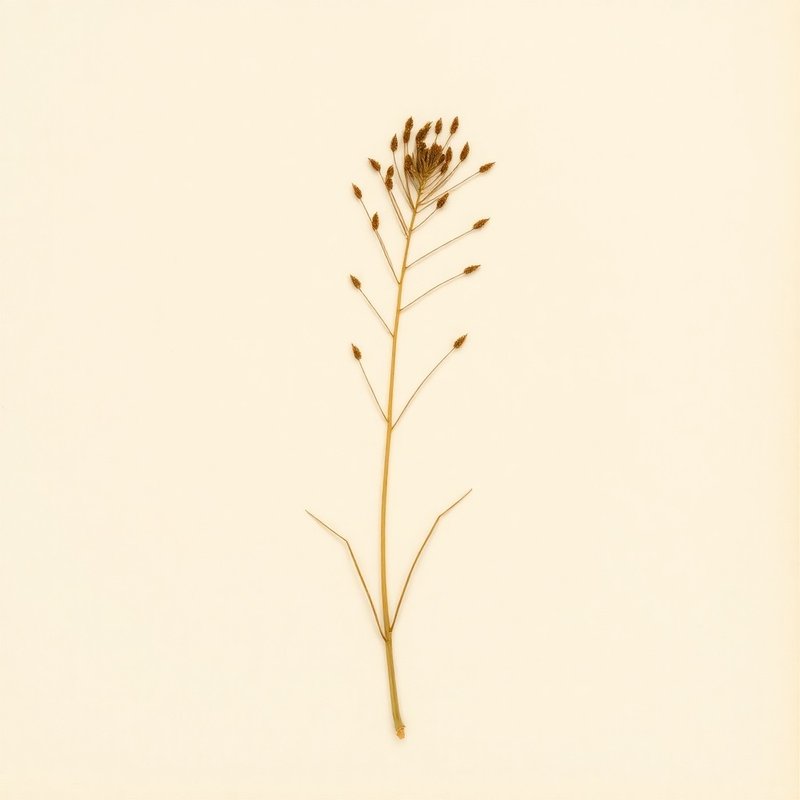
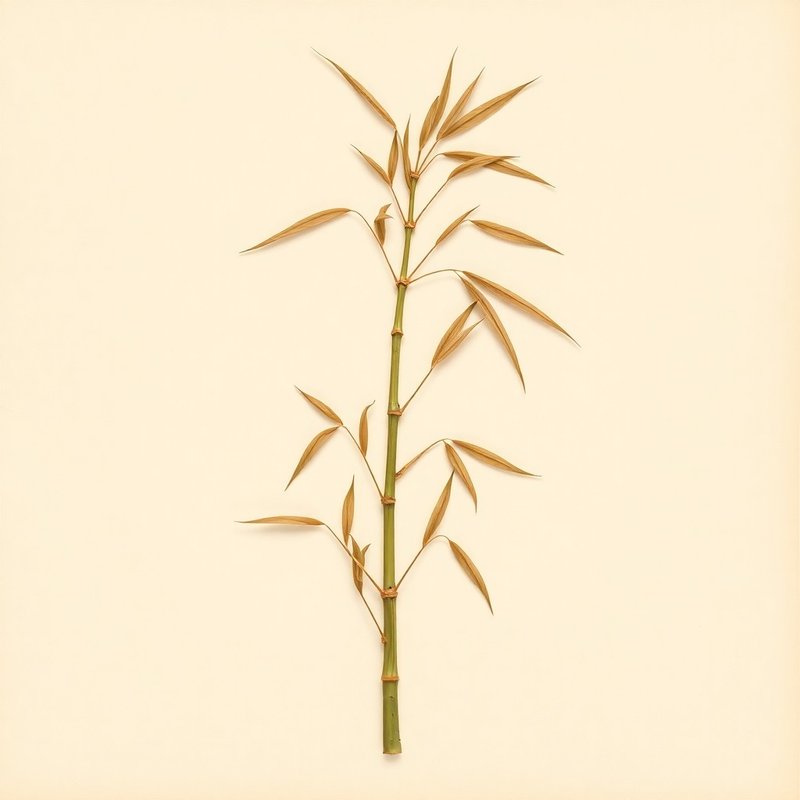
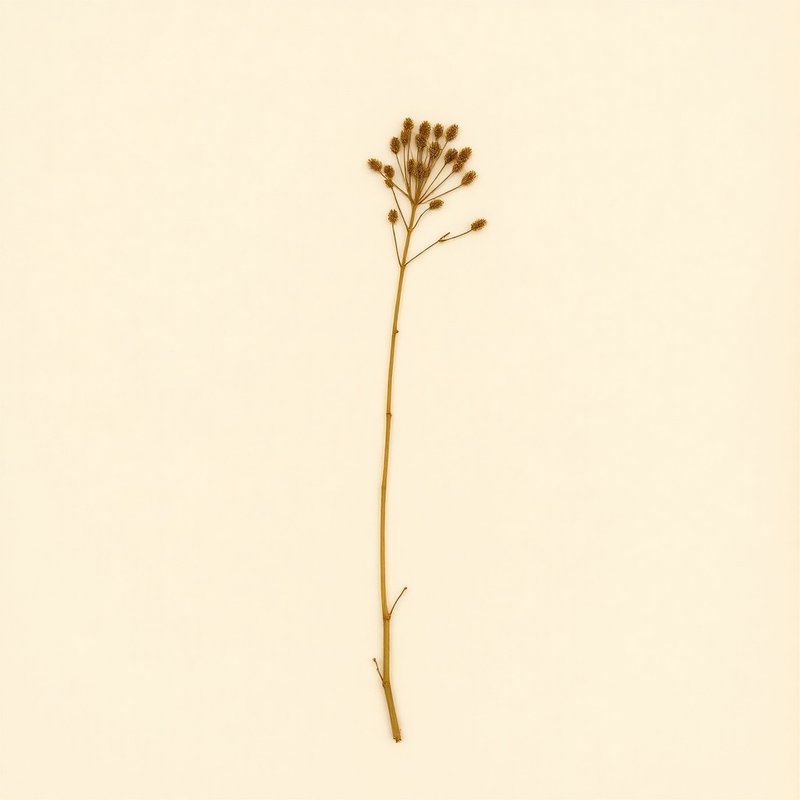
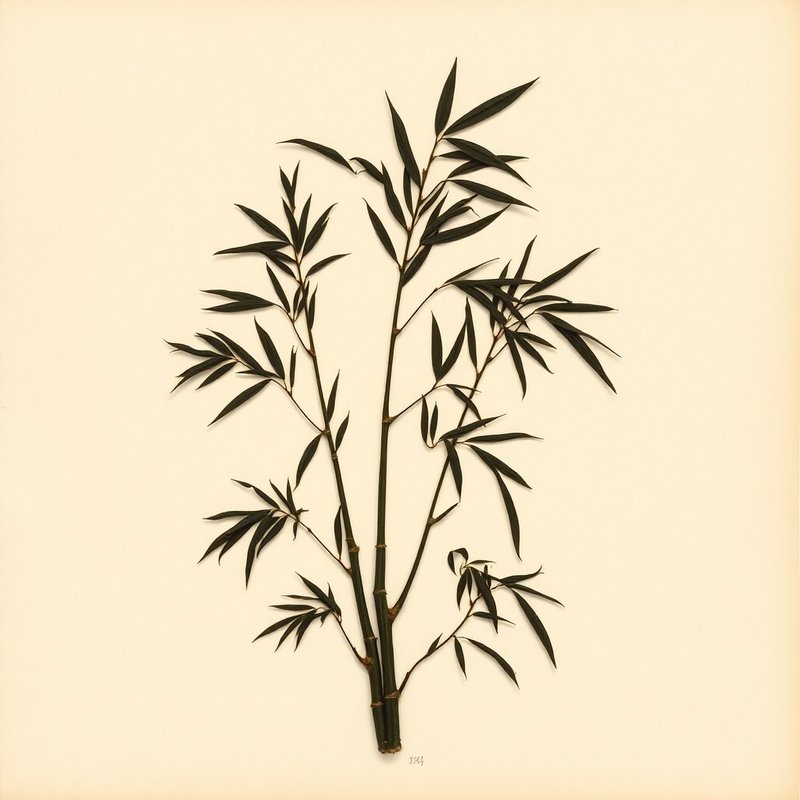
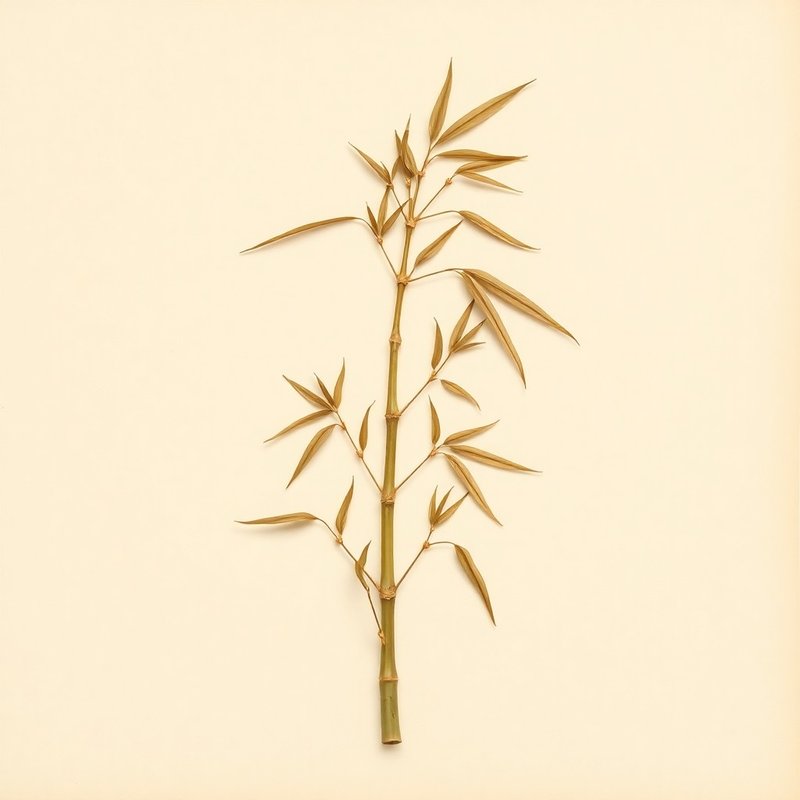
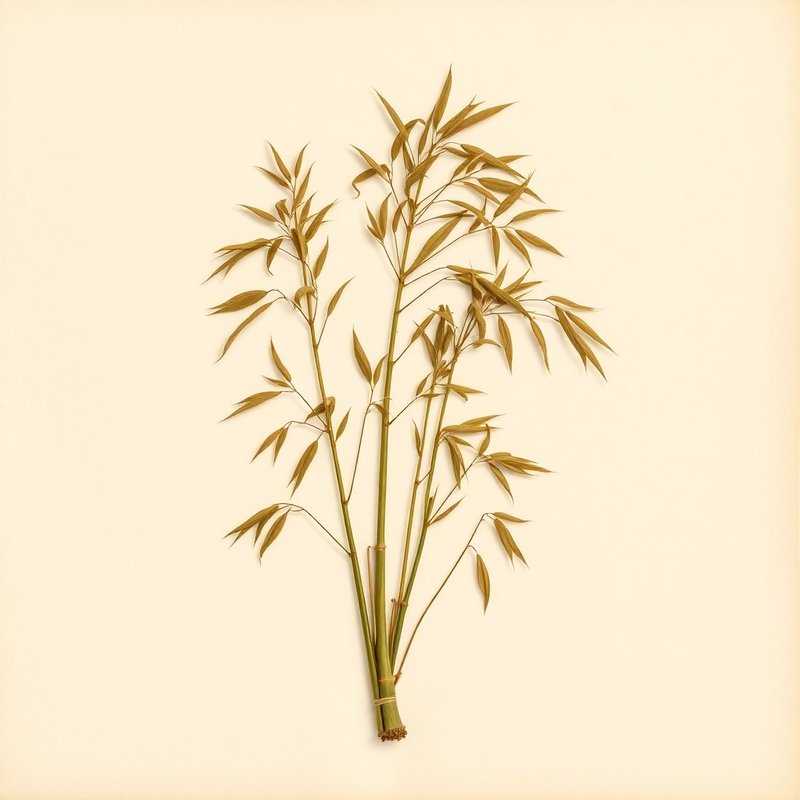
8 relatedPlants you might compare or use together — scored by shared family (Poaceae), common use cases, and growing requirements.
Explore further
About this entry
- Last updated
- Citation
- How to cite this entry · Submit a correction
Continue reading
Get archive updates
Occasional email when substantial new content lands — plant profiles, seasonal growing notes, folk-remedy additions. Free, no tracking, unsubscribe anytime.