
Yellowray Goldfields
IOverview
Overview
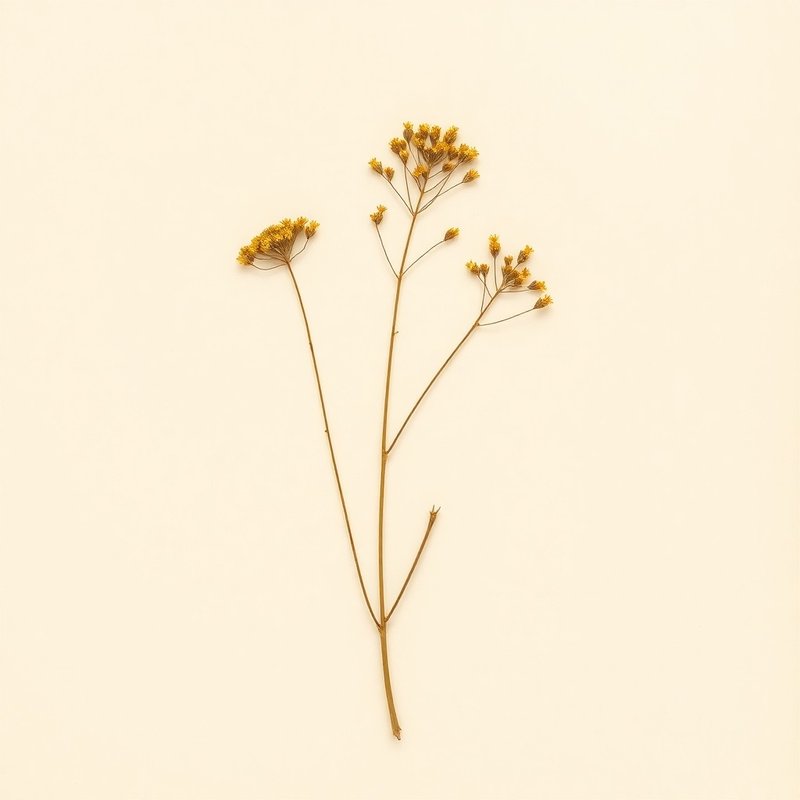
Yellowray Goldfields (Lasthenia glabrata) is an annual forb or herb native to California and the Northwest region of Mexico. Thriving in moist environments, this plant prefers light, full sun exposure and can adapt to various soil types, including light (sandy), medium, and heavy (clay). Growing up to 0.3 meters tall, Yellowray Goldfields is a vibrant addition to gardens and natural landscapes, appreciated for its ornamental value. The plant's edible seeds can be harvested and consumed raw or cooked, making them suitable for drying and preserving for later use. While primarily known for its ornamental and edible qualities, Yellowray Goldfields also demonstrates adaptability to diverse growing conditions, making it a versatile addition to both cultivated and wild settings.
What is Yellowray Goldfields?
Yellowray Goldfields (Lasthenia glabrata) is an annual forb or herb native to California and the Northwest region of Mexico. Thriving in moist environments, this plant prefers light, full sun exposure and can adapt to various soil types, including light (sandy), medium, and heavy (clay).
VCultivation
Cultivation
How to grow Yellowray Goldfields for the first time
Start with Yellowray Goldfields as an easy-to-grow annual for a beginner gardener.
- 1
What you'll need
Seeds, small pots or trays, potting soil.
- 2
Best time to plant
Plant in spring after the last frost, when temperatures are mild.
- 3
Soil and container prep
Use a well-draining potting mix. Ensure containers have drainage holes.
- 4
Sowing or transplanting
Start seeds indoors 4-6 weeks before planting outside. Transplant seedlings when they have two sets of true leaves.
- 5
First two weeks
Keep soil moist and place in a sunny spot, but avoid direct sunlight for the first few days to prevent burning.
- 6
Ongoing care
Water regularly to keep soil consistently moist. Fertilize sparingly with a balanced liquid fertilizer every 4-6 weeks.
- 7
Harvest or pruning
Prune spent flowers to encourage more blooms and maintain plant shape.
- 8
Common mistakes
Overwatering, planting in full sun without acclimation, neglecting regular watering once established.
VIEdible & utility
Edible & utility
VIIDistribution
2 native · 0 introduced
Distribution
2 native · 0 introducedIXSpecimen gallery
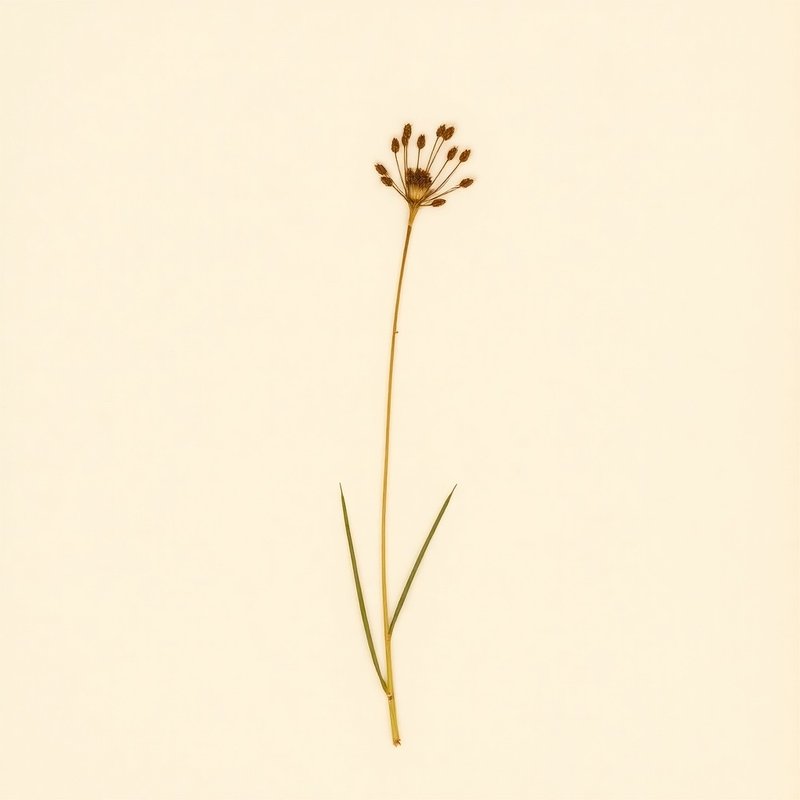
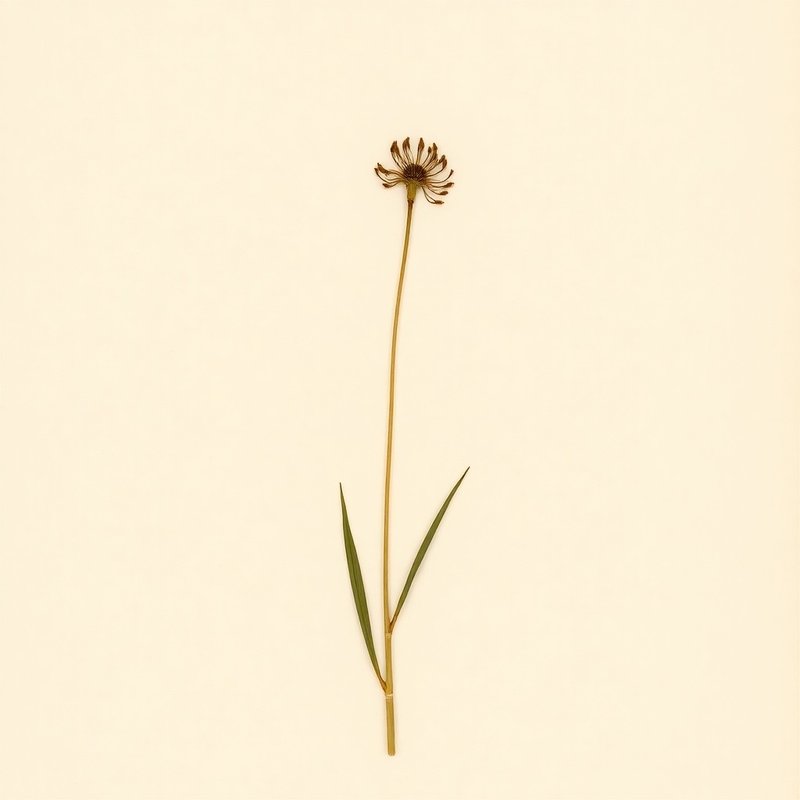
1 image
Specimen gallery
1 imageXSee also
8 related
See also
8 relatedPlants you might compare or use together — scored by shared family (Asteraceae), common use cases, and growing requirements.



Explore further
About this entry
- Last updated
- Citation
- How to cite this entry · Submit a correction
Continue reading
Get archive updates
Occasional email when substantial new content lands — plant profiles, seasonal growing notes, folk-remedy additions. Free, no tracking, unsubscribe anytime.