
Beach Hibiscus
Hibiscus tilliaceus
Educational content — not medical, botanical, or professional advice. Always consult a qualified clinician before using any herbal preparation — especially during pregnancy, breastfeeding, while on medication, or for children. How we source & review →

Pl. B882 — Hibiscus tilliaceus
Hibiscus tilliaceusHibiscus tilliaceusHibiscus tilliaceusHibiscus tilliaceusHibiscus tilliaceusHibiscus tilliaceusHibiscus tilliaceusHibiscus tilliaceusHibiscus tilliaceusHibiscus tilliaceusHibiscus tilliaceusHibiscus tilliaceusHibiscus tilliaceusHibiscus tilliaceus
IOverview
Overview
Beach Hibiscus (Hibiscus tilliaceus) is a shrub or small tree native to tropical and subtropical regions of Africa, Asia, Australia, and the Pacific Islands. Known for its ornamental value, this plant can also be eaten, with both flowers and leaves being edible. Beach Hibiscus thrives in full sun and tolerates various soil types, from light sandy soils to medium-textured ones. It can grow up to 8 meters tall and is hardy in zones 10-12. One distinctive feature of this plant is its large, showy flowers that add a splash of color to coastal landscapes. Another notable characteristic is its ability to adapt to dry, moist, or wet conditions, making it a versatile choice for gardeners in diverse environments.
Quick answers
What is Beach Hibiscus?
Beach Hibiscus (Hibiscus tilliaceus) is a shrub or small tree native to tropical and subtropical regions of Africa, Asia, Australia, and the Pacific Islands. Known for its ornamental value, this plant can also be eaten, with both flowers and leaves being edible.
What is Beach Hibiscus used for?
Traditionally used for digestion. Each claim is evidence-rated — see Section II for full citations.
Best for
Top 1 evidence-ranked use of Beach Hibiscus
Clinicaluses · safety · chemistry · dosagemedicinal profile
IIBenefits & evidence
1 claim · 0 sources
Benefits & evidence
1 claim · 0 sources- Traditional-use note: Beach Hibiscus appears in herbal sources around after-meal comfort traditions, often as a decoction. PlantSage presents this as ethnobotanical context, not as medical advice.
Traditional context only. This reviewed claim keeps the original low confidence level, but avoids treatment, disease, dosage, or guaranteed-effect language.
IV·bMixology suggestions
1 draft
Mixology suggestions
1 draftEditorial drafts. These pairings are AI-suggested from traditional herbal lore. Always verify with a qualified herbalist before brewing.
Beach Hibiscus support blend
generaltea
AI returned a direct ingredient list; normalized into one draft blend for editorial review.
Growingconditions · propagation · uses
VCultivation
Cultivation
Beach Hibiscus thrives in full sun and prefers well-draining soil that can be dry to wet. It is adaptable to light (sandy) to medium soil types but requires plenty of sunlight for optimal growth. This plant grows up to 8 meters tall and is hardy in zones 10-12, making it suitable for subtropical climates. For propagation, cuttings or seeds can be used effectively. Regular watering is necessary during dry periods, but the plant can tolerate some drought once established. Harvest edible parts such as flowers and leaves throughout the growing season.
Light
Full sun
Water
Dry, Moist, Wet
Soil
Light (sandy), Medium
Hardiness
10-12
Mature size
8.0 m tall
For first-time growers
How to grow Beach Hibiscus for the first time
8steps
Start with a simple, sunny spot and basic care for your Beach Hibiscus.
- 1
What you'll need
A Beach Hibiscus plant or seeds, a container if planting in a pot, and some gardening tools like a trowel.
- 2
Best time to plant
Plant in spring when the weather is warming up and there's no risk of frost.
- 3
Soil and container prep
Use well-draining soil. For pots, choose one with drainage holes. In ground, ensure the area has good drainage.
- 4
Sowing or transplanting
Direct sow seeds in the ground after the last frost or start seeds indoors 6-8 weeks before planting outside. Transplant young plants carefully.
- 5
First two weeks
Water regularly to keep soil moist but not waterlogged. Place a mulch layer around the base for moisture retention.
- 6
Ongoing care
Water when the top inch of soil feels dry, especially in dry or windy conditions. Prune lightly to shape and remove dead branches as needed.
- 7
Harvest or pruning
Prune regularly to maintain shape and encourage new growth. Harvest flowers for decorative purposes or leaves for culinary use.
- 8
Common mistakes
Overwatering, planting in poorly drained soil, not providing enough sunlight, neglecting regular pruning.
VIEdible & utility
Edible & utility
Edible parts:FlowersLeaves
Edible uses: The Beach Hibiscus is edible, with both its flowers and leaves being consumed. The flowers can be eaten raw or used in salads, while the leaves are typically cooked before consumption. They can also be dried for later use. Skip the preparation details to maintain brevity.
Contextrange · companions · related
IXSpecimen gallery
1 image
Specimen gallery
1 imageXSee also
8 related
See also
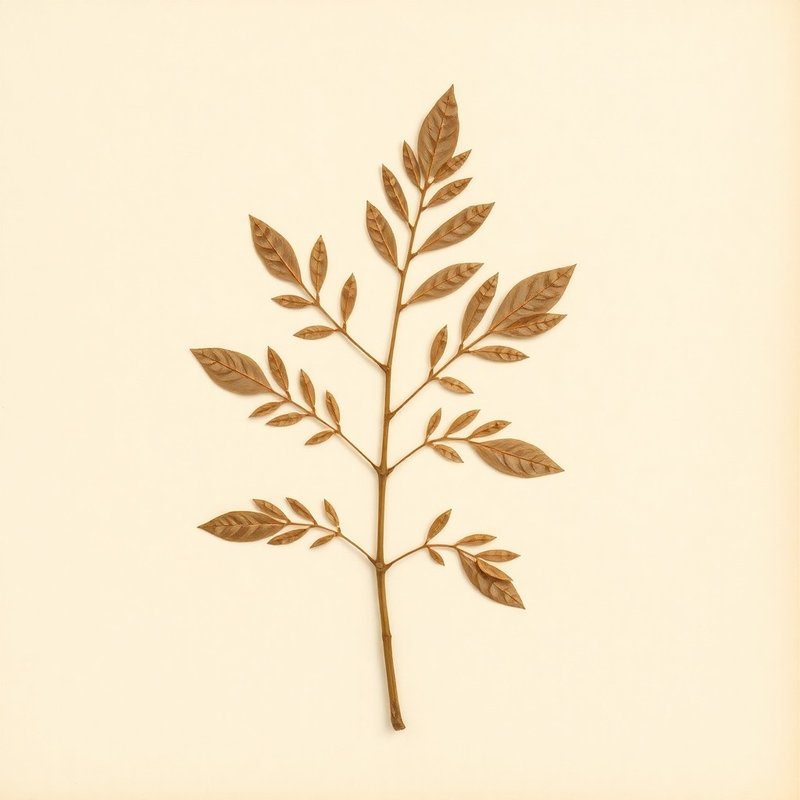
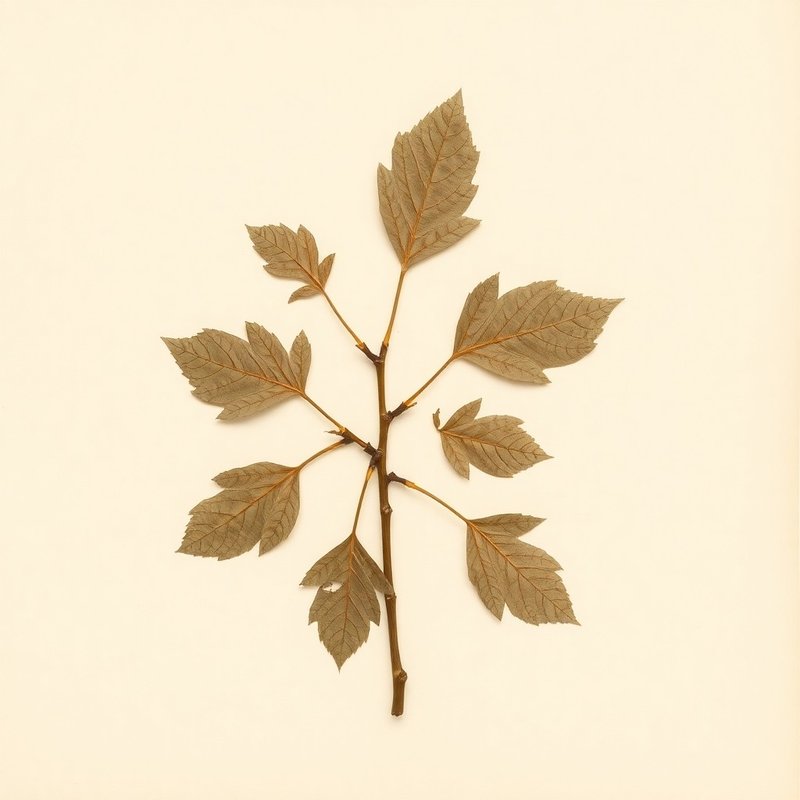
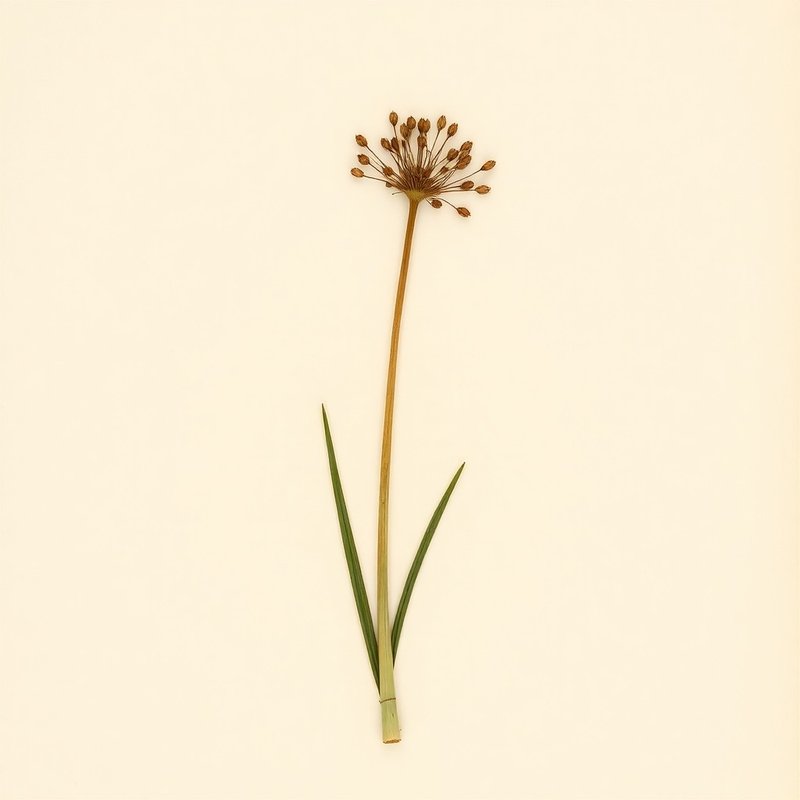
8 relatedPlants you might compare or use together — scored by shared family, common use cases, and growing requirements.
shared use cases
Different families, similar therapeutic role — good for comparing.

XI
Explore further
Companion planting
Health goals
Compare with similar plants
Growing zone
XII
About this entry
- Last updated
- Citation
- How to cite this entry · Submit a correction
Back to the cataloguePlant id · b882d902-3a2f-41f4-9a5b-5b78d4d96157
Decision aid
Choosing between Beach Hibiscus and something else?
Continue reading
❦❦❦❦
Endpaper · archive updates
Get archive updates
Occasional email when substantial new content lands — plant profiles, seasonal growing notes, folk-remedy additions. Free, no tracking, unsubscribe anytime.