
Six-Row Barley
Hordeum hexastichonfam. Poaceae
Educational content — not medical, botanical, or professional advice. Plant identification, safety, and edibility depend on local conditions, cultivars, and correct identification. Consult a qualified botanist or forager before consuming or handling wild specimens. How we source & review →
Garden journal pausedUse profile notes below
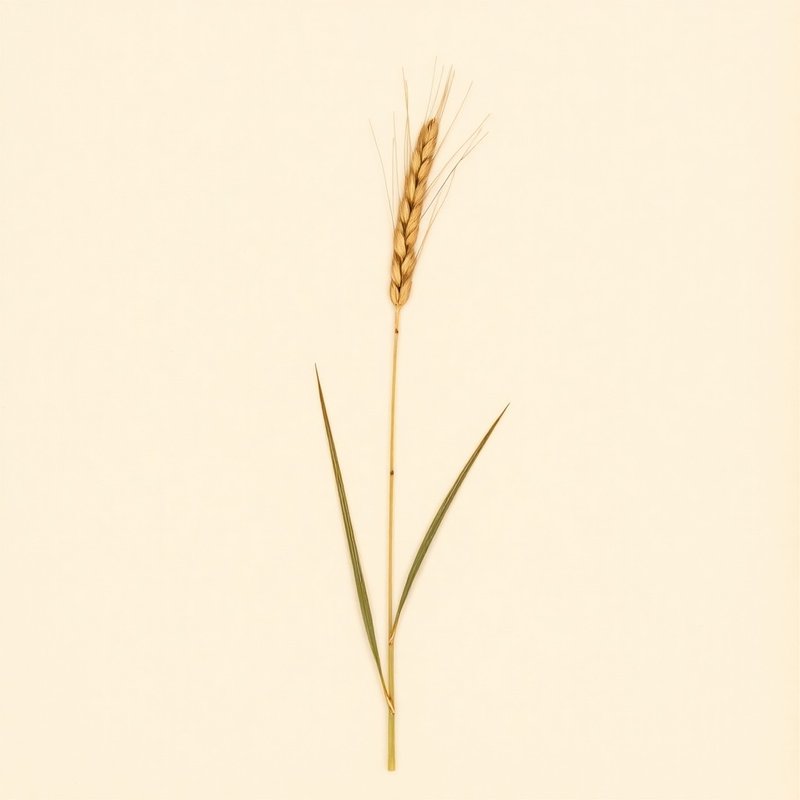
Pl. 5CCE — Hordeum hexastichon
Hordeum hexastichonHordeum hexastichonHordeum hexastichonHordeum hexastichonHordeum hexastichonHordeum hexastichonHordeum hexastichonHordeum hexastichonHordeum hexastichonHordeum hexastichonHordeum hexastichonHordeum hexastichonHordeum hexastichonHordeum hexastichon
IOverview
Overview
Six-Row Barley (Hordeum hexastichon) belongs to the Poaceae family and is native to Palestine, where it has been cultivated for centuries. This annual plant grows up to 1.2 meters tall and thrives in a variety of soil types—light, medium, or heavy—with a pH range between 5 and 8.5. Six-Row Barley prefers moist conditions but can adapt well to different environments. The plant's seeds are edible and can be consumed raw or cooked, making them suitable for use in soups and stews due to their mild flavor. Additionally, the grain can be ground into flour for baking breads and other baked goods. Six-Row Barley is adaptable and has been introduced to numerous regions across the globe, including Afghanistan, Alabama, Alaska, and many others listed above. Its cultivation benefits include its use as biomass, mulch, and in textile production. The plant's distinctive feature lies in its native habitat of Palestine, where it thrives under conditions that support its rapid growth rate. When growing Six-Row Barley, ensure the soil is well-draining yet retains moisture, with full sun to partial shade for optimal growth. Propagate through seeds directly sown in the garden bed after all danger of frost has passed. Given its native range in Palestine, this plant is hardy in temperate regions and can be grown successfully in various climates. Harvest the edible parts—seeds—when they are fully ripe and dry.
Quick answers
What is Six-Row Barley?
Six-Row Barley (Hordeum hexastichon) belongs to the Poaceae family and is native to Palestine, where it has been cultivated for centuries. This annual plant grows up to 1.2 meters tall and thrives in a variety of soil types—light, medium, or heavy—with a pH range between 5 and 8.
Growingconditions · propagation · uses
VCultivation
Cultivation
Six-Row Barley thrives in light to medium or heavy soils and prefers a pH range of 5 to 8.5. It requires moist conditions but is adaptable to various soil types, from sandy to clay. This annual plant grows up to 1.2 meters tall and needs full sun to partial shade for optimal growth. For cultivation, ensure the soil is well-draining yet retains moisture. Propagate through seeds directly sown in the garden bed after all danger of frost has passed. Given its native range in Palestine, Six-Row Barley is hardy in temperate regions. Harvest the edible parts—seeds—when they are fully ripe and dry.
Light
8/10
Water
Moist
Soil
Light (sandy), Medium, Heavy (clay)
Life cycle
Annual
Habit
Graminoid
Mature size
1.2 m tall
Soil pH
5–8.5
For first-time growers
How to grow Six-Row Barley for the first time
8steps
Start with Six-Row Barley to gain experience in growing grains.
- 1
What you'll need
Seeds, a garden plot or large container, soil, water.
- 2
Best time to plant
Plant in spring after the last frost, when temperatures are mild.
- 3
Soil and container prep
Use well-draining soil with a pH between 5 and 8.5; ensure containers are at least 30 cm deep.
- 4
Sowing or transplanting
Direct sow seeds 2-3 cm deep, spacing them about 15 cm apart in rows 45 cm apart.
- 5
First two weeks
Keep soil consistently moist; water regularly to prevent drying out.
- 6
Ongoing care
Water as needed to keep the soil moist but not soggy. Monitor for pests and diseases.
- 7
Harvest or pruning
Cut down the plants when the heads are dry, usually after 90-120 days; prune any dead leaves to maintain plant health.
- 8
Common mistakes
Overwatering, planting too deep, neglecting to remove weeds.
VIEdible & utility
Edible & utility
Edible parts:Seed
Edible uses: The six-row barley's seed is edible and can be consumed raw or cooked. It is often used in soups and stews due to its mild flavor. The grain can also be ground into flour for baking breads and other baked goods. Skip
Other uses:BiomassMulchtextiles
Contextrange · companions · related
VIIDistribution
1 native · 196 introduced
Distribution
1 native · 196 introducedDistribution across5 continents· 1 native· 196 introduced
Europe24 regions
introduced (24)AlbaniaAustriaBelarusBelgiumBulgariaCyprusDenmarkFinlandFranceGermanyHungaryIcelandItalyNetherlandsNorwayPolandPortugalRomaniaRussiaSpainSwedenSwitzerlandUkraineUnited Kingdom
Asia24 regions
native (1)Palestine
introduced (23)AfghanistanBangladeshChinaIndiaIranIraqJapanKazakhstanKuwaitMongoliaMyanmarNepalOmanPakistanSaudi ArabiaSouth KoreaSri LankaTaiwanTurkeyTurkmenistanUzbekistanVietnamYemen
Americas13 regions
introduced (13)BoliviaColombiaCubaDominican RepublicEcuadorEl SalvadorGreenlandGuatemalaHaitiHondurasPeruUnited StatesUruguay
Africa13 regions
introduced (13)AlgeriaChadEgyptEthiopiaLibyaMauritaniaMoroccoNigerNigeriaRwandaTanzaniaTunisiaWestern Sahara
Oceania2 regions
introduced (2)FijiNew Caledonia
Broader regions
introduced:Alabama, Alberta, Amur, Argentina Northeast, Argentina Northwest, Argentina South, Arizona, Arkansas, Baltic States, Brazil South, British Columbia, California, Chile Central, Chile North, Colorado, Connecticut, Czechoslovakia, District of Columbia, East Aegean Is., East Himalaya, Florida, Gulf of Guinea Is., Gulf States, Idaho, Illinois, Indiana, Iowa, Jawa, Kamchatka, Kansas, Kentucky, Khabarovsk, Kirgizstan, Kriti, Lebanon-Syria, Louisiana, Magadan, Maine, Manitoba, Maryland, Masachusettes, Massachusetts, Mexico Central, Mexico Gulf, Mexico Northeast, Mexico Northwest, Mexico Southeast, Mexico Southwest, Michigan, Minnesota, Mississippi, Missouri, Montana, Nansei-shoto, Nebraska, Nevada, New Brunswick, New Hampshire, New Mexico, New South Wales, New York, New Zealand North, New Zealand South, North Carolina, North Dakota, Northwest Territorie, Nova Scotia, Ohio, Oklahoma, Ontario, Oregon, Pennsylvania, Primorye, Prince Edward I., Québec, Queensland, Rhode I., Sakhalin, Saskatchewan, Sinai, South Australia, South Carolina, South Dakota, Tadzhikistan, Tasmania, Tennessee, Texas, Transcaucasus, Turkey-in-Europe, Utah, Vermont, Victoria, Virginia, Washington, West Himalaya, Western Australia, Windward Is., Wisconsin, Wyoming, Yugoslavia, Yukon
IXSpecimen gallery
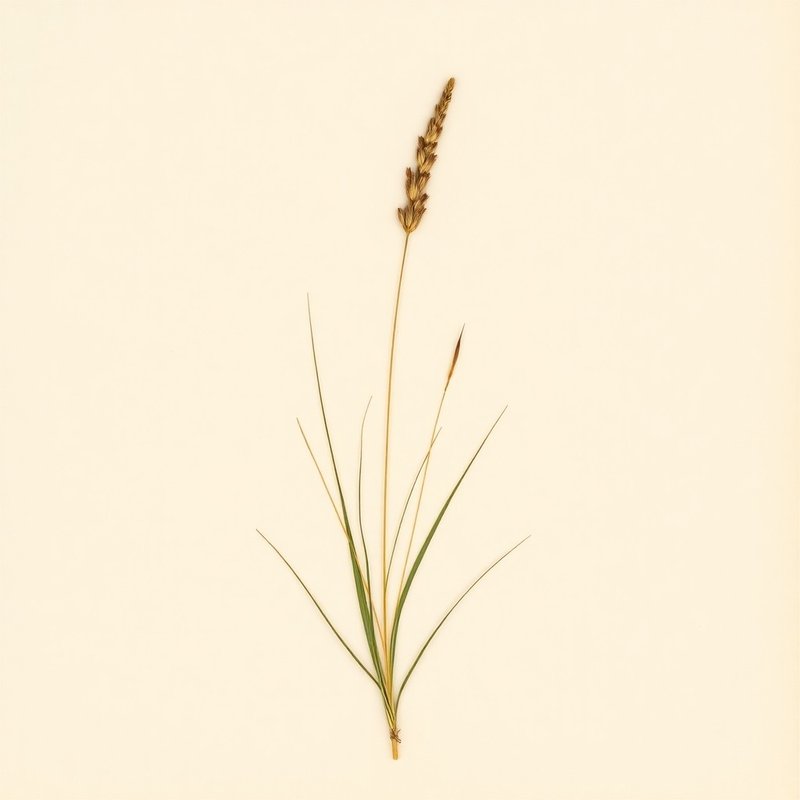
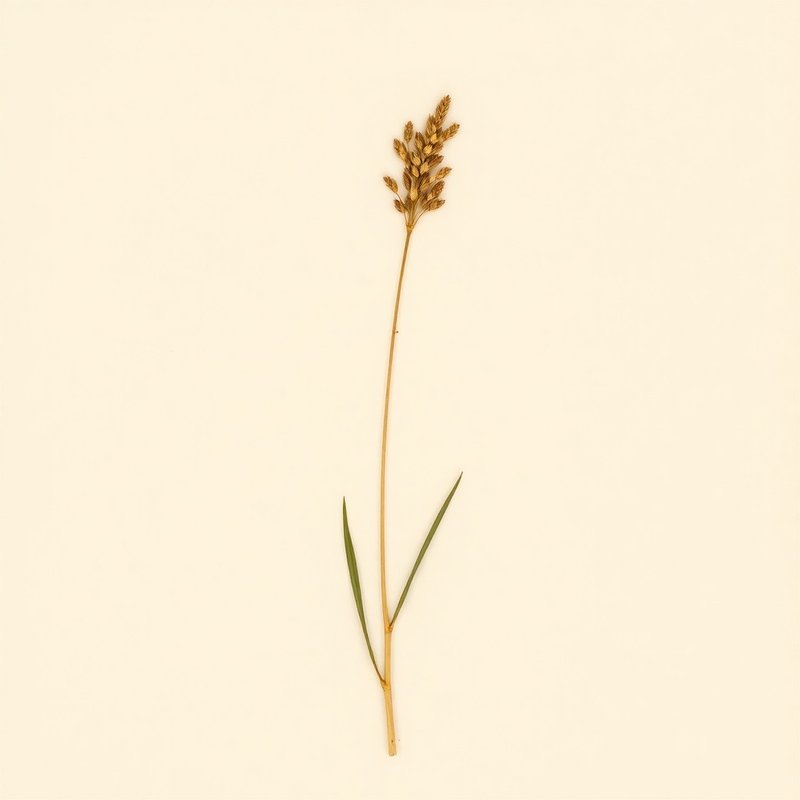
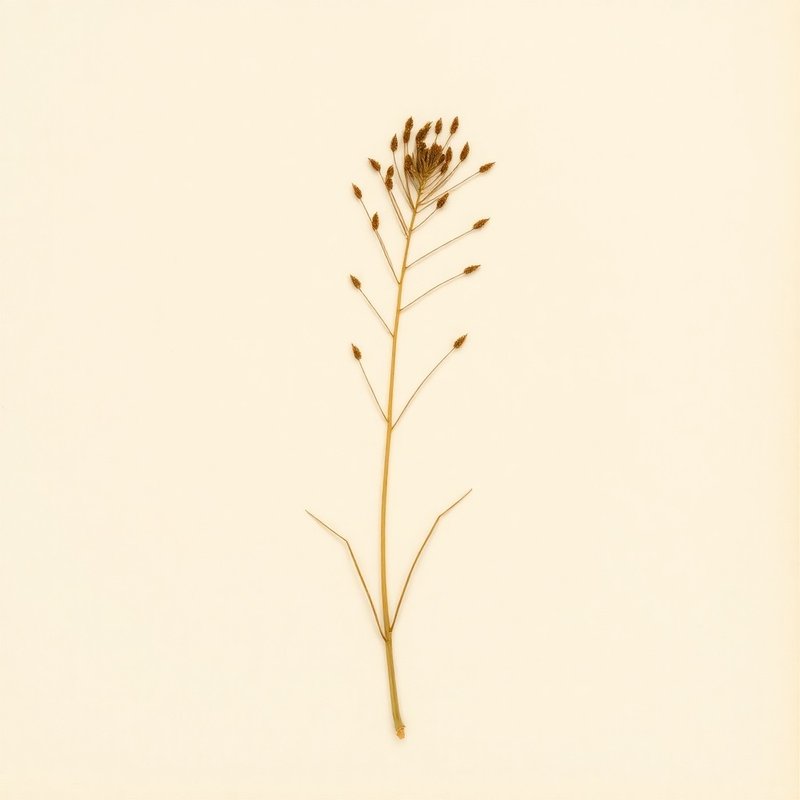
1 image
Specimen gallery
1 imageXSee also
8 related
See also
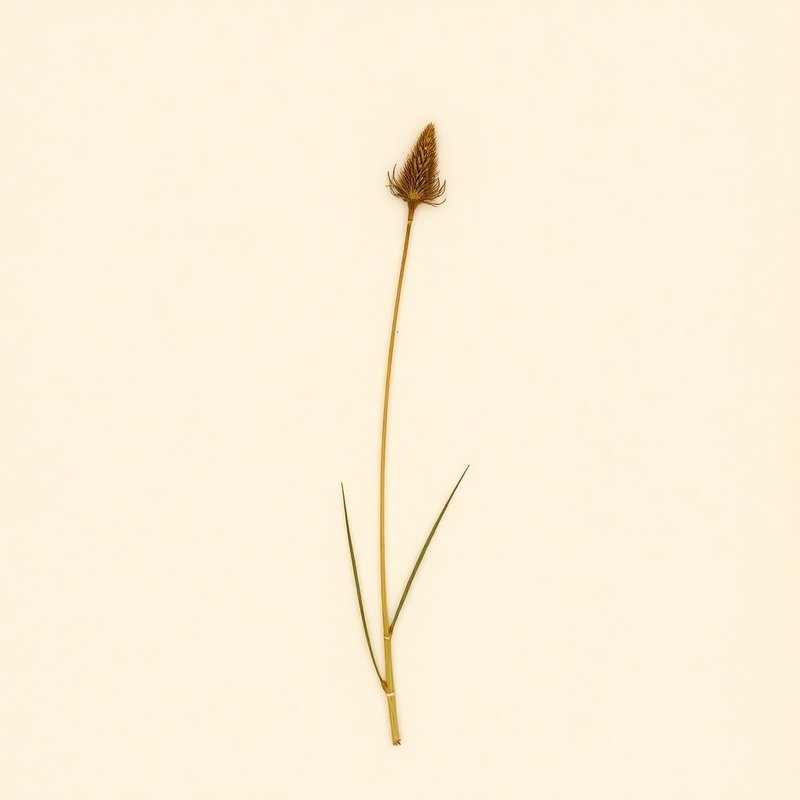
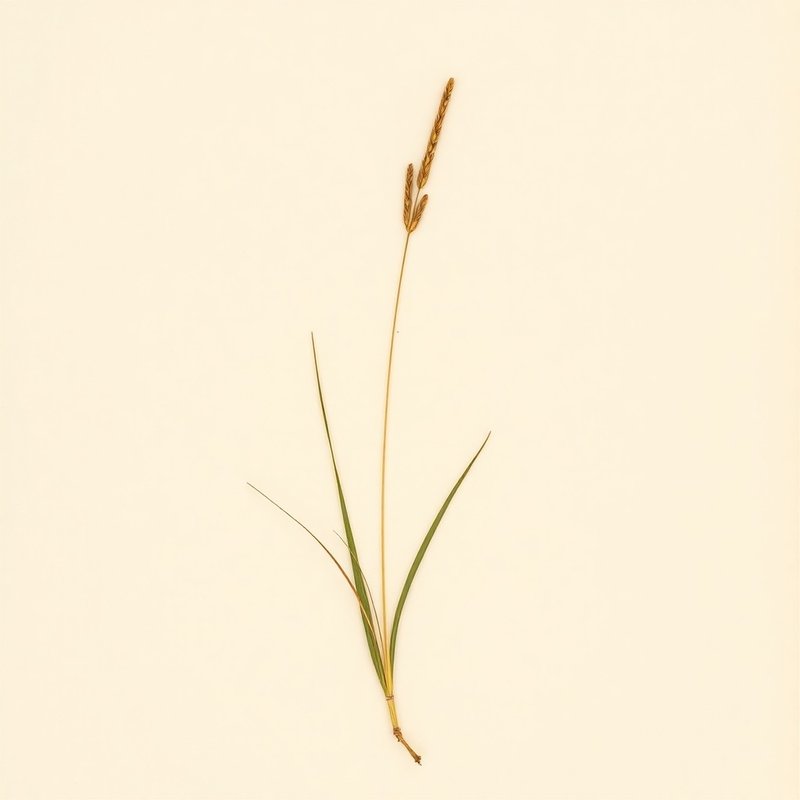
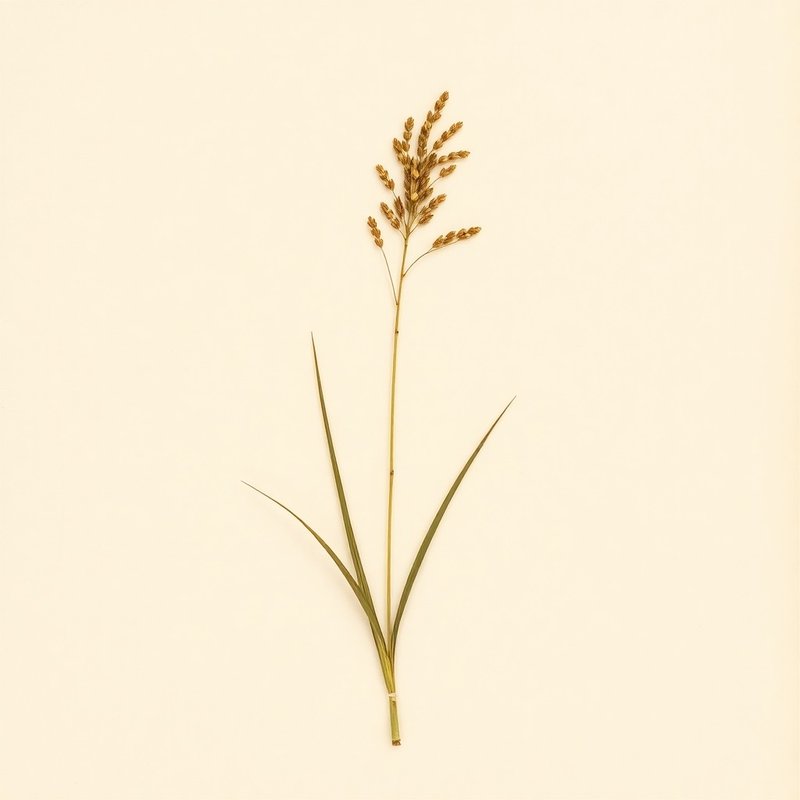
8 relatedPlants you might compare or use together — scored by shared family (Poaceae), common use cases, and growing requirements.
same family · Poaceae
Botanical relatives — often share phytochemistry + growing needs.

XI
Explore further
Companion planting
Compare with similar plants
Native to
XII
About this entry
- Last updated
- Citation
- How to cite this entry · Submit a correction
Back to the cataloguePlant id · 5cced3b3-625b-48cd-b73e-75cecd8ecce0
Decision aid
Choosing between Six-Row Barley and something else?
Continue reading
❦❦❦❦
Endpaper · archive updates
Get archive updates
Occasional email when substantial new content lands — plant profiles, seasonal growing notes, folk-remedy additions. Free, no tracking, unsubscribe anytime.
Newsletter returning soon.
We are rebuilding the update list around a lightweight editorial workflow. New dispatches will resume after the next content review cycle.