
Paleyellow touch-me-not
IOverview
Overview
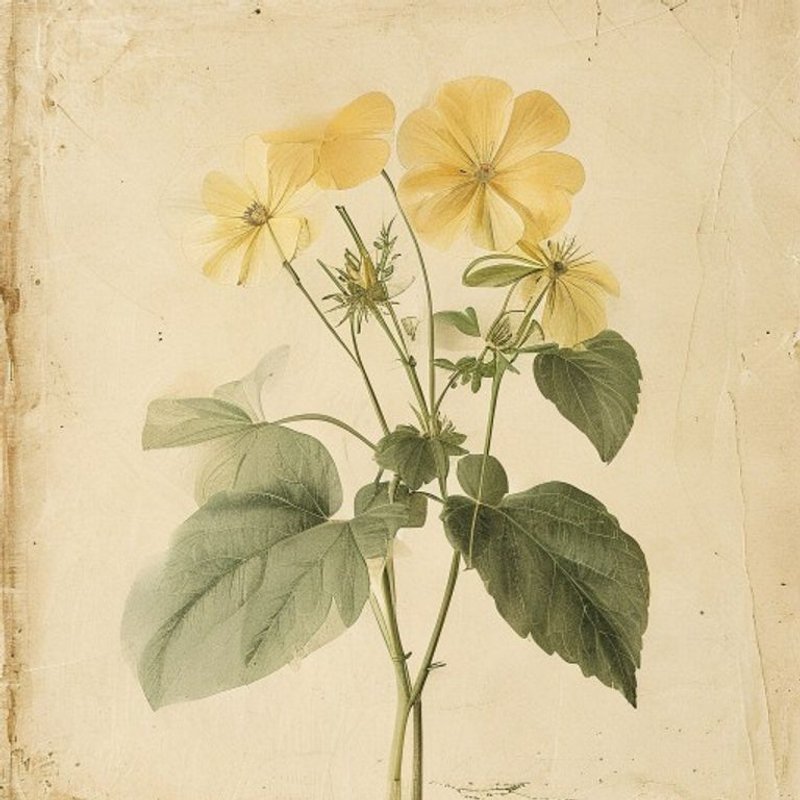
Paleyellow touch-me-not (Impatiens aurella) is an annual forb or herb native to the Pacific Northwest of North America, specifically found in British Columbia, Idaho, Montana, Oregon, and Washington. This plant thrives in moist environments with light to partial sun exposure and prefers soils that are light (sandy), medium, or heavy (clay). Known for its edible parts—leaves, seeds, and shoots—it is often eaten fresh in salads or as a garnish. Seeds can also be harvested and used in various culinary applications such as soups or roasted for a nutty flavor. The paleyellow touch-me-not is distinguished by its pale yellow coloration, making it a notable ornamental choice in gardens while also serving as a valuable food source. While it is not medicinal, it does offer practical benefits such as antifungal properties and can be used for pest control. This plant is hardy in temperate regions and is a versatile addition to both gardens and culinary uses.
What is Paleyellow touch-me-not?
Paleyellow touch-me-not (Impatiens aurella) is an annual forb or herb native to the Pacific Northwest of North America, specifically found in British Columbia, Idaho, Montana, Oregon, and Washington.
VCultivation
Cultivation
How to grow Paleyellow touch-me-not for the first time
Start with Paleyellow touch-me-not for a simple and rewarding gardening experience.
- 1
What you'll need
Seeds, small pots or trays, potting soil, a watering can.
- 2
Best time to plant
Plant in late spring after the last frost, when temperatures are mild.
- 3
Soil and container prep
Use well-draining soil. Containers should be at least 6 inches deep.
- 4
Sowing or transplanting
Start seeds indoors about 6 weeks before planting outside. Transplant carefully to avoid damaging roots.
- 5
First two weeks
Keep the soil consistently moist and place in a partially shaded area to acclimate.
- 6
Ongoing care
Provide full sun to partial shade, keep soil moist but not waterlogged. Fertilize lightly every 4-6 weeks.
- 7
Harvest or pruning
Prune regularly to encourage bushy growth and remove dead flowers.
- 8
Common mistakes
Overwatering, planting in heavy soil, neglecting to prune, not providing enough light, waiting too long to plant after the last frost.
VIEdible & utility
Edible & utility
VIIDistribution
5 native · 0 introduced
Distribution
5 native · 0 introducedIXSpecimen gallery
1 image
Specimen gallery
1 imageExplore further
About this entry
- Last updated
- Citation
- How to cite this entry · Submit a correction
Continue reading
Get archive updates
Occasional email when substantial new content lands — plant profiles, seasonal growing notes, folk-remedy additions. Free, no tracking, unsubscribe anytime.