
Ice Cream Bean
Inga edulis
Educational content — not medical, botanical, or professional advice. Plant identification, safety, and edibility depend on local conditions, cultivars, and correct identification. Consult a qualified botanist or forager before consuming or handling wild specimens. How we source & review →
Garden journal pausedUse profile notes below
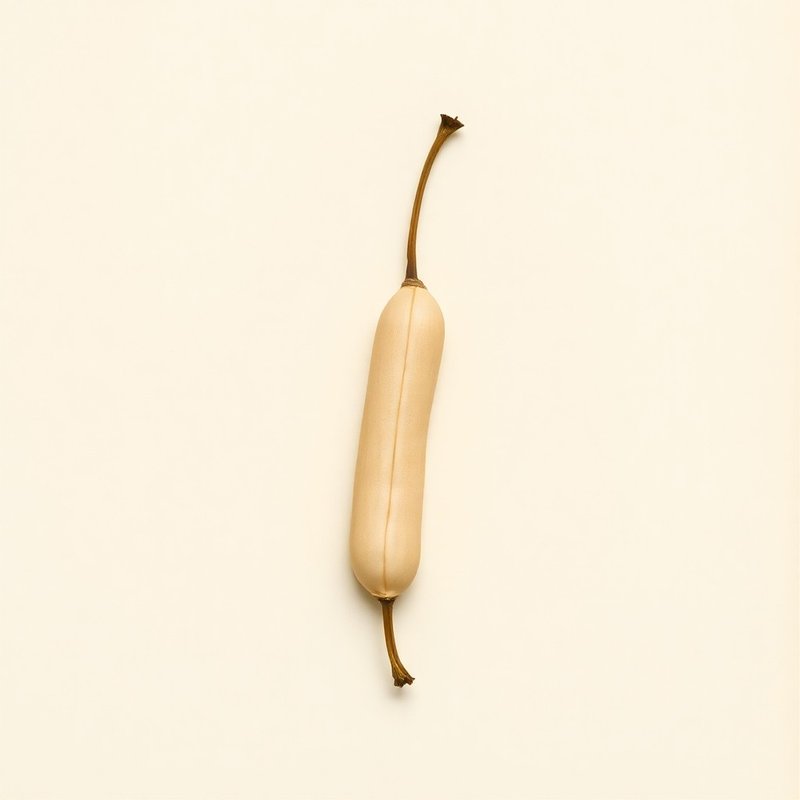
Pl. D9B3 — Inga edulis
Inga edulisInga edulisInga edulisInga edulisInga edulisInga edulisInga edulisInga edulisInga edulisInga edulisInga edulisInga edulisInga edulisInga edulis
IOverview
Overview
The Ice Cream Bean (Inga edulis) is a tall tree native to the tropical regions of South America, including Argentina Northwest, Bolivia, Brazil, Colombia, Ecuador, French Guiana, Guyana, Peru, Suriname, and Venezuela. Known for its edible seedpods that are enjoyed both raw and cooked, this plant thrives in various soil types—light (sandy), medium, and heavy (clay)—and can tolerate a wide range of moisture levels from dry to wet. It prefers full sun to partial shade and grows up to 18 meters tall with a spread of about 7 meters. The tree is notable for its light green foliage and distinctive seedpods that resemble ice cream cones, hence the common name. The Ice Cream Bean can be used in various applications due to its versatility. It thrives in full to partial sun and prefers moist, well-draining soil with a pH between 6 and 8.5. This tree is adaptable to light (sandy), medium, or heavy (clay) soils but requires regular watering, especially when the soil is dry. Its rapid growth rate makes it an impressive addition to gardens in temperate regions with hardiness zones 9-12. In cultivation, the Ice Cream Bean can serve multiple purposes. It can be used as a container plant, fencing material, fire starter, hedgerow, soil conditioner, erosion control, lumber source, coppice wood, and nitrogen fixer. The tree has been introduced to various regions including Angola, Cook Islands, Costa Rica, El Salvador, Gabon, Guatemala, Gulf of Guinea Islands, Honduras, Java, Malaya, Nicaragua, Nigeria, Panama, Puerto Rico, Tanzania, Trinidad-Tobago, Tuamotu, Tubuai Islands, and Windward Islands. The seedpods are typically harvested when ripe and consumed raw or lightly cooked; they can also be dried for later use. While the Ice Cream Bean is primarily known for its edible value, it should be noted that caution is advised in using any part of the plant medicinally without professional guidance due to potential unknown effects.
Quick answers
What is Ice Cream Bean?
The Ice Cream Bean (Inga edulis) is a tall tree native to the tropical regions of South America, including Argentina Northwest, Bolivia, Brazil, Colombia, Ecuador, French Guiana, Guyana, Peru, Suriname, and Venezuela.
Growingconditions · propagation · uses
VCultivation
Cultivation
The Ice Cream Bean thrives in full to partial sun and prefers moist, well-draining soil with a pH between 6 and 8.5. It is adaptable to light (sandy), medium, or heavy (clay) soils but requires regular watering, especially when the soil is dry. This tree can grow up to 18 meters tall and 7 meters wide, making it an impressive addition to gardens in temperate regions with hardiness zones 9-12. Propagate through seeds, which are contained within edible seedpods.
Light
Full sun, Partial sun/shade
Water
Dry, Moist, Wet
Soil
Light (sandy), Medium, Heavy (clay)
Hardiness
9-12
Habit
Tree
Mature size
18.0 m × 7 m
Soil pH
6–8.5
- Seed viability
- 3-5 years
For first-time growers
How to grow Ice Cream Bean for the first time
8steps
Start with a simple Ice Cream Bean tree to observe its growth and learn about basic care.
- 1
What you'll need
A young Ice Cream Bean sapling, well-draining soil, and a large container or garden space.
- 2
Best time to plant
Plant in spring when the last frost has passed and temperatures are consistently warm.
- 3
Soil and container prep
Ensure your soil is light (sandy), medium, or heavy with a pH between 6 and 8.5. Use a large pot with drainage holes if planting in containers.
- 4
Sowing or transplanting
Transplant the sapling to its permanent spot or plant it directly into the ground after hardening off for a few days.
- 5
First two weeks
Water regularly, keeping the soil moist but not waterlogged. Place in partial sun to avoid scorching young leaves.
- 6
Ongoing care
Provide full or partial sun, keep the soil consistently moist, and fertilize with a balanced plant food every few months.
- 7
Harvest or pruning
Prune in late winter to early spring to maintain shape and remove dead branches. Harvest seedpods when they turn brown and dry on the tree.
- 8
Common mistakes
Overwatering, planting in full sun without partial shade, using heavy clay soil, neglecting pruning, and not providing enough space for growth.
VIEdible & utility
Edible & utility
Edible parts:Seedpod
Edible uses: The ice cream bean (Inga edulis) is eaten for its seedpods, which are typically harvested when ripe and consumed raw or lightly cooked. They can also be dried and used later. The pods have a sweet, creamy flavor, hence the name "ice cream bean."
Other uses:ContainersFencingFire starterHedgerowSoil conditionerErosion controlLumberCoppiceNitrogen fixer
Contextrange · companions · related
VIIDistribution
15 native · 20 introduced
Distribution
15 native · 20 introducedDistribution across2 continents· 15 native· 20 introduced
Americas14 regions
native (8)BoliviaColombiaEcuadorFrench GuianaGuyanaPeruSurinameVenezuela
introduced (6)Costa RicaEl SalvadorGuatemalaHondurasNicaraguaPuerto Rico
Africa4 regions
introduced (4)AngolaGabonNigeriaTanzania
Broader regions
native:Argentina Northwest, Brazil North, Brazil Northeast, Brazil South, Brazil Southeast, Brazil West-Central, Galápagos
introduced:Cook Is., Gulf of Guinea Is., Jawa, Malaya, Panamá, Trinidad-Tobago, Tuamotu, Tubuai Is., Windward Is., Zaïre
IXSpecimen gallery
1 image
Specimen gallery
1 imageXI
Explore further
Companion planting
Growing zone
XII
About this entry
- Last updated
- Citation
- How to cite this entry · Submit a correction
Back to the cataloguePlant id · d9b3f86b-641d-4d8d-98bb-3eb6f1b62b13
Decision aid
Choosing between Ice Cream Bean and something else?
Continue reading
❦❦❦❦
Endpaper · archive updates
Get archive updates
Occasional email when substantial new content lands — plant profiles, seasonal growing notes, folk-remedy additions. Free, no tracking, unsubscribe anytime.
Newsletter returning soon.
We are rebuilding the update list around a lightweight editorial workflow. New dispatches will resume after the next content review cycle.