
Ipomoea batatas
Ipomoea batatas
Educational content — not medical, botanical, or professional advice. Plant identification, safety, and edibility depend on local conditions, cultivars, and correct identification. Consult a qualified botanist or forager before consuming or handling wild specimens. How we source & review →
Garden journal pausedUse profile notes below
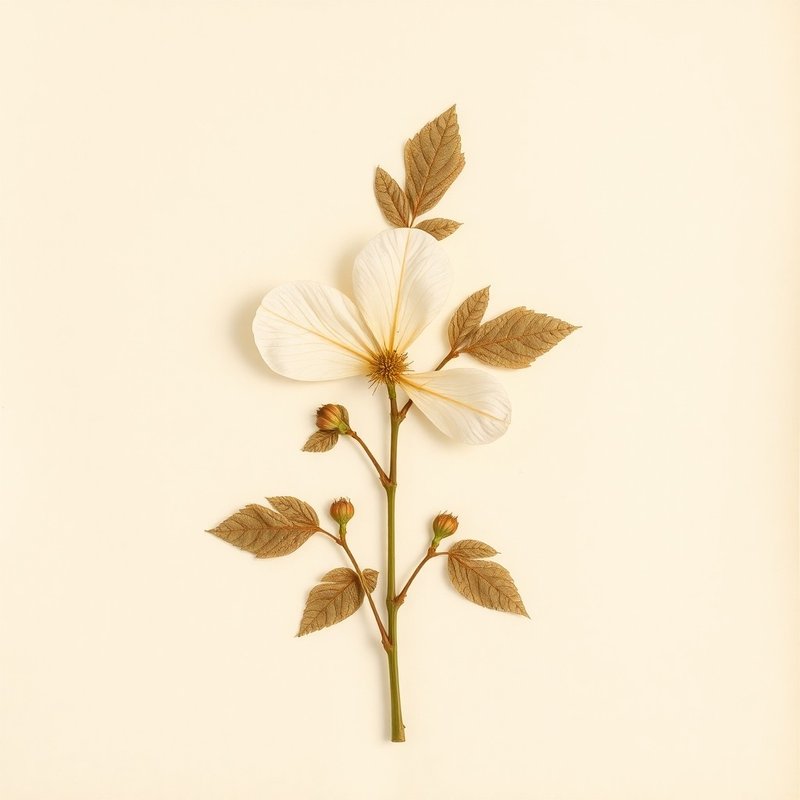
Pl. 545A — Ipomoea batatas
Ipomoea batatasIpomoea batatasIpomoea batatasIpomoea batatasIpomoea batatasIpomoea batatasIpomoea batatasIpomoea batatasIpomoea batatasIpomoea batatasIpomoea batatasIpomoea batatasIpomoea batatasIpomoea batatas
IOverview
Overview
Ipomoea batatas, commonly known as sweet potato, is a vine that thrives in full sun and prefers moist, well-draining soil with light to medium textures. Native to the tropical regions of Central America and Mexico, it has been cultivated for its edible roots and tubers across Belize, Colombia, Costa Rica, Ecuador, El Salvador, Guatemala, Honduras, and parts of Mexico. This perennial plant can grow up to 3 meters in both height and width, making it a striking ornamental addition to gardens. Sweet potato is valued not only for its culinary uses but also for its adaptability and beauty in various landscapes. Sweet potatoes are typically prepared by boiling or baking before consumption; the roots and tubers can be stored after harvesting and used later for cooking. This versatile plant has been introduced into numerous regions, including parts of Africa, Asia, Australia, Europe, and South America, where it thrives and is cultivated for its edible properties. While primarily known for its culinary uses, sweet potato also serves as a ground cover or biomass source. However, due to its rapid growth, it can be considered a weed in some areas. Its ornamental value lies in its vibrant foliage and fast-growing vines, making it an attractive addition to gardens and landscapes.
Quick answers
What is Ipomoea batatas?
Ipomoea batatas, commonly known as sweet potato, is a vine that thrives in full sun and prefers moist, well-draining soil with light to medium textures.
Growingconditions · propagation · uses
VCultivation
Cultivation
Ipomoea batatas thrives in full sun and prefers moist, well-draining soil that is light (sandy) to medium. It can grow up to 3 meters tall and wide, making it a vigorous vine. This plant is hardy in temperate regions with zones 10-12, but may require protection from frost. For propagation, seeds or stem cuttings are effective methods. Harvest the edible roots and tubers for culinary use.
Light
Full sun
Water
Moist
Soil
Light (sandy), Medium
Hardiness
10-12
Life cycle
Perennial
Habit
Forb/herb, Vine
Mature size
3.0 m × 3 m
For first-time growers
How to grow Ipomoea batatas for the first time
8steps
Start with easy-to-grow sweet potatoes for a rewarding beginner gardening experience.
- 1
What you'll need
Seeds or seedlings, quality potting soil, containers or garden space, water can or hose.
- 2
Best time to plant
Plant in late spring after the last frost when temperatures are consistently above 10°C (50°F).
- 3
Soil and container prep
Use well-draining soil with a mix of light sand and compost. Ensure containers are at least 30 cm deep.
- 4
Sowing or transplanting
Direct sow seeds in the garden once the weather is warm, or start seedlings indoors about 4 weeks before planting outside.
- 5
First two weeks
Water regularly to keep soil moist. Place containers in a sunny spot and protect from strong winds.
- 6
Ongoing care
Provide full sun exposure for at least 6 hours daily. Water when the top inch of soil feels dry, but avoid overwatering.
- 7
Harvest or pruning
Prune vines to encourage tuber growth and remove dead leaves to prevent disease. Harvest roots after frost kills foliage in fall.
- 8
Common mistakes
Overwatering, planting too early before warm weather, not providing enough sunlight.
VIEdible & utility
Edible & utility
Edible parts:rootstubers
Edible uses: The roots and tubers of Ipomoea batatas are edible. Typically, they are prepared by boiling or baking before consumption. These parts can also be stored after harvesting and used later for cooking.
Other uses:BiomassFire starterGround cover
Contextrange · companions · related
VIIDistribution
14 native · 137 introduced
Distribution
14 native · 137 introducedDistribution across5 continents· 14 native· 137 introduced
Europe3 regions
introduced (3)GreecePortugalSpain
Asia16 regions
introduced (16)BangladeshCambodiaChinaIndiaLaosMyanmarNepalPakistanPhilippinesSaudi ArabiaSouth KoreaSri LankaThailandTurkmenistanVietnamYemen
Americas23 regions
native (9)BelizeColombiaCosta RicaEcuadorEl SalvadorGuatemalaHondurasNicaraguaVenezuela
introduced (14)BahamasBoliviaCubaDominican RepublicFrench GuianaGuyanaHaitiJamaicaParaguayPeruPuerto RicoSurinameUnited StatesUruguay
Africa32 regions
introduced (32)AlgeriaAngolaBurundiCabo VerdeCameroonChadComorosCôte d'IvoireEgyptEritreaEthiopiaGhanaGuineaGuinea-BissauKenyaLibyaMadagascarMalawiMauritaniaMauritiusMoroccoMozambiqueNigeriaRwandaSenegalSeychellesSierra LeoneSomaliaSudanTanzaniaUgandaZimbabwe
Oceania5 regions
introduced (5)FijiNauruNew CaledoniaTongaTuvalu
Broader regions
native:Mexico Gulf, Mexico Northeast, Mexico Southeast, Mexico Southwest, Panamá
introduced:Alabama, Argentina Northeast, Argentina Northwest, Bermuda, Borneo, Brazil North, Brazil Northeast, Brazil South, Brazil Southeast, Brazil West-Central, Cape Provinces, Caroline Is., Cayman Is., Central African Repu, Chile North, Christmas I., Colorado, Congo, Cook Is., East Himalaya, Easter Is., Florida, Galápagos, Gilbert Is., Jawa, Kermadec Is., Kirgizstan, KwaZulu-Natal, Leeward Is., Lesser Sunda Is., Line Is., Malaya, Maluku, Marianas, Marquesas, Marshall Is., Mexico Central, Nansei-shoto, New Guinea, New York, New Zealand North, Niue, Queensland, Réunion, Rodrigues, Society Is., Solomon Is., St.Helena, Sulawesi, Sumatera, Tadzhikistan, Texas, Tokelau-Manihiki, Transcaucasus, Trinidad-Tobago, Tuamotu, Tubuai Is., Venezuelan Antilles, Wake I., Western Australia, Windward Is., Zaïre
IXSpecimen gallery
1 image
Specimen gallery
1 imageXI
Explore further
Companion planting
Growing zone
Native to
XII
About this entry
- Last updated
- Citation
- How to cite this entry · Submit a correction
Back to the cataloguePlant id · 545a898e-0cef-4686-99e2-6178f1184c1e
Decision aid
Choosing between Ipomoea batatas and something else?
Continue reading
❦❦❦❦
Endpaper · archive updates
Get archive updates
Occasional email when substantial new content lands — plant profiles, seasonal growing notes, folk-remedy additions. Free, no tracking, unsubscribe anytime.
Newsletter returning soon.
We are rebuilding the update list around a lightweight editorial workflow. New dispatches will resume after the next content review cycle.