
Juglans sinensis
Juglans sinensis
Educational content — not medical, botanical, or professional advice. Always consult a qualified clinician before using any herbal preparation — especially during pregnancy, breastfeeding, while on medication, or for children. How we source & review →

Pl. C519 — Juglans sinensis
Juglans sinensisJuglans sinensisJuglans sinensisJuglans sinensisJuglans sinensisJuglans sinensisJuglans sinensisJuglans sinensisJuglans sinensisJuglans sinensisJuglans sinensisJuglans sinensisJuglans sinensisJuglans sinensis
IOverview
Overview
Juglans sinensis, commonly known as the Chinese walnut tree, is a deciduous tree native to regions including Afghanistan, Iran, Iraq, Lebanon-Syria, North Caucasus, Pakistan, Poland, Transcaucasus, and Turkey. This tree can grow up to 20 meters in height and thrives in moist, light (sandy), medium, or heavy (clay) soil with a pH range of 6 to 7.5. It is valued for its edible seeds, which are both nutritious and tasty. The Chinese walnut tree is adaptable and can be found growing naturally across its native range, making it a useful addition to gardens and landscapes in similar climates.
Quick answers
What is Juglans sinensis?
Juglans sinensis, commonly known as the Chinese walnut tree, is a deciduous tree native to regions including Afghanistan, Iran, Iraq, Lebanon-Syria, North Caucasus, Pakistan, Poland, Transcaucasus, and Turkey.
What is Juglans sinensis used for?
Traditionally used for digestion. Each claim is evidence-rated — see Section II for full citations.
Best for
Top 1 evidence-ranked use of Juglans sinensis
Clinicaluses · safety · chemistry · dosagemedicinal profile
IIBenefits & evidence
1 claim · 0 sources
Benefits & evidence
1 claim · 0 sources- Traditional-use note: Juglans sinensis appears in herbal sources around after-meal comfort traditions, often as a decoction. PlantSage presents this as ethnobotanical context, not as medical advice.
Traditional context only. This reviewed claim keeps the original low confidence level, but avoids treatment, disease, dosage, or guaranteed-effect language.
Growingconditions · propagation · uses
VCultivation
Cultivation
Juglans sinensis thrives in light to partial shade and prefers moist, well-draining soils that are light (sandy), medium, or heavy (clay). The tree is hardy in temperate regions but can grow up to 20 meters tall. For optimal growth, maintain a soil pH between 6 and 7.5. Propagate through seed, ensuring the seeds are planted in fertile, well-draining soil. Water regularly to keep the soil moist but not waterlogged.
Light
8/10
Water
Moist
Soil
Light (sandy), Medium, Heavy (clay)
Habit
Tree
Mature size
20.0 m tall
Soil pH
6–7.5
Seasonal calendar
Northern hemisphere · UTC month is September
winterspringsummerautumnwinter
BloomJFMAMJJASOND
For first-time growers
How to grow Juglans sinensis for the first time
8steps
Start with planting Juglans sinensis as a simple, rewarding project for beginners.
- 1
What you'll need
A Juglans sinensis seed or young sapling, a small trowel, and some compost.
- 2
Best time to plant
Plant in early spring when the soil is workable but not too wet.
- 3
Soil and container prep
Ensure the soil drains well; mix in compost if necessary. For containers, use a pot at least 30 cm wide and deep.
- 4
Sowing or transplanting
Plant seeds about 2.5 cm deep and 15 cm apart. Transplant young saplings to their final spot.
- 5
First two weeks
Keep the soil moist but not waterlogged. Water regularly, especially if it's dry.
- 6
Ongoing care
Water when the top inch of soil feels dry and mulch around the base to retain moisture. Fertilize once a year in spring with compost.
- 7
Harvest or pruning
Prune young trees to shape them, removing weak branches. Mature trees may not need regular pruning.
- 8
Common mistakes
Overwatering, planting too deep, and neglecting proper pruning are common issues beginners should avoid.
VIEdible & utility
Edible & utility
Edible parts:Seed
Edible uses: Oil
Other uses:Herbicideoil
Contextrange · companions · related
VIIDistribution
10 native · 20 introduced
Distribution
10 native · 20 introducedDistribution across2 continents· 10 native· 20 introduced
Europe7 regions
native (2)PolandRussia
introduced (5)BulgariaItalyPortugalRussiaUkraine
Asia11 regions
native (5)AfghanistanIranIraqPakistanTurkey
introduced (6)ChinaLaosNepalOmanTurkmenistanUzbekistan
Broader regions
native:West Himalaya, Lebanon-Syria, Transcaucasus
introduced:East Aegean Is., East Himalaya, Kirgizstan, Kriti, Mexico Southwest, Tadzhikistan, Turkey-in-Europe
IXSpecimen gallery
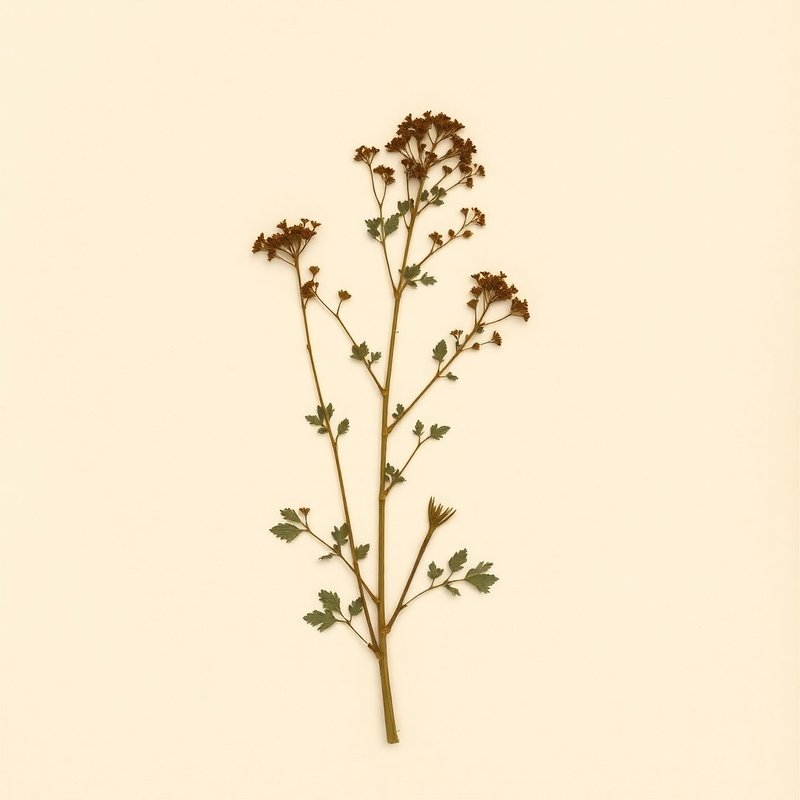
1 image
Specimen gallery
1 imageXSee also
8 related
See also
8 relatedPlants you might compare or use together — scored by shared family, common use cases, and growing requirements.
shared use cases
Different families, similar therapeutic role — good for comparing.

XI
Explore further
Companion planting
Health goals
Compare with similar plants
XII
About this entry
- Last updated
- Citation
- How to cite this entry · Submit a correction
Back to the cataloguePlant id · c5196f64-e03f-4347-b5d9-b0c3c4331e2f
Decision aid
Choosing between Juglans sinensis and something else?
Continue reading
❦❦❦❦
Endpaper · archive updates
Get archive updates
Occasional email when substantial new content lands — plant profiles, seasonal growing notes, folk-remedy additions. Free, no tracking, unsubscribe anytime.