
Golden-chain tree
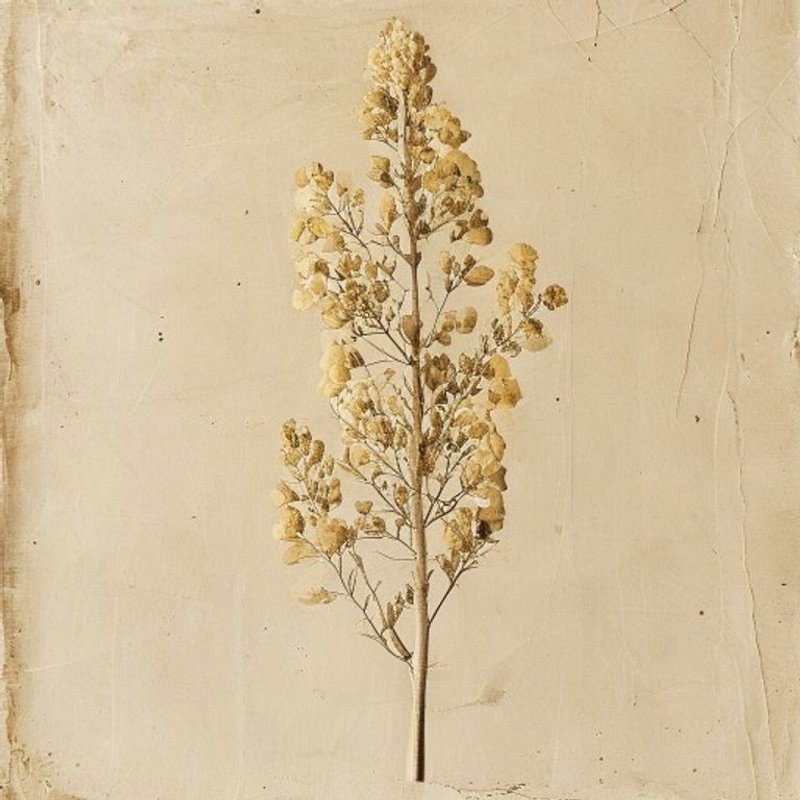
IOverview
Overview
The Golden-chain tree (Laburnum anagyroides) is a deciduous tree native to the mountainous regions of central and southern Europe, including Albania, Austria, Czechoslovakia, France, Germany, Hungary, Italy, Romania, Switzerland, and Yugoslavia. This plant thrives in well-drained soils that are dry to moist, with a pH range of 7.5–8, making it suitable for alkaline environments. It can grow up to 6 meters tall and is often used as an ornamental tree due to its cascading clusters of golden-yellow pea-like flowers in early spring. Its light wood and attractive foliage make it a popular choice for gardens and parks. The Golden-chain tree prefers well-drained soil with a slightly acidic to neutral pH, falling within the range of 7.5-8, and thrives in light conditions, rating 7 out of 10. It can tolerate both dry and moist environments and is hardy in temperate regions, tolerating temperatures between 4-8 degrees Celsius. As a perennial tree, it grows to a height of approximately 6 meters. Golden-chain trees can be propagated through seeds or cuttings. While primarily used for its ornamental value, the Golden-chain tree also serves as a nitrogen fixer and has been introduced into various regions including Argentina South, Baltic States, Belarus, Belgium, Bulgaria, and more. Its light wood is suitable for rootstock and lumber applications, and it provides fragrance in gardens and parks. However, caution should be exercised due to its toxic nature; the seeds contain cytisine, a compound that can cause poisoning if ingested.
What is Golden-chain tree?
The Golden-chain tree (Laburnum anagyroides) is a deciduous tree native to the mountainous regions of central and southern Europe, including Albania, Austria, Czechoslovakia, France, Germany, Hungary, Italy, Romania, Switzerland, and Yugoslavia.
VCultivation
Cultivation
How to grow Golden-chain tree for the first time
Start with a simple planting of Golden-chain tree to enjoy its vibrant yellow flowers and easy care.
- 1
What you'll need
A young Golden-chain tree, garden gloves, a spade or trowel.
- 2
Best time to plant
Plant in spring after the last frost or early fall before the first freeze.
- 3
Soil and container prep
Ensure soil is well-draining with a pH between 7.5–8; dig a hole twice as wide but not deeper than the root ball.
- 4
Sowing or transplanting
Transplant young trees from containers directly into the garden, ensuring roots are spread out in the planting hole.
- 5
First two weeks
Water regularly to keep soil moist; avoid overwatering which can lead to root rot.
- 6
Ongoing care
Water during dry spells and mulch around the base to retain moisture. Prune in late winter or early spring to maintain shape.
- 7
Harvest or pruning
Prune in late winter or early spring to remove dead or crossing branches; this also helps shape the tree.
- 8
Common mistakes
Overwatering, planting too deep, neglecting regular pruning, and not providing enough sunlight.
VIEdible & utility
Edible & utility
VIIDistribution
10 native · 24 introduced
Distribution
10 native · 24 introducedIXSpecimen gallery
1 image
Specimen gallery
1 imageXSee also
8 related
See also
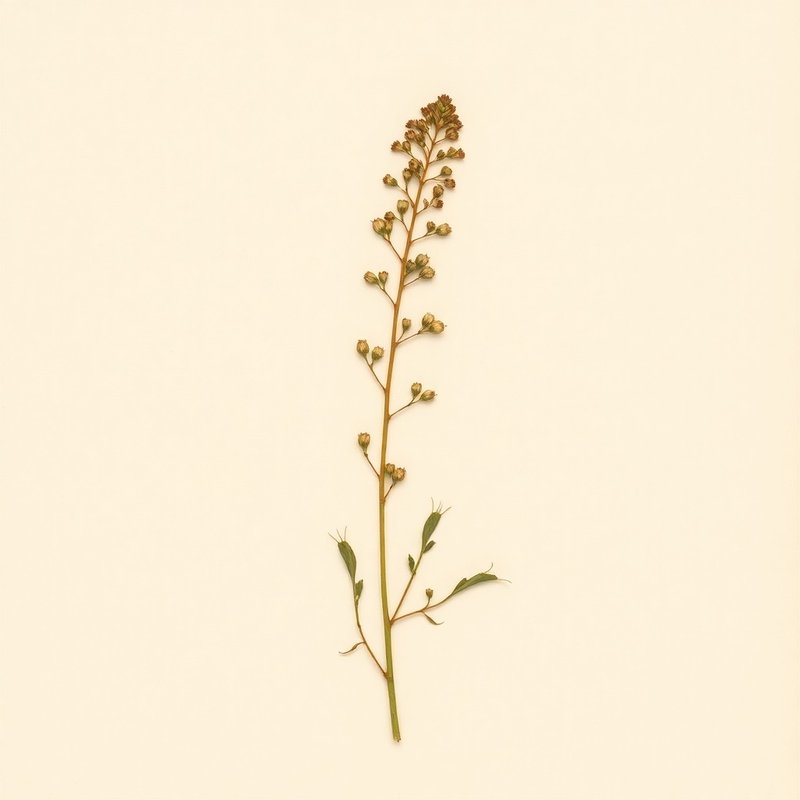
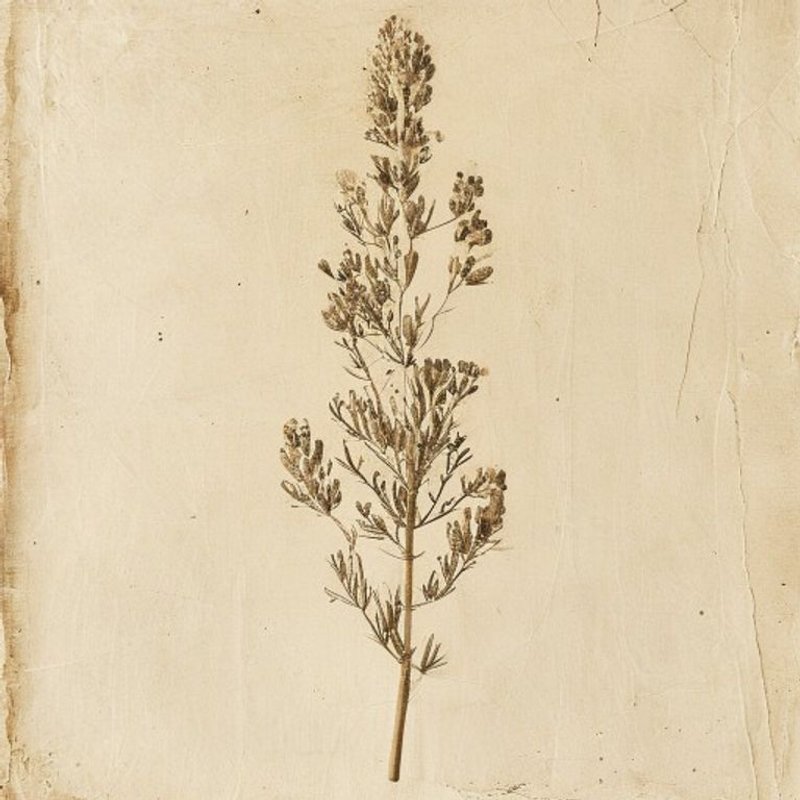
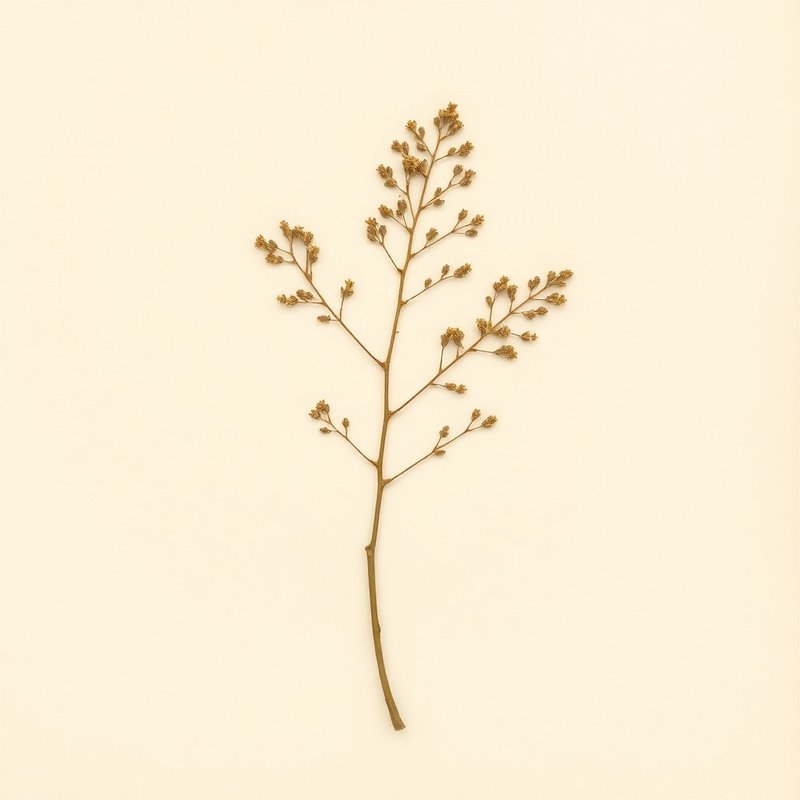
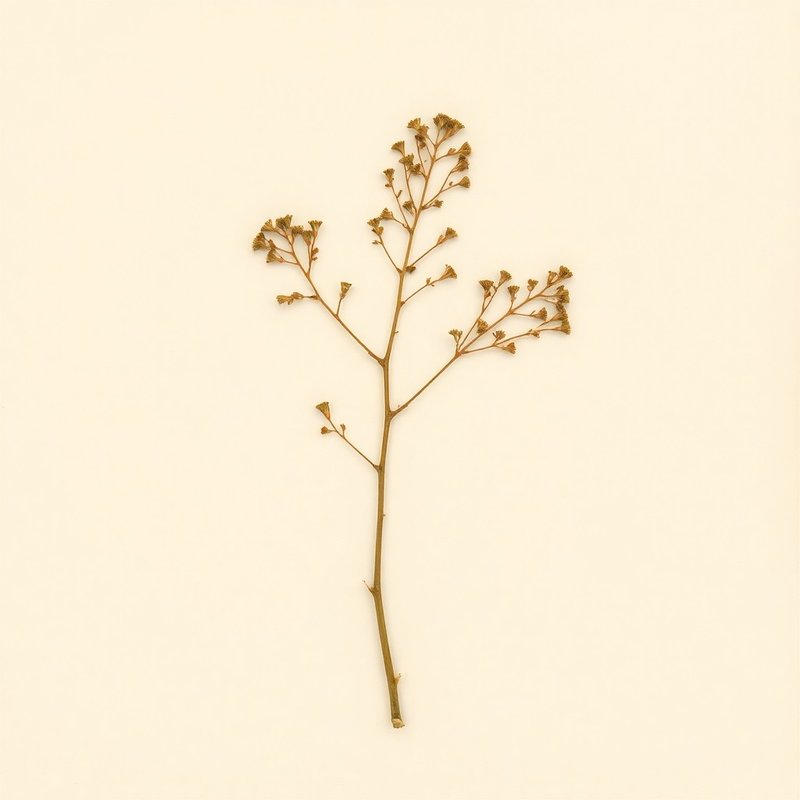
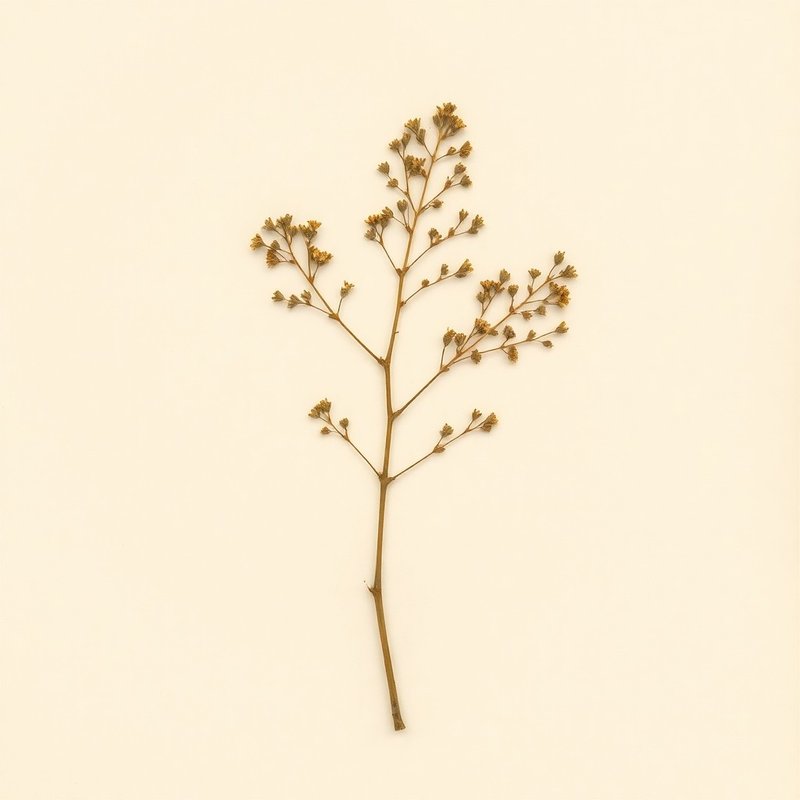
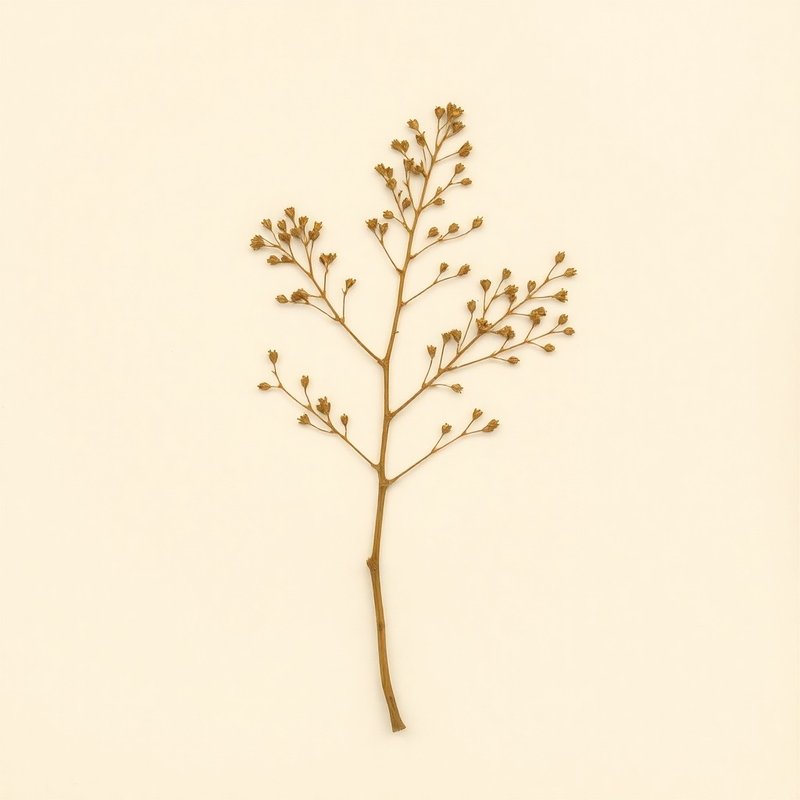
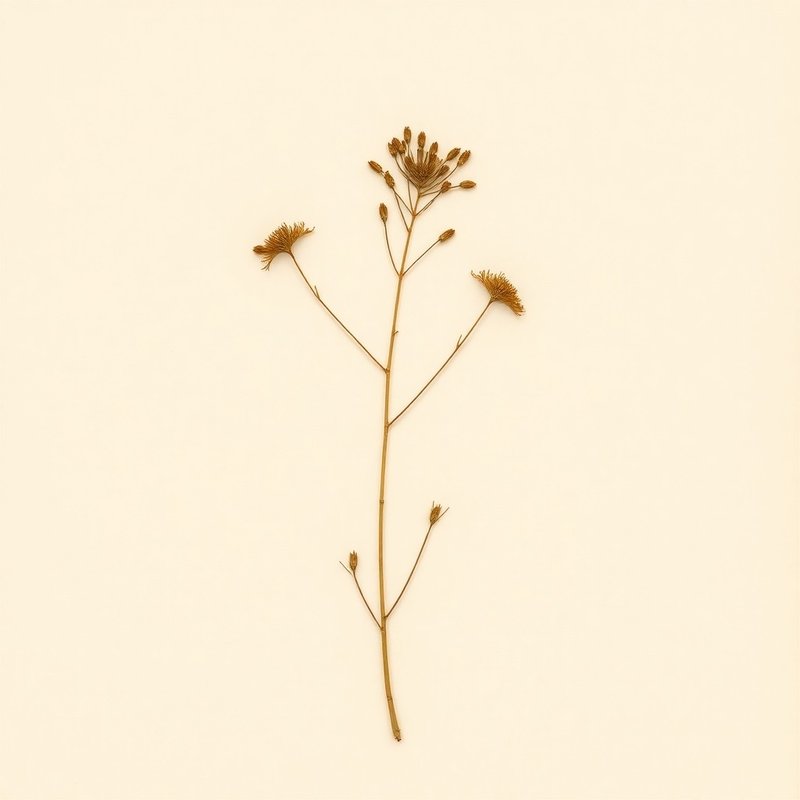
8 relatedPlants you might compare or use together — scored by shared family (Fabaceae), common use cases, and growing requirements.
Explore further
About this entry
- Last updated
- Citation
- How to cite this entry · Submit a correction
Continue reading
Get archive updates
Occasional email when substantial new content lands — plant profiles, seasonal growing notes, folk-remedy additions. Free, no tracking, unsubscribe anytime.